
Identify the fireplace before changing its face
A brick pattern and a metal outlet are clues, not a complete construction record.
- Family owned and operated
- No hidden fees
- 24/7 emergency line
Short answer
Prefab vs masonry chimney identification requires the fireplace, connected chimney and available model records to be considered together. Decorative brick does not prove masonry construction, and a metal chimney does not by itself identify the firebox below. Establish the assembly before refacing, choosing replacement components or covering areas that still need assessment.
Begin the remodel with an identification question
A fireplace remodel often starts with a photograph of the desired room. Before ordering a surround for an Orlando home, establish what is already installed and what the new design would change. A cosmetic brief can become a different project if the opening, hearth or connected system cannot be retained as assumed. Discovering that before finish materials arrive leaves more choices available.
Write separate goals for appearance and operation. Keeping the current fireplace while changing its face differs from replacing the unit or altering its intended use. Share those goals together, but ask the assessment to distinguish them. An old-looking finish does not itself justify appliance replacement, and a new-looking finish does not establish the condition behind it.
Read visible features as clues with limits
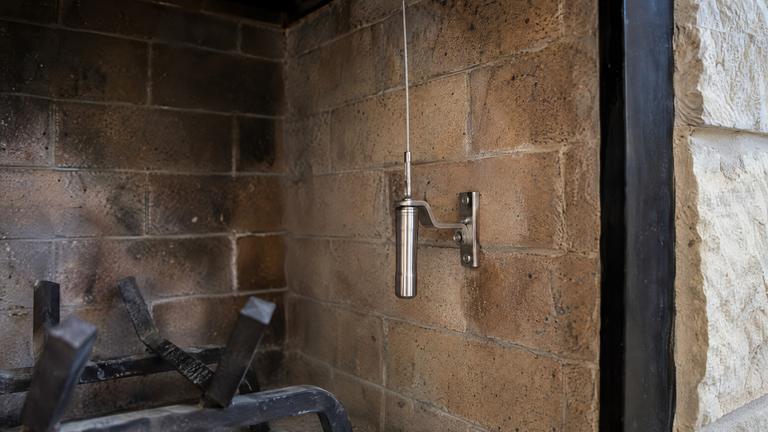
The question of how to tell if a fireplace is prefab should begin with existing records and safely accessible identification. An interior panel, metal frame or visible label can help direct the search. A decorative brick pattern is less conclusive: Heatilator offers brick-pattern interior panels for its factory-built Accelerator fireplace. The pattern alone therefore cannot settle the construction type.
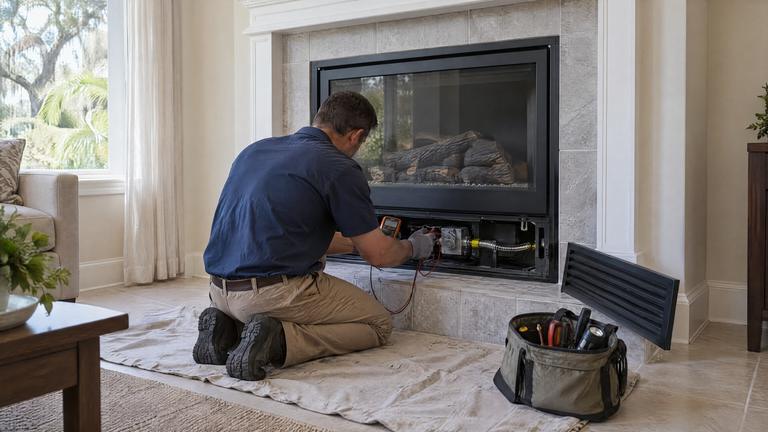
Describe what is visible without removing components to improve the description. Note a previous insert, a replaced front or a covered opening if you know about it. Those alterations can make the room-facing appearance different from the original installation. Where no product record can be found, the assessment should explain what further information or access is needed instead of assigning a model from resemblance.
Identify the chimney separately from the firebox
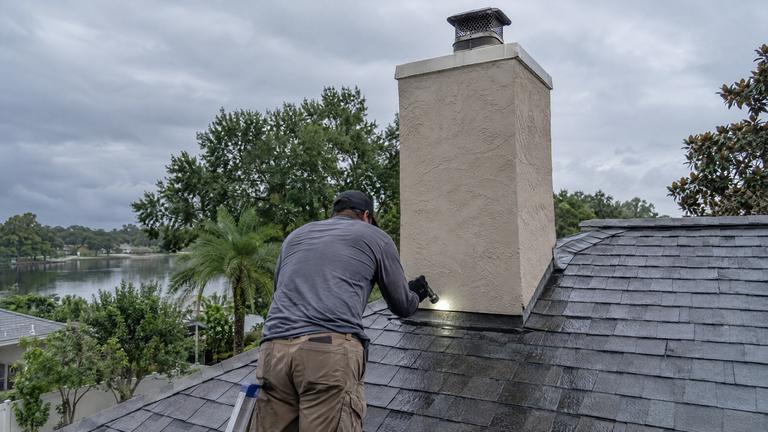
Visible metal at the roof does not establish that the fireplace below is factory-built. DuraVent describes its UL 103 DuraChimney II system for specified applications including masonry fireplaces, and some factory-built fireplaces only where the fireplace manufacturer supports that use. That example shows why the two ends of the assembly must be identified together.
A proposal should name the fireplace and the connected chimney rather than using a single shorthand label for the entire installation. If earlier work changed one component, the current connection needs to be understood. Existing invoices may explain that history, but the installed condition still matters. Ask which parts were actually identified and which remain concealed before relying on a claim that the whole system has been checked.
Understand what product records can establish
The Accelerator installation manual identifies its fireplace system with UL 127 and specified components. The DuraChimney II manual names UL 103 for that chimney product. These references identify particular product requirements; they do not make two systems interchangeable or describe a service company qualification.
Keep a record of the exact model and the document used for the proposed work. If the designer changes a selected unit, have the installation proposal reviewed again. A similar width or finish can hide a different requirement. The comparison should follow the new product rather than carry over assumptions from the first drawing.
- Name the appliance or fireplace being retained.
- Identify the connected chimney or vent system where established.
- Record any proposed component substitution and its supporting product information.
- List concealed conditions that need access before a firm scope is possible.
Treat zero clearance as a product category
A zero clearance vs masonry fireplace comparison should not start from the assumption that nearby materials are unrestricted. A factory-built installation follows the selected product instructions. A masonry assembly has its own construction requirements. The label used in a showroom is less useful than a plan showing which construction and components the project will retain.
For refacing, share the proposed mantel, hearth treatment and surrounding cabinet layout before finalizing them. Ask which choices affect the fireplace arrangement and which are only decorative decisions within the permitted design. The person quoting the finish should know about any unresolved fireplace question. Otherwise, the project can acquire a polished surface while still lacking an agreed plan for the working assembly.
Compare repair boundaries before selecting a finish
In a prefab vs masonry fireplace discussion, the practical difference often appears in the repair proposal. A model-specific interior component and a masonry unit repair are different jobs. Neither should be selected solely because the finished surface will resemble the old one. The recommendation needs a reason tied to the actual fireplace.
Ask whether existing parts remain available and what limits that creates. If replacement is being compared, the quote should identify removal, the new system, connections and affected finishes. A new decorative front is not the same scope as a complete fireplace replacement. Have those alternatives described separately so the cost discussion follows a defined result rather than an ambiguous word such as renovation.
Sequence opening, assessment and closing
An enclosure sometimes needs controlled access before its condition is understood. Agree on that stage before an irreversible finish choice is made. The initial scope can state the question to be answered, the proposed access and how newly found work will be reviewed. It should not imply that every hidden component is sound merely because no damage is visible from the room.
Coordinate the next trade around the result. Whoever closes the wall should know whether the fireplace work is complete, whether another connection still needs access and which records belong with the homeowner. If the project pauses, clarify the unfinished condition and any restriction on use. An appointment on the calendar does not by itself make a partly completed installation ready to operate.
Keep the future service visit in mind
The final room photograph is useful for design, but the service record needs different information. Retain the model identification, selected components, completed scope and any changes made during the project. A later technician should be able to tell what was retained and replaced without relying on memory of what the fireplace looked like before remodeling.
Our Orlando inspection and written estimate are free. Bring your design idea and whatever fireplace records are available before approving refacing or replacement. We can explain the identified assembly, the supported options and any unanswered question that affects the proposal. Repair and installation work receive an upfront scope and price for approval. That conversation gives the design a practical starting point while there is still room to adjust it.
Sources
- Heatilator Accelerator product information: Factory-built product with brick-pattern panel options; appearance alone does not establish masonry construction.
- Accelerator installation manual: Specific fireplace UL 127 reference and approved component/installation requirements; not universal model instructions.
- DuraChimney II installation instructions: UL 103 product, masonry applications and conditional manufacturer-supported factory-built applications; no dimensions or installation procedure repeated.

Proudly American
Family owned and operated. Your project begins with an explanation you can use.
Common questions
Does a brick interior prove the fireplace is masonry?
No. Some factory-built fireplaces use brick-pattern panels, so appearance must be checked against the actual construction and product records.
Does a metal chimney always mean a prefab fireplace?
No. Some specified metal chimney systems can serve masonry fireplaces. The actual fireplace and chimney combination must be identified.
Read before you call
-
-
-


Request your free estimate
Share the job details and arrange a free inspection with our local team.
- Free inspection
- No hidden fees
- Family owned and operated
Rather talk now? Call (352) 675-6376
Your request is received
Thank you. We will contact you to discuss the job and confirm an appointment.