
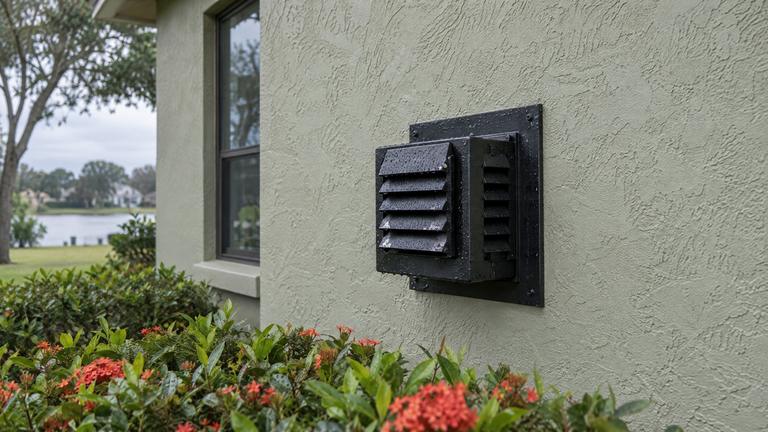
Gas fireplace venting from a family-owned team in Aloma
Our crew checks the termination, the pipe clearances and the pitch, then repairs what the manual says is wrong. No guesswork and no hidden fees.
- Licensed & insured
- Locally run
- Family owned and operated
- Same-day service available



What your gas fireplace venting estimate in Aloma covers
Getting these right in Aloma is what keeps a vent repair from needing a second visit.
- Vent type confirmed as direct vent or B-vent
- Air space between the pipe, framing and insulation
- B-vent height above the roof and above the draft hood
- Listed replacement parts named for your model
Getting the vent right on Aloma gas fireplaces
How our local crew reads a gas fireplace vent at your Aloma home, from the cap back to the firebox.
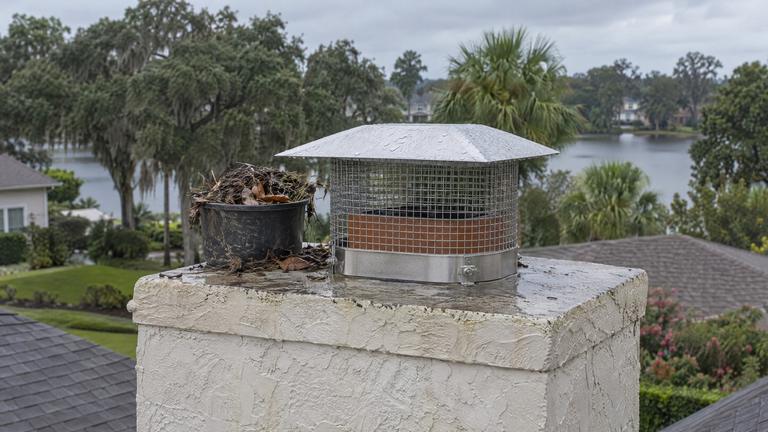
How high a B-vent cap sits above the roof
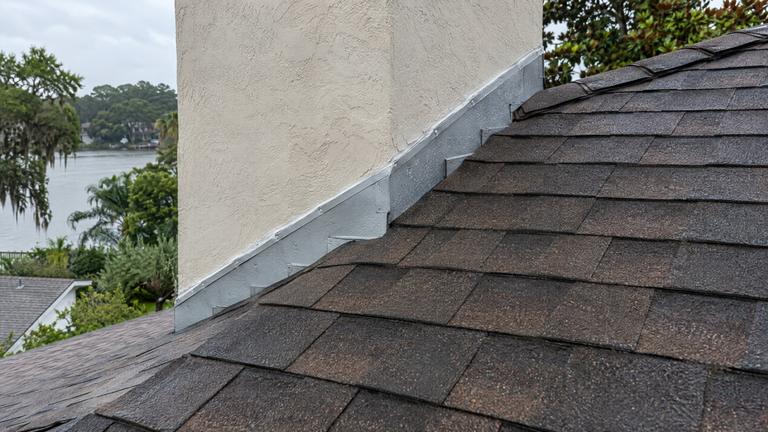
Roof pitch sets the minimum height of a gas vent cap above the roof. One B-vent fireplace manual's table starts at 1 foot for roofs from flat to 7/12 and climbs to 5 feet for pitches over 12/12 up to 14/12.
The Florida fuel gas code has its own pitch table in section 503.6.5, and section 503.6.7 calls for the vent to end with a listed cap or listed roof assembly. Our pros check the cap, its height and the pitch, and they use the larger requirement.
Wind, trees and nearby rooflines
Draft can suffer from what surrounds the cap. One B-vent fireplace manual names buildings, trees and roof lines interfering with the vent, and warns about overhangs, as external causes of poor draft.
For wind, the same manual suggests a cap designed for high winds or a taller vent. Our specialists look at what stands near your cap, including trees that have grown since the house was built, and explain whether raising the vent or changing the cap is the better repair.
Two liners down an old masonry chimney
Some gas inserts vent through an existing masonry chimney using two flexible liners, one bringing fresh air down and one carrying exhaust up. In one maker's co-linear kit, that means a 3 inch intake liner, a 4 inch exhaust liner, an adapter on the appliance and a co-linear termination with flashing at the top.
The same instructions allow the co-linear part of the vent only inside a solid-fuel-burning fireplace and chimney. Our specialists confirm the chimney qualifies before recommending this route in Aloma.
New equipment placed near the vent cap
Air conditioning condensers, pool pumps, generators and sheds often land near a sidewall cap because that wall has open space. One maker keeps utility buildings and other obstructions at least 24 inches from the front of the cap, and its chart sets distances from mechanical air intakes.
Our crew measures what now sits near your cap and checks it against both rules. The estimate says what has to move, and it is often the equipment rather than the vent.
Manufactured homes and gas fireplaces
Not every gas fireplace is listed for a manufactured home. One direct-vent manual allows its unit in an aftermarket, permanently located manufactured home where local codes do not prohibit it, and it names the federal standard such installations must meet.
Our specialists check the model's listing and vent kit before recommending any repair in a manufactured home in Aloma. If the unit is not listed for that use, we say so plainly in the written estimate.
Other work in Aloma
-
-
-
-
-


Before your vent repair in Aloma
Not seeing your question? Our Aloma vent crew will answer it over the phone.
How close can the vent cap be to a window that opens?
It depends on the fireplace's input. Up to 10,000 Btu per hour, the Florida fuel gas code table allows 6 inches, then 9 inches up to 50,000 and 12 inches beyond that. Some manuals ask for more, and we measure against both.
How often should a gas fireplace vent be checked?
One direct-vent manual asks for the fireplace and venting system to be inspected before first use and at least once a year, with the outside cap checked regularly for debris. Our free inspection is a simple way to start.
Request your free estimate
Share the job details and arrange a free inspection with our local team.
- Free inspection
- No hidden fees
- Family owned and operated
Need an answer now? Call (352) 675-6376
Your request is received
Thank you. We will contact you to discuss the job and confirm an appointment.