
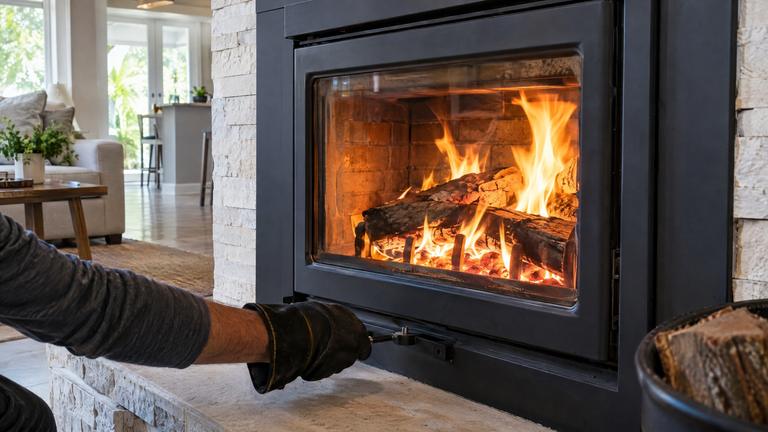
A wood insert installed to its manual in Bay Ridge
Ask about a same-day visit in Bay Ridge. Our crew explains the liner, the surround and the hearth in plain words.
- Licensed & insured
- Locally run
- Family owned and operated
- Same-day service available



The fit, the flue and the hearth, checked in Bay Ridge
An insert fits or it does not. These are the checks that decide it, written down before anything is ordered.
- Chimney height checked against the model's minimum
- Firebox and damper area repairs listed separately
- Hearth depth and width checked, extension if needed
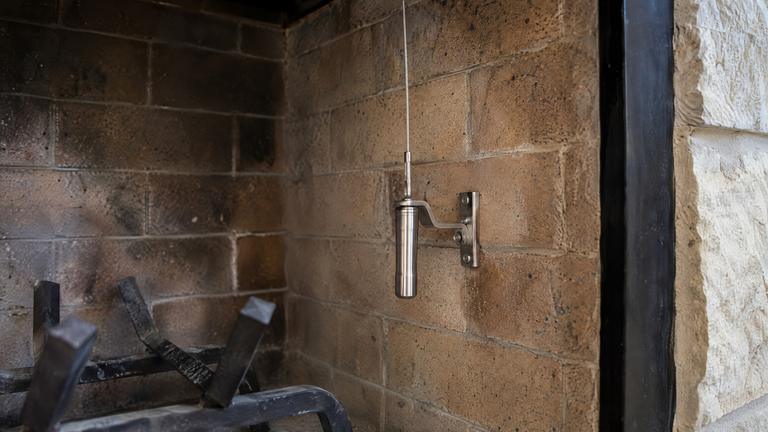
- Metal altered-fireplace tag fastened to the back wall
Wood insert installation, explained by our Bay Ridge team
Three parts of the job our insert specialists walk through with Bay Ridge homeowners.
The first fires and paint curing
A new insert's paint cures during its first fires, and that can produce a smell. The Pacific guide notes that smoke detectors may sound more often during this period, and it tells owners not to disconnect them.
We explain the break-in fires your manual describes and suggest opening windows for fresh air while the paint cures. The odor fades as the curing finishes, and a smoke alarm that sounds during that time should be left connected, with the room ventilated instead.
What never goes into an insert
EPA lists what should never be burned in a wood heater: household trash, cardboard, plastics, foam, colored ink on magazines and packaging, and coated, painted or pressure-treated wood. Insert manuals add that no other fuel than the one listed may be used.
We leave a short list with you at handover and mention it again if we see a box of offcuts beside the hearth. Painted trim, pallets and treated lumber look like firewood, and they are not. Burning them fouls the glass, the baffle and the liner, and it sends pollutants into the neighborhood air.
Yearly inspection with a liner in place
NFPA 211, the national standard for chimneys, fireplaces, vents and solid fuel-burning appliances, puts chimneys and vents on a yearly inspection for soundness, deposits and clearances, with cleaning and repair when that inspection finds them due.
The Travis manual goes further and asks owners to look at the connector and chimney twice a month during use. We note the install date and the liner type in your records so the yearly visit starts with the facts.
The block-off plate in a direct connection
In a direct connection, a steel plate closes the damper area around the connector pipe so exhaust can only travel up through the pipe. The Travis manual describes sealing any cracks between the pipe and the plate with the materials it names, so no smoke finds its way back into the home.
The plate is cut to the shape of your throat and fastened so it stays put. We check the seal before the insert slides back, because once the surround is on, that plate is out of sight and needs to be right from the start.
Other work in Bay Ridge
-
-
-
-
-
-


Learn more about wood-burning fireplace insert installationBay Ridge services
Fireplace insert questions, answered for Bay Ridge
Undecided? These help, and the insert visit in Bay Ridge costs nothing.
How far should furniture stay from the insert?
One insert manual we work from says to keep combustibles 36 inches from the front of the unit. Your model's manual sets its own distance, and we point it out at the walkthrough.
What is the metal tag on the fireplace back wall?
When a fireplace is modified for an insert, one maker requires a metal tag fastened to the back wall. We fit it whenever your model's manual calls for one, and it stays there for anyone who works on the fireplace later.
Request your free estimate
Share the job details and arrange a free inspection with our local team.
- Free inspection
- No hidden fees
- Family owned and operated
Need an answer now? Call (352) 675-6376
Your request is received
Thank you. We will contact you to discuss the job and confirm an appointment.