
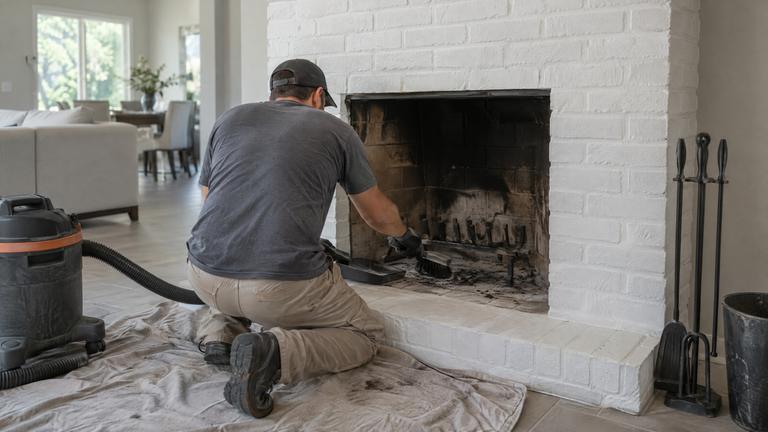
Chimney sweep and fireplace cleaning in Belle Isle
Every sweep in Belle Isle ends with a visual check and a written record you keep.
- Licensed & insured
- Locally run
- Family owned and operated
- Same-day service available



What the sweep price covers for Belle Isle homes
- Glazed creosote treatment quoted as its own line
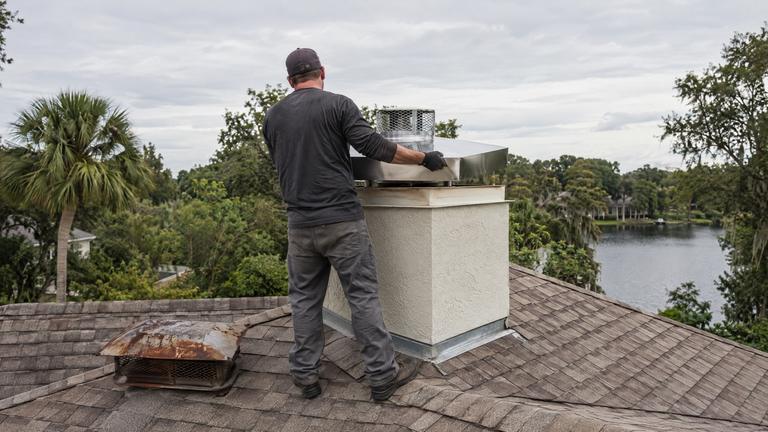
- Metal chimney cap removed and reset per its maker
- Top-sealing damper gasket and cable checked
- Brush chosen for clay tile or stainless liner
Flue cleaning in Belle Isle done with the right tools
Wood stove chimney cleaning, pipe included
Wood stove chimney cleaning covers more than the flue on the roof. A stove connects to its chimney through a connector pipe, and deposits collect inside that pipe, at its joints and where it enters the chimney or the ceiling support.
Depending on the system, our technicians clean the stove chimney from the top or the bottom, then take down or brush out the connector pipe, clear the stove's flue outlet as far as the stove manual allows, and reassemble everything with the joints tight.
EPA and fire officials recommend having the stove, chimney and vents professionally inspected and cleaned each year. For a stove in your Belle Isle home, we write down the condition of the pipe as well as the chimney, because a rusted or split section of connector gets replaced, not cleaned.
Pieces of flue tile in the debris
Most of what comes down a flue during a sweep is soot and creosote. When the debris also holds curved pieces of clay tile or chunks of mortar, the lining above has started to come apart.
The Florida Building Code describes clay flue lining laid in refractory mortar, with tight joints left smooth on the inside. A cracked or shifted tile, or a joint that has lost its mortar, breaks that smooth path, and no amount of brushing puts it back.
Any fragments found are set aside and shown to you, and the lining is looked at as far as it can be seen once it is clean. Flue repair or relining goes on the estimate for your Belle Isle chimney as its own item, and the fireplace should stay unused until that decision is made.
Setting the damper before you light
A damper left partly closed is one of the conditions EPA guidance links to faster creosote buildup, because it restricts the air that moves smoke up the chimney. It can also send smoke out the front of the opening.
Factory-built fireplaces follow their own manuals. One owner's manual for a factory-built model, for example, calls for its damper to be fully open whenever the fireplace is in use. For a masonry fireplace, move the handle to its fully open position and confirm it by looking up with a flashlight before the match is struck.
During the sweep, our crew shows you the open and closed positions of the control if they are not obvious. That small step helps you avoid a smoky start and a flue that coats faster than it should.
NFPA 211 and the yearly look at your chimney
NFPA 211, the national fire safety standard for chimneys, fireplaces and vents, asks for a chimney inspection at least every year, looking at whether the chimney is sound, whether deposits have built up and whether its clearances are right. Cleaning, maintenance and repair follow when the inspection shows they are needed.
In other words, cleaning depends on what is found. A fireplace used every week may need a sweep at each yearly check, while one lit a few times may not. Fire safety advice from NFPA and the U.S. Fire Administration says the same in plain terms, with chimneys cleaned and inspected every year by a qualified professional.
We follow that order. The free inspection comes first, and a sweep is recommended when the deposits call for it. What the inspection found goes into your written record, so each year has something to compare against.
Other work in Belle Isle
-
-
-
-
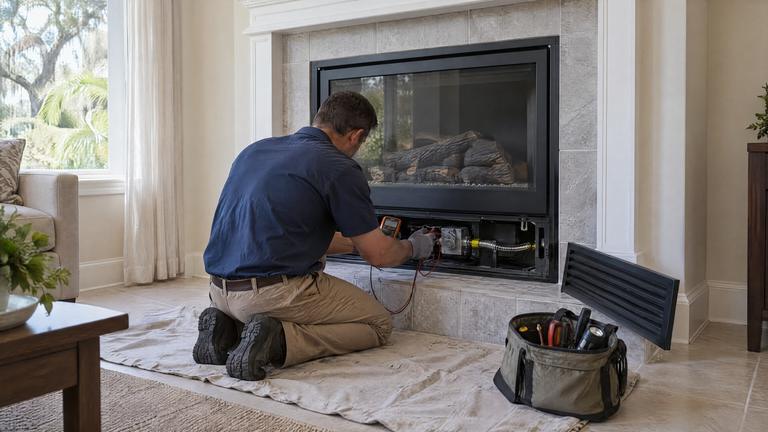
-
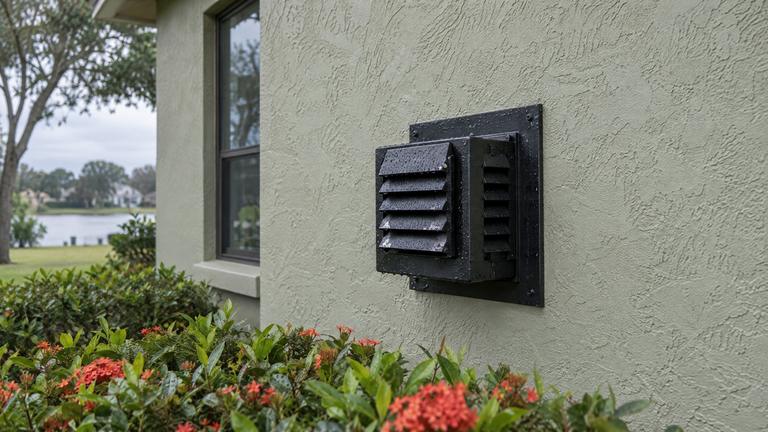
-
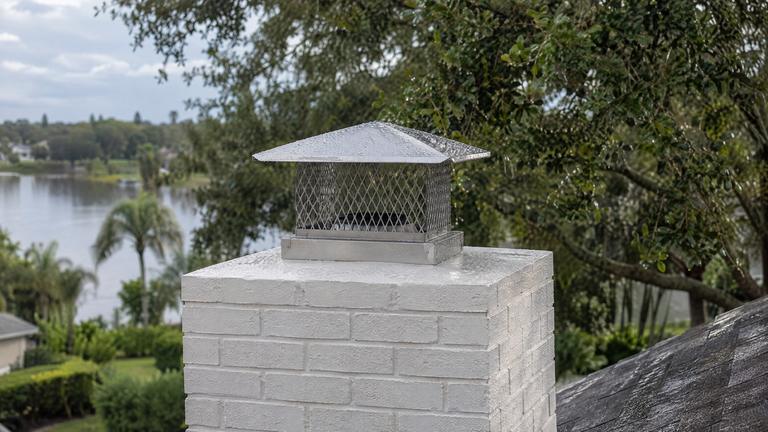


Learn more about chimney sweep and chimney cleaningBelle Isle services
Related chimney sweep work

Chimney sweep questions in Belle Isle
What happens if you find damage during the sweep?
We stop, show you what we found and explain what it means for using the fireplace. Each repair goes on the written estimate as its own line, and nothing is fixed or charged without your approval.
Can I use the fireplace the same day it is swept?
Usually, yes, once our crew has finished and the damper has been tested. The exceptions are a glazed treatment that is still drying and a repair finding that should be settled first, and we tell you about either before we leave.
Request your free estimate
Share the job details and arrange a free inspection with our local team.
- Free inspection
- No hidden fees
- Family owned and operated
Need an answer now? Call (352) 675-6376
Your request is received
Thank you. We will contact you to discuss the job and confirm an appointment.