
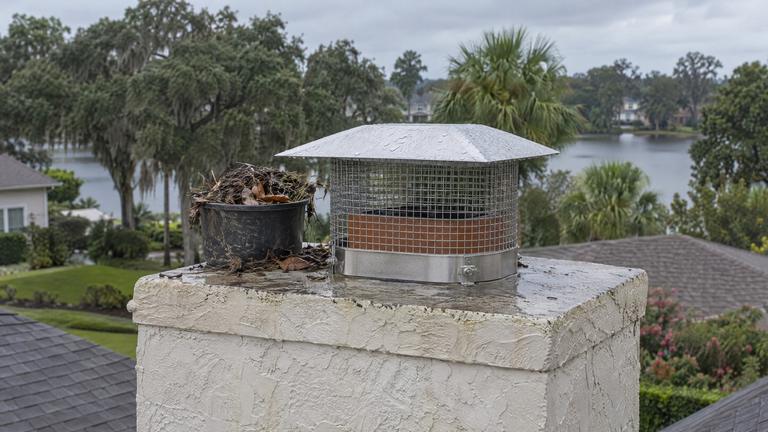
Animal removal from chimneys in College Park
Nest removal, flue cleanup and a sturdy screened cap for College Park chimneys, priced in writing with no hidden fees.
- Licensed & insured
- Locally run
- Family owned and operated
- Same-day service available



What your College Park chimney animal estimate covers
- Assessment of the animal and any nesting
- Flue inspected top to bottom
- Chimney sweep after nesting
- Room protected during cleanup
What goes into chimney animal removal in College Park
Enough open area for the flue to work
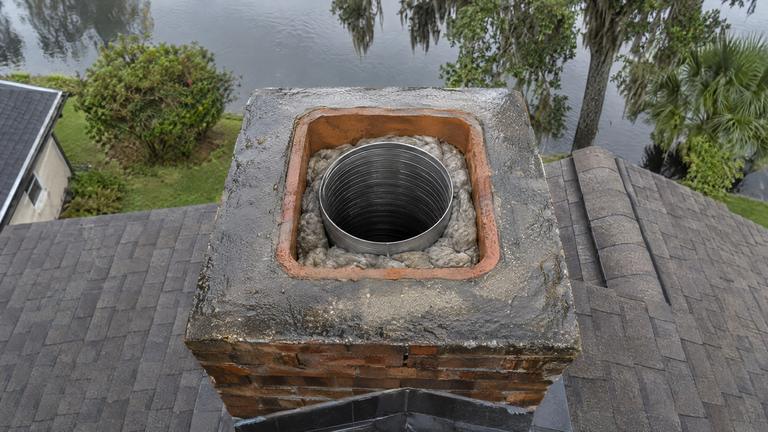
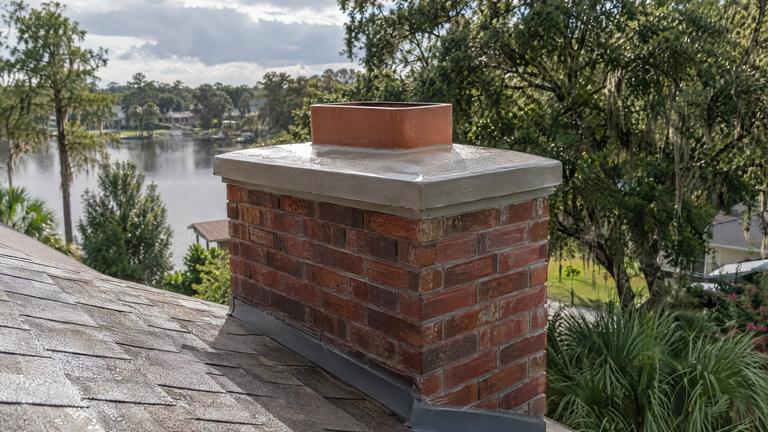
A screened cap must still let the chimney breathe. The same code section sizes the screen's open area, its net free area, at four times or more that of the flue outlet below it, and it calls for screen material with heat and corrosion resistance equal to set gauges of galvanized or stainless steel. A cap that is too small or too fine chokes the flue. We size each cap to the flue it covers. A screen that meets the area rule still needs cleaning, since soot can close it down over time.
Caps for chimneys with several flues
Some masonry chimneys carry two or more flues, and every one needs covering. Separate caps work when the flues stand apart. Where they sit close together, a single cap that spans them all and rests on the crown may fit better. Either way, each flue needs a screen with the right openings and enough open area. We measure every flue before recommending a style. A spanning cap also covers the crown between flues, which keeps rain off that surface.
Fireplace doors as a barrier
Glass fireplace doors add a second barrier in front of the damper. If your fireplace has them, keep them closed and latched until the chimney is clear. If it has only a mesh curtain, a closed damper is the main barrier, and cardboard taped over the opening can add a temporary one. Remove any temporary covering before the fireplace is used again. Never block the damper opening in a way that keeps you from checking on what is behind it.
Birds other than chimney swifts
Chimney swifts are not the only birds the Migratory Bird Treaty Act covers. The Act protects listed migratory birds, their nests and their eggs. When a nest in the flue or the cap belongs to a bird we cannot identify with confidence, we treat it as protected and plan the removal and the cap for when the nest is no longer active. That can mean a short wait, and the fireplace stays off while we wait.
Other work in College Park
-
-
-
-
-
-


Learn more about chimney animal removalCollege Park services
What College Park owners ask about animals in chimneys
Something has moved into our College Park chimney. What do you do about it?
We assess what is in your College Park chimney, explain the rules that apply to that animal and coordinate a wildlife specialist when one is needed. Once the chimney is empty, we clean it and close the opening with a screened cap.
Why do you check the smoke shelf?
Nest material and droppings often land on the smoke shelf behind the damper, out of sight from the room. We clear it during the cleanup, so debris does not stay in the smoke path.
Request your free estimate
Share the job details and arrange a free inspection with our local team.
- Free inspection
- No hidden fees
- Family owned and operated
Need an answer now? Call (352) 675-6376
Your request is received
Thank you. We will contact you to discuss the job and confirm an appointment.