
Chimney sweep for fireplaces and wood stoves in Colonialtown North
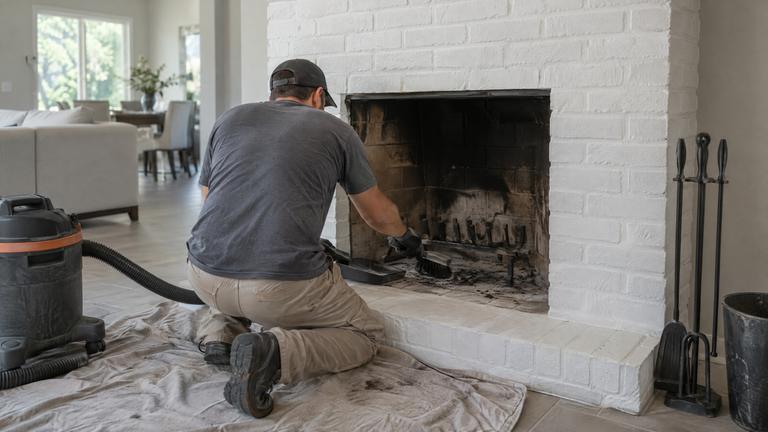
Get the chimney swept before the next fire, with drop cloths down and the soot bagged and carried out.
- Licensed & insured
- Locally run
- Family owned and operated
- Same-day service available



Your chimney cleaning, itemized
- Damper tested open and closed from the room
- Cap screen brushed free of soot
- Written record of deposits and areas cleaned
- Metal chimney cap removed and reset per its maker
Chimney cleaning explained for Colonialtown North homeowners
Which flue gets swept in a multi-flue chimney
Some chimneys carry more than one flue inside a single stack. From the roof you may see two or three openings side by side. Each serves a different fireplace or appliance, and each holds its own deposits.
Before cleaning, our technicians match every flue to what it serves, by checking the draft from each opening or tracing each one from the top, so the flue brushed is the one connected to the fireplace you use.
The written estimate names each flue by what it serves, such as the living room fireplace or a stove in the family room, so you know which ones are included. A flue that serves nothing, or one you stopped using, is noted too, since it may still need a cap. With several openings on the roof, no Colonialtown North homeowner pays for a flue that was never touched.
Chimney odor removal starts at the source
A smoky, tar-like smell from a fireplace that has not been lit in days usually traces back to deposits in the flue, the smoke chamber and the smoke shelf. Air moving down an idle chimney carries that smell into the room.
Chimney odor removal starts with taking the source out. Brushing the flue, clearing the smoke shelf and emptying old ash removes the material that carries the smell. Air fresheners and sprays only cover it for a while. A damper that closes fully between fires also keeps the smell from drifting down into the room.
If the smell is musty or animal-like instead of smoky, the cause is different, and our crew says so. A dead animal, a nest or water getting into the flue needs its own fix, and cleaning alone will not end that smell in your Colonialtown North home.
Wax and sawdust logs in stoves and inserts
Wax and sawdust logs are an easy way to get a fire going, but EPA guidance adds a caution. Many of them are made for open-hearth fireplaces only, and a wood stove or fireplace insert owner should check the appliance's operating instructions before burning one.
Where manufactured logs are used, the same guidance suggests choosing ones made entirely of compressed sawdust, and the directions on the wrapper still apply. Stoves and inserts are built around a certain fuel, and the maker's instructions decide what is safe to burn in them.
If you are unsure, our crew can check your stove or insert manual during the visit, and the written record can note what the maker allows. If the manual is lost, the model number on the appliance label is usually enough to find a copy.
An ash dump that has not been emptied
Some masonry fireplaces have a small metal door in the firebox floor that drops ash into a chamber below, with its own cleanout door lower down or outside. Ash dropped there is out of sight, and it can build up for years.
A full ash pit can back up into the firebox, hold moisture and give off a stale smell. The door in the firebox floor can also rust shut or warp so it no longer closes.
During a sweep our crew opens the ash dump, checks how full the pit is and empties it through the lower cleanout when it can be reached. A warped or rusted door is noted for repair on the estimate, and ash from the pit goes out in a metal container like any other ash.
Other work in Colonialtown North
-
-
-
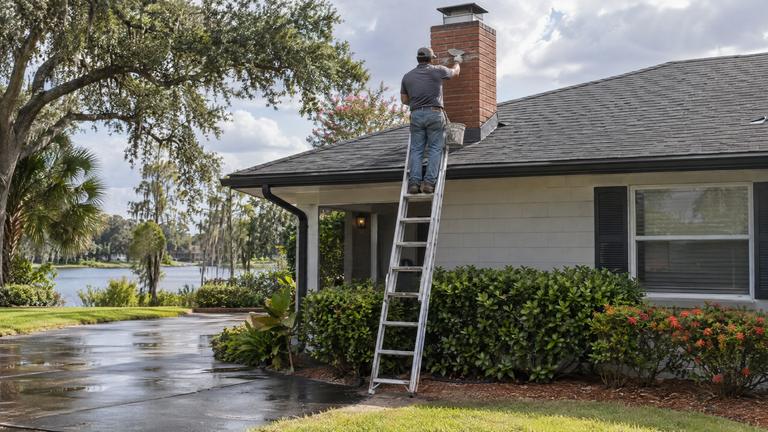


- Stone Chimney RepairKeep stone repairs suited to the existing masonry.
- Ventless Gas Fireplace ServiceService the unit within its exact installation limits.
- Fireplace RestorationBring an unused fireplace back with a coordinated plan.
Learn more about chimney sweep and chimney cleaningColonialtown North services
Related chimney sweep work

What homeowners ask before a sweep
What if the flue has a hard, shiny coating the brushes cannot remove?
That is glazed creosote, and it calls for a separate removal treatment applied per the product label. We quote it as its own line, and the treated material is swept out on a second visit once it dries.
Can you sweep a chimney that has birds or animals in it?
Not while they are inside. Chimney swifts are federally protected, so the sweep waits until they leave, and bats or other animals are handled by our animal removal service before any cleaning. Once the flue is clear, we sweep it and quote a cap to keep them out.
Request your free estimate
Share the job details and arrange a free inspection with our local team.
- Free inspection
- No hidden fees
- Family owned and operated
Need an answer now? Call (352) 675-6376
Your request is received
Thank you. We will contact you to discuss the job and confirm an appointment.