
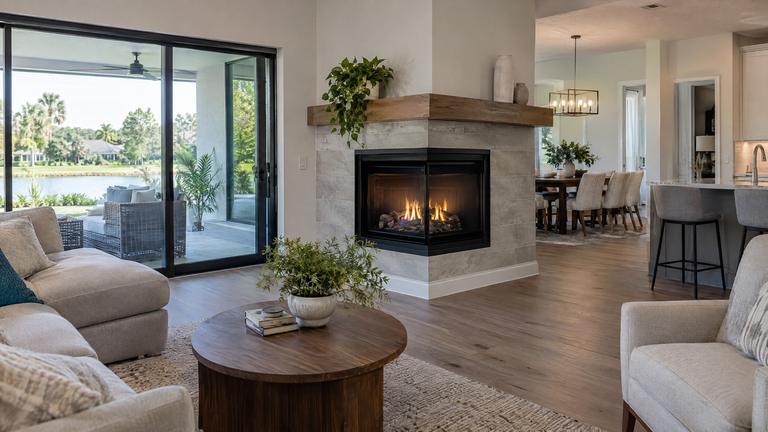
Gas fireplace venting by local pros in Colonialtown North
We check the cap, the joints and every clearance against your fireplace manual before recommending a single part. The inspection is free for homes in Colonialtown North.
- Licensed & insured
- Locally run
- Family owned and operated
- Same-day service available



The written venting scope for your Colonialtown North home
These checks decide whether a vent run is right for your fireplace, and our Colonialtown North crew writes each result down before any work.
- Clearance above the ground, decks and porches
- Air space between the pipe, framing and insulation
- Elbow count and total turns in the run
- Run length compared with the maker's vent graph
Vent know-how from our Colonialtown North crew
The points below shape the vent repair we recommend in Colonialtown North, and each one lands in your estimate.
Horizontal runs with the wrong pitch
Horizontal vent pipe is not simply run flat. One direct-vent manual's troubleshooting table lists an improperly pitched horizontal run as a reason flames die out, and it tells the installer to check for an upward rise of 1/4 inch per foot and never run the pipe level or downhill.
The same manual gives different rules for different pipe types and layouts, so our crew checks which rule applies to your run before measuring. The finding goes in your estimate with the section of pipe it concerns.
Height and offset limits for co-linear liners
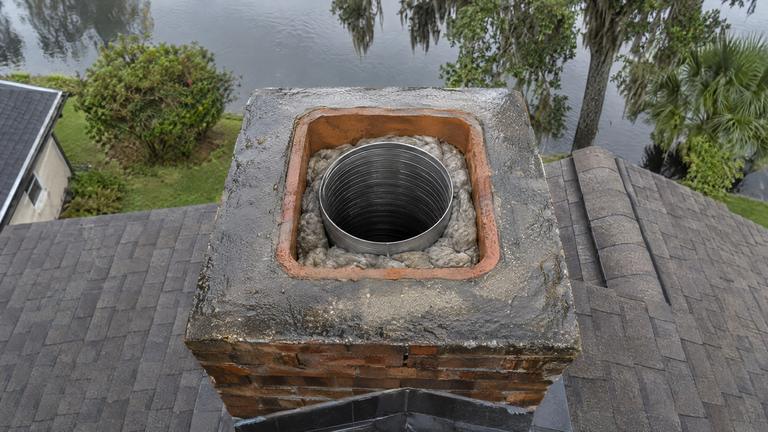
Liners in a chimney still follow vent rules. One maker's co-linear instructions call for no less than 10 feet and no more than 40 feet of vertical pipe, and allow offsets of up to 8 feet with the liners held at least 45 degrees from horizontal.
The same instructions say no restrictor is needed with co-linear venting, which differs from the rules for its coaxial pipe. Our crew measures the chimney height and any bends in the flue before quoting, since a chimney that falls outside those numbers needs a different plan.
Soot on the glass is not always the vent
When glass turns black, owners often suspect the vent first. Troubleshooting tables in two maker's manuals start somewhere else, with flames touching the logs, and tell the installer to place the log set as the instructions show and to inspect the injector and air intake area for debris.
Our pros follow the same order. They check the log layout against the diagram before opening the vent run, and they only quote vent work when the logs and air intake check out.
Water inside the firebox after rain
Water in a gas fireplace usually came in from outside through the vent. The cap, the storm collar on a roof vent, the flashing and loose joints are the places our pros look first.
Wet controls need attention of their own. Manuals say a fireplace with any part that has been under water must not be used until a qualified technician inspects it and replaces the affected control parts. We check for that before we trace the leak.
Furniture and curtains in front of a gas fireplace
Placement matters as much as the vent. One direct-vent manual rules out any spot where curtains, furniture, clothes or other things that burn would sit closer than 42 inches to the front, top or sides, along with busy walkways and windy or drafty corners.
Rooms get rearranged after installation. Our crew points out anything that has crept inside that 42 inch zone during a vent visit, since a sound vent does not help if a sofa is pressed against the glass.
Other work in Colonialtown North
-
-
-
-
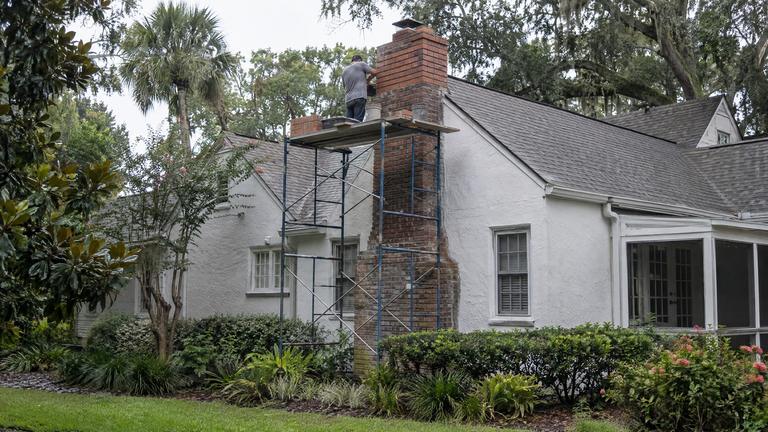
-
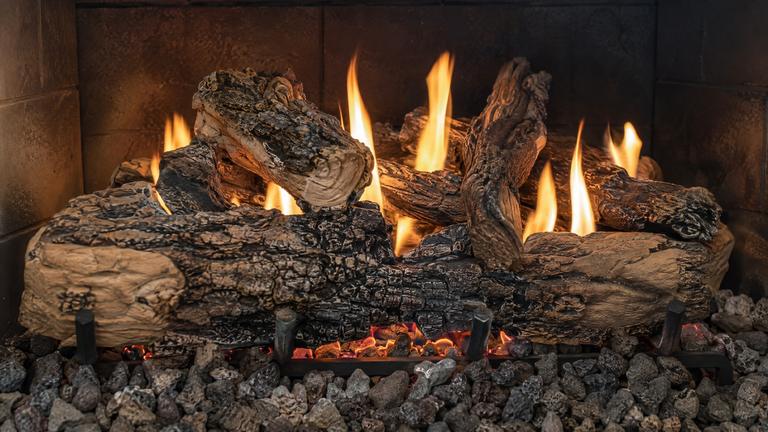


Learn more about gas fireplace ventingColonialtown North services
Asked in Colonialtown North about gas fireplace venting
Quick answers from our gas fireplace vent team in Colonialtown North. Anything else, just call.
Can you move the vent cap when we remodel?
Often, yes, but it is treated as a new installation of the vent. The new route has to fit the vent graph, the elbow limits and the termination clearances. Wall, roof and finish work are listed separately on the estimate.
Can I use the fireplace while I wait for a vent repair?
We recommend keeping it off while a vent fault is unresolved. A sealed fireplace depends on its vent to bring air in and take exhaust out, so running it with a known fault is not worth the risk.
Request your free estimate
Share the job details and arrange a free inspection with our local team.
- Free inspection
- No hidden fees
- Family owned and operated
Need an answer now? Call (352) 675-6376
Your request is received
Thank you. We will contact you to discuss the job and confirm an appointment.