
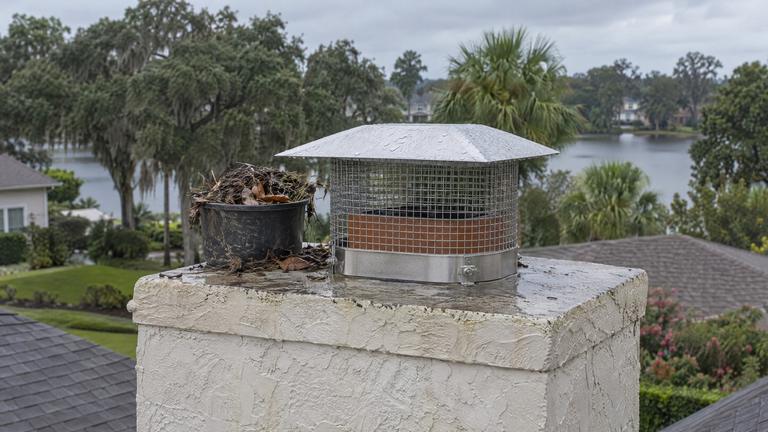
Family-owned chimney animal removal in Delaney Park
Scratching, chirping or fluttering in your Delaney Park chimney? Our family-owned team assesses it and plans the lawful next step.
- Licensed & insured
- Locally run
- Family owned and operated
- Same-day service available



The parts of an animal removal job in Delaney Park
- Assessment of the animal and any nesting
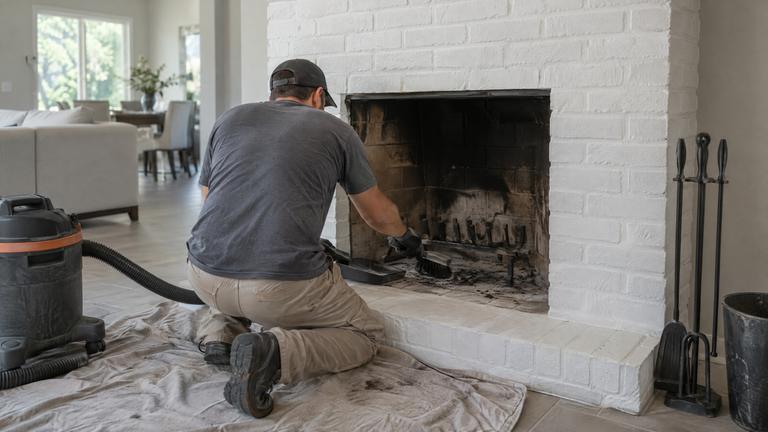
- Nest material removed from the flue
- Flue inspected top to bottom
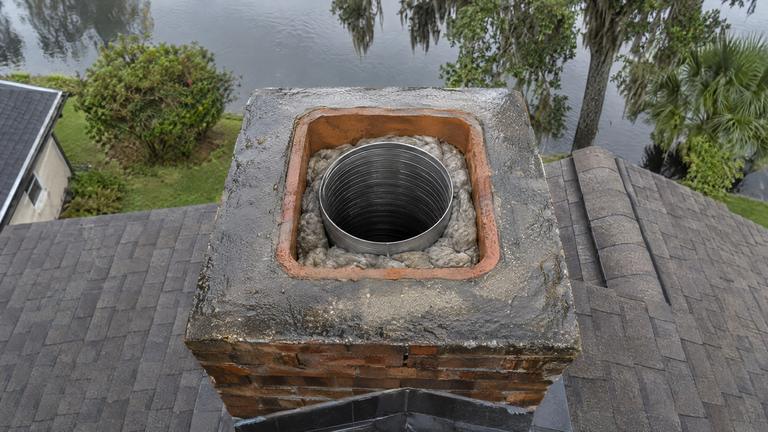
- Screened cap sized to the code range
Our approach to chimney wildlife in Delaney Park
Listening for what is in the chimney
The sound tells us a lot before anyone climbs a ladder. Write down what you hear and when, and share it when you call. Timing, sound and anything that has fallen into the firebox usually narrow the list down.
- Scratching or thumping, often at night, can point to a climbing animal
- Chirping that rises when adults return can mean nestlings
- Fluttering near the damper suggests a bird or bat in the smoke chamber
- Light scurrying in daylight can point to squirrels
Screen sizes the residential code sets
The Florida residential code, in section R1003.9.2, sets the size of spark arrestor screen openings on masonry chimneys. The openings must not pass a sphere larger than half an inch and must not block a sphere smaller than three-eighths of an inch. That range keeps out birds, bats and squirrels while letting smoke through. Caps we install on masonry flues follow it. A screen with larger openings may look sturdier and still let bats and small birds slip through.
A written record of the chimney work
After the job, you receive a written record of what we found, what was removed, which cap and screen were installed and any repairs made. Keep it with your home paperwork. It answers questions if you sell, and it shows the next person who inspects the chimney what was done. If a protected species was involved, the record notes when the cap was installed. That date helps show the work followed the timing the wildlife rules set. Keep it with the fireplace manual so both are easy to find when the chimney is next inspected.
A family-owned team that explains the rules
Orlando Chimney Service is family owned and locally owned. Wildlife rules can be confusing, and we take the time to explain which ones apply to the animal in your chimney and why some steps wait. You get the plan in writing, along with the reasons behind it, from the same local business that does the cleanup and fits the cap. Our chimney animal pros would rather explain a rule twice than leave you guessing. When a step has to wait on the calendar, we also remind you when it is time to schedule it.
Other work in Delaney Park
-
-
-
-
-


Learn more about chimney animal removalDelaney Park services
Asked in Delaney Park about chimney animal removal
Are chimney swifts protected?
Yes. The Migratory Bird Treaty Act protects chimney swifts, and an active nest of theirs cannot be taken out. The chimney is cleaned and capped after the birds have left for the season.
What kind of cap keeps animals out?
A cap with a sturdy screen whose openings fall inside the residential code range, fitted tightly to the flue or crown. Factory-built chimneys take the cap listed for their model.
Request your free estimate
Share the job details and arrange a free inspection with our local team.
- Free inspection
- No hidden fees
- Family owned and operated
Need an answer now? Call (352) 675-6376
Your request is received
Thank you. We will contact you to discuss the job and confirm an appointment.