
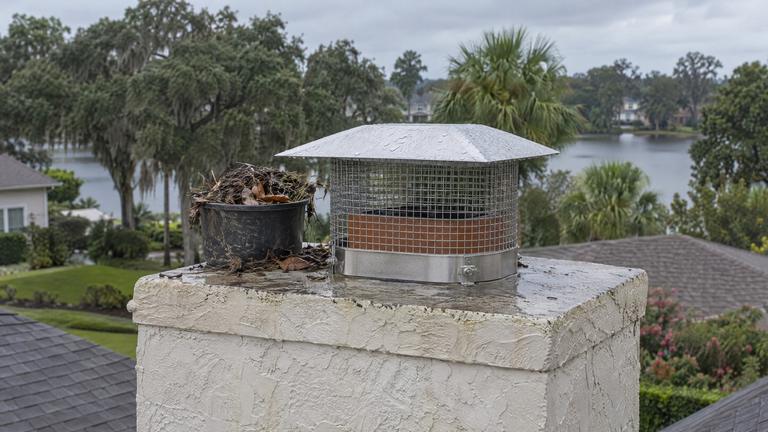
Animal removal from chimneys in Dr. Phillips
Heard something in the chimney? Tell our Dr. Phillips team what you heard and when, and we take it from there.
- Licensed & insured
- Locally run
- Family owned and operated
- Same-day service available



What your Dr. Phillips chimney animal estimate covers
- Chimney sweep after nesting
- Workmanship warranty on the cap
- Free inspection and written estimate
- Repairs priced as separate items
What goes into chimney animal removal in Dr. Phillips
A cap that seats with no gaps
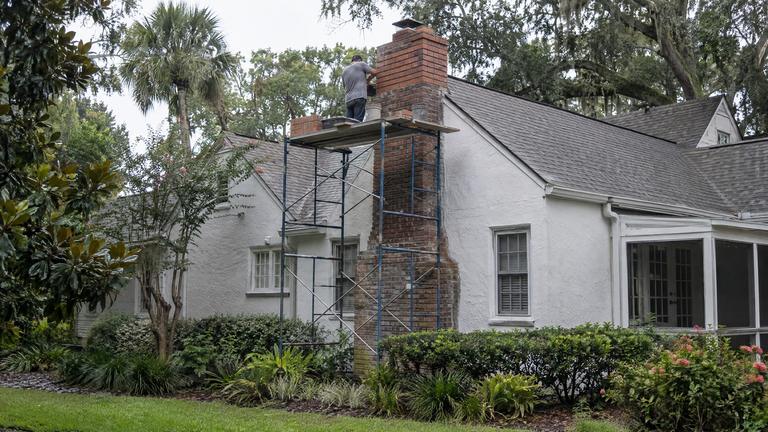
A cap that is too small for the flue or has worked loose leaves space at its base where a determined animal can squeeze through. Flue-mounted caps must match the outside of the flue tile, and crown-mounted caps must sit flat on the crown. We measure before ordering and fasten the cap so it stays seated, then check the base all the way around once it is on. On a crown that is uneven or cracked, the cap may need a repaired surface before it can sit tight.
Why we do not promise a removal date
It would be easy to promise the animal will be gone tomorrow. For protected birds, bats in maternity season or a mother with young, that promise could break the law or leave young animals to die in the flue. We tell you what can happen now, such as sealing the damper, cleaning the firebox and planning the cap, and what has to wait for the animal to leave or for the rules to allow it. If the timing changes, for example because the animals leave sooner than expected, we move the next steps up.
Animal noises at a rental property
Tenants often notice chimney noises first. Ask them to keep the fireplace off and the damper closed, and to note when they hear the sounds. We coordinate access with them, report our findings to you and send the estimate for approval. Once the work is done, the written record tells you what was found and what was installed. If the tenant hears sounds again, the record also tells the next visitor what to check first. Letting tenants know the timing rules up front also helps when some of the work has to wait.
Silence does not mean the chimney is clear
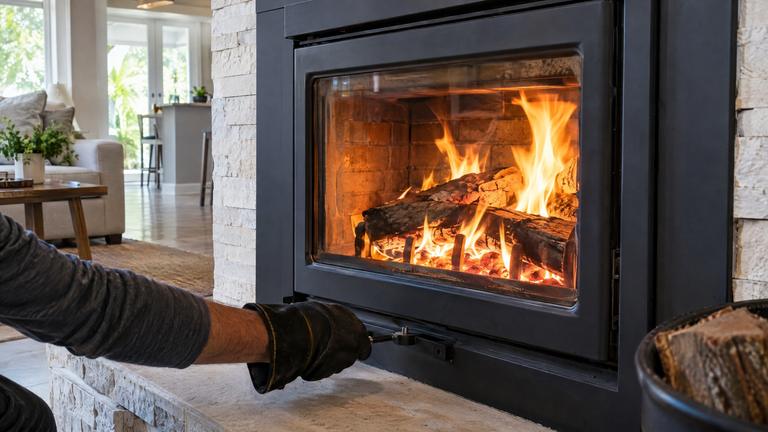
When the noise stops, it is tempting to assume the animal has gone. It may have left, it may be sleeping, or it may have died in the flue. Even an empty chimney still holds the nest. We check before a cap goes on or a fire is lit, because closing the top on a living animal or lighting a fire under a nest both create new problems. A short look at the chimney top and the flue answers the question for certain, and the inspection is free.
Other work in Dr. Phillips
-
-
-
-
-


Learn more about chimney animal removalDr. Phillips services
What Dr. Phillips owners ask about animals in chimneys
Why can't you cap the chimney right away?
Closing the top with an animal inside traps it, and some species are protected while nesting. We confirm the chimney is empty, or wait until the rules allow exclusion, before a cap goes on.
What if an animal is already inside my Dr. Phillips home?
Close interior doors to confine it, keep people and pets away and open an exterior door in that room if it is safe. A local wildlife service can help with the house, and we handle the chimney once the room is clear.
Request your free estimate
Share the job details and arrange a free inspection with our local team.
- Free inspection
- No hidden fees
- Family owned and operated
Need an answer now? Call (352) 675-6376
Your request is received
Thank you. We will contact you to discuss the job and confirm an appointment.