
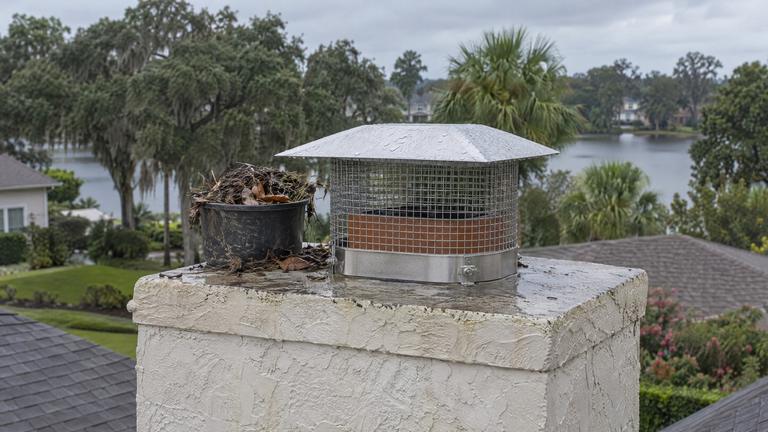
Animal removal from chimneys in Eagles Nest
Nest removal, flue cleanup and a sturdy screened cap for Eagles Nest chimneys, priced in writing with no hidden fees.
- Licensed & insured
- Locally run
- Family owned and operated
- Same-day service available



What your Eagles Nest chimney animal estimate covers
- Rules that apply to that animal, explained
- Flue inspected top to bottom
- Chimney sweep after nesting
- 10% off any service booked within 72 hours
What goes into chimney animal removal in Eagles Nest
Clearing the odor after removal
Odor can outlast the animal because nest material, droppings and fluids soak into debris on the smoke shelf and firebox floor. Taking the animal out is only part of the job. We remove the soiled material, clean the surfaces we can reach and check the flue for anything left above. If odor remains after cleanup, we look again rather than covering it with a fragrance. Warm weather can make a lingering odor stronger, so tell us if it returns after a few days.
A blocked flue and carbon monoxide
A flue partly blocked by nest material may not carry combustion gases out of the house the way it should. A working carbon monoxide alarm near sleeping areas is a sensible precaution in any home with a fuel-burning appliance. If a carbon monoxide alarm sounds, get everyone outside and call 911 first. Chimney questions come after everyone is safe. Leave the fireplace unused until the flue has been cleared and checked from top to bottom. Test the alarm with its button after the chimney work, and replace its batteries as its maker directs.
A written record of the chimney work
After the job, you receive a written record of what we found, what was removed, which cap and screen were installed and any repairs made. Keep it with your home paperwork. It answers questions if you sell, and it shows the next person who inspects the chimney what was done. If a protected species was involved, the record notes when the cap was installed. That date helps show the work followed the timing the wildlife rules set. Keep it with the fireplace manual so both are easy to find when the chimney is next inspected.
Cleaning the firebox after an animal
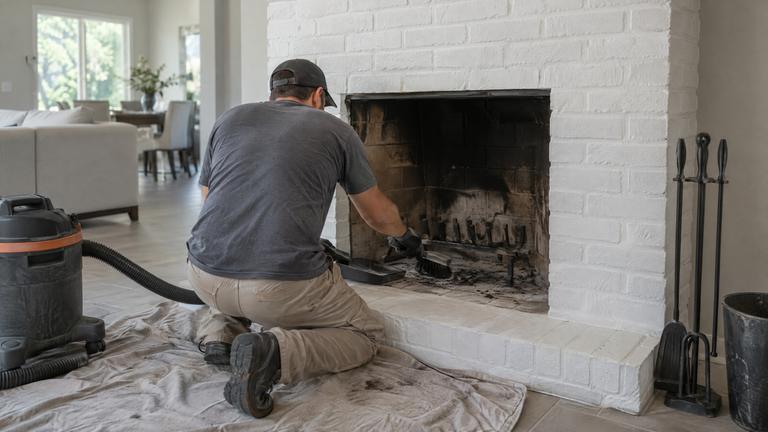
The firebox is where much of the mess ends up, from nest material and droppings to feathers and fur. We bag that material before it leaves the house, clean the firebox floor and walls we can reach, and protect the hearth and room around the fireplace while we work. If the firebox needs repair once it is clean, that is described separately. Clean firebrick also lets us see cracks or gaps that debris was hiding. Ash left in the firebox is removed with the rest, since it often mixes with nest material and droppings.
Other work in Eagles Nest
-
-
-
-
-
-


Chimney wildlife answers for Eagles Nest homeowners
Should I keep the glass doors closed?
If the fireplace has glass doors, keeping them shut adds a barrier between the flue and the room. Keep the damper closed too, and do not light a fire while an animal may still be inside.
Do you need access to the roof?
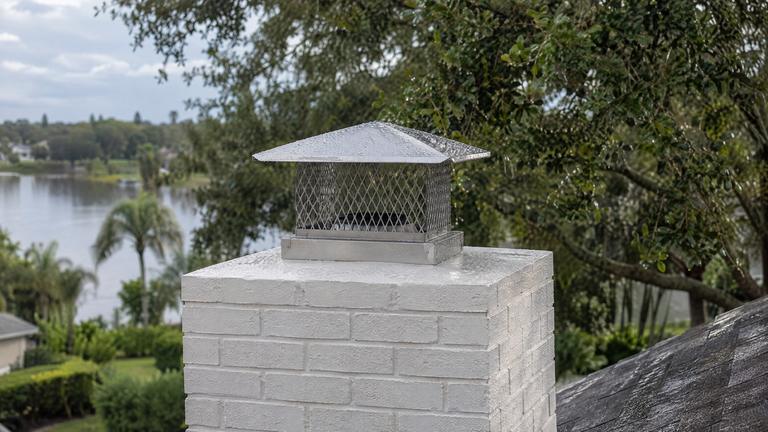
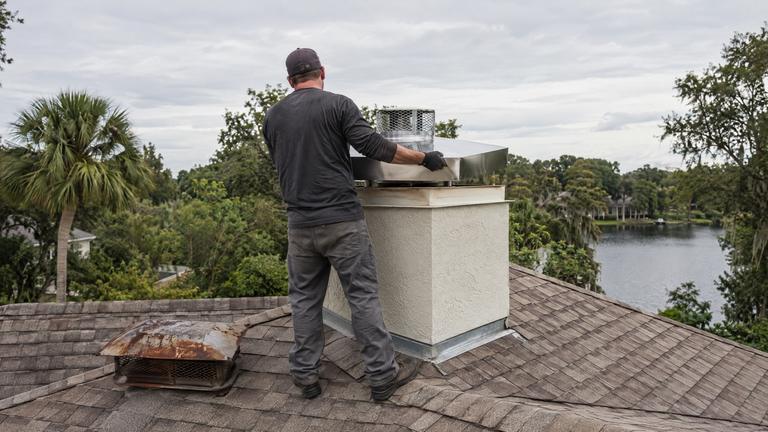
Usually. Most of the assessment and all of the cap work happen at the chimney top, so we need safe roof access. We also look from the firebox and tell you if any part has to wait for a second visit.
Request your free estimate
Share the job details and arrange a free inspection with our local team.
- Free inspection
- No hidden fees
- Family owned and operated
Need an answer now? Call (352) 675-6376
Your request is received
Thank you. We will contact you to discuss the job and confirm an appointment.