
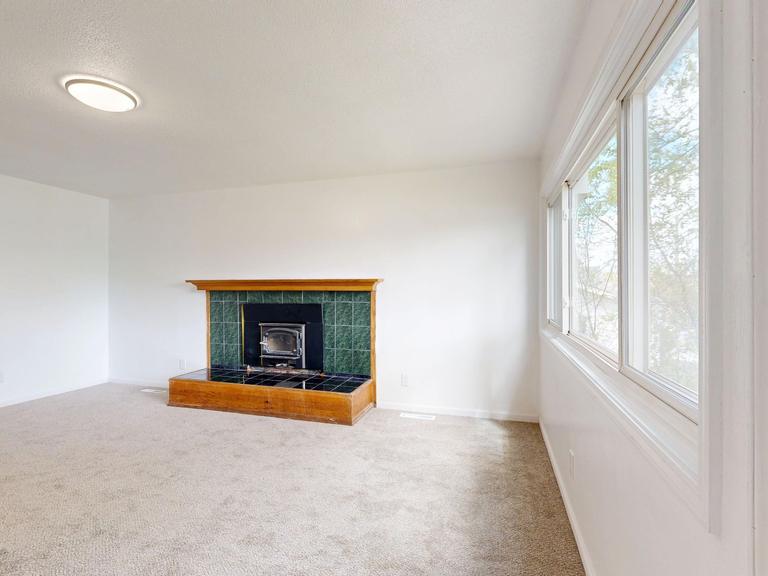
Chimney damper replacement serving Edgewood
From a loose handle to a rusted-out plate, our damper specialists handle it with a free inspection and honest options.
- Licensed & insured
- Locally run
- Family owned and operated
- Same-day service available



The damper scope we write for Edgewood homes
- Warping or cracks in the casting
- Debris cleared from the plate and smoke shelf
- Firebrick around the throat relaid if disturbed
- Rain cap check to stop future rust
Damper repair details that matter
Worn pivots and hinge points
A damper plate swings on pivots set into the frame. Rust and soot build up there, and the pins can wear until the plate hangs crooked or binds partway open.
Cleaning and freeing the pivots brings many dampers back to smooth operation. When the pivots are worn out or the frame around them is cracked, replacement is the better fix. We explain which applies after a free inspection.
Pivots also decide how well the plate seals. A plate sitting crooked on worn pivots leaves gaps when closed. Our technicians check the fit after freeing or replacing the pivot parts, so the damper closes evenly all the way around.
Damper height and a smoke-free fireplace
The damper sits above the fireplace opening for a reason. The code language for masonry fireplaces sets it at least 8 inches above the top of the opening, which gives smoke room to gather and turn upward before it reaches the plate.
When a replacement damper goes in, our crew sets it in the throat where the original belonged, keeping that relationship to the opening. The estimate describes where the new damper will sit.
If the old damper sat too low, it may have caused smoke or heat damage over time. Our technicians note that in the estimate and explain how the replacement will be positioned in the throat.
Cure time before the first fire after frame work
Refractory mortar used around a new damper frame or relaid firebrick needs time to set before it faces heat. Lighting a big fire too soon can crack fresh joints.
We follow the mortar maker's guidance and write the waiting time on your handover sheet. When it has passed, the fireplace is ready, and you know exactly how to work the new damper.
Cure times also depend on temperature and humidity. Our technicians explain what to expect and when it is safe to start with a small fire before building a larger one.
A rain cap to protect the new damper
A new damper in a flue with no cap will face the same rain that ruined the old one. A properly fitted cap keeps most water, debris and animals out of the flue.
If your flue has no cap or a damaged one, our technician mentions it and lists it separately. It is often the simplest way to protect the damper work you just paid for.
A cap also keeps animals and debris out, which protects the damper and smoke shelf. If you have seen nesting material or leaves in the firebox, a cap is worth talking about.
Other work in Edgewood
-
-
-
-
-



Learn more about chimney damper repair and replacementEdgewood services
What homeowners ask about dampers
Can a stuck damper be repaired, or does it need replacing?
Many stuck dampers can be freed, cleaned and re-hung when the plate and frame are still sound. If the casting is warped, cracked or rusted through, replacement is the lasting fix. Our technician tells you which applies after the free inspection.
How long does damper replacement take?
Freeing or re-hanging a damper is often done in one visit. A new throat damper, or a part ordered for a factory-built fireplace, can take a second trip, and mortar around a new frame needs its cure time before the first fire. Your estimate spells out the schedule.
Request your free estimate
Share the job details and arrange a free inspection with our local team.
- Free inspection
- No hidden fees
- Family owned and operated
Need an answer now? Call (352) 675-6376
Your request is received
Thank you. We will contact you to discuss the job and confirm an appointment.