
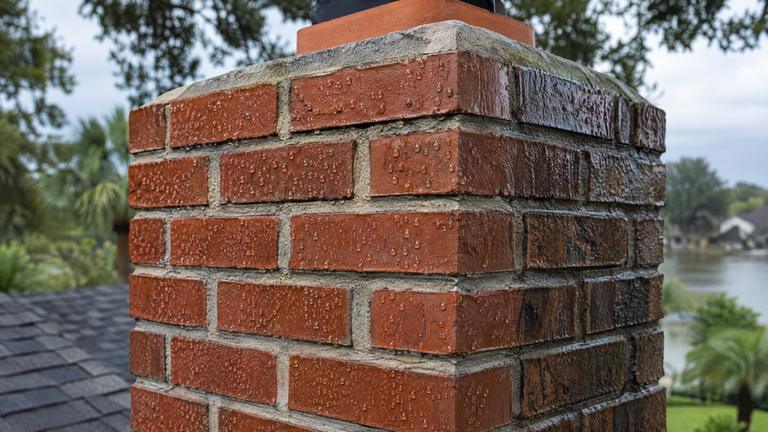
Family-owned chimney waterproofing in Harlem Heights
Tell us where the brick stays dark after rain. Our Harlem Heights team handles the ladder work, the prep and the application.
- Licensed & insured
- Locally run
- Family owned and operated
- Same-day service available



What your chimney waterproofing estimate in Harlem Heights covers
The estimate for your Harlem Heights chimney spells out these items, so you can compare it fairly with any other quote.
- Open, cracked or eroded mortar joints to repair first
- Crown condition and drip edge, listed on its own line
- Test patch location and what we check on it
- Your 72-hour 10% discount shown on the estimate
Getting chimney sealing right on Harlem Heights homes
A closer look at the work, from our family-owned crew serving Harlem Heights.
Temperature limits for chimney treatments
Repellents have a working temperature range. Product instructions for ChimneySaver water-base ask for surface and air temperatures between 40 and 100 degrees Fahrenheit for three hours after application, and the Brick Industry Association notes similar limits for most coatings.
A chimney face in full afternoon sun can run much hotter than the air around it, so we pay attention to the surface as well as the forecast. On hot days we plan the work for cooler hours or shaded faces. The goal is a product that soaks in and cures as its maker intended, not one that flashes off a baking brick.
Keeping a record of what went on the chimney
Once the job is done, we leave you the product name, the maker's data sheet, the faces treated and the date. It sounds like paperwork, but it answers the questions the next contractor, home inspector or buyer will ask.
It also protects the chimney. Future cleaning methods, patches and coatings all need to be checked against what is already in the masonry. With the record in hand, nobody has to guess. We keep a copy on file too, so a call to our local team gets you the details if yours go missing.
Chimneys that are never used still get wet
A chimney that has not seen a fire in years still takes every rainstorm. The masonry absorbs water, dries out and absorbs it again. Over time, that cycle wears mortar and can loosen brick faces, whether or not anyone lights the fireplace.
We inspect unused chimneys the same way as working ones. Sound masonry with good joints may be a candidate for a breathable repellent. Worn masonry needs repairs first. A cap on top keeps rain out of the flue, which matters even more when no fire ever dries it.
Stains on the wall around the fireplace
Brown stains or peeling paint on the chimney breast inside the house are worth taking seriously. They can come from absorption through the masonry, a leak at the crown or flashing, or water running down the flue.
If water is actively coming in, we treat it as a leak investigation first. Waterproofing becomes part of the plan only when absorption through sound masonry is confirmed as a contributor. The written estimate explains which repair addresses which path, so you are not left hoping a spray fixes a leak.
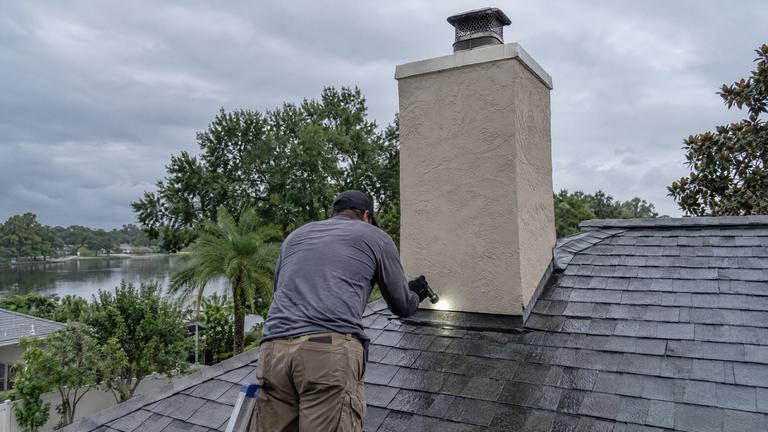
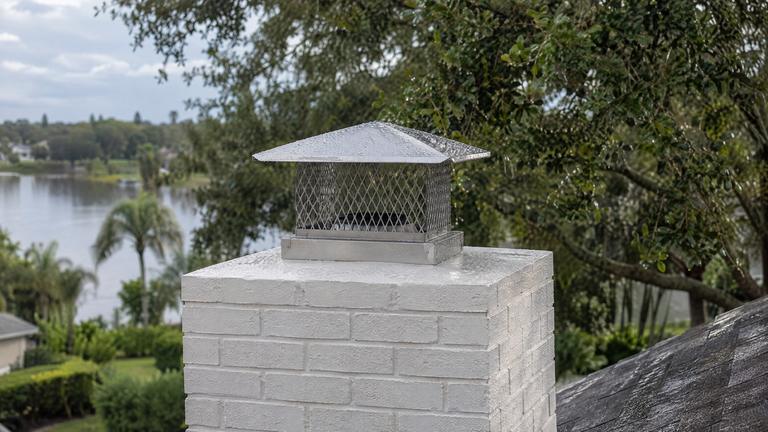
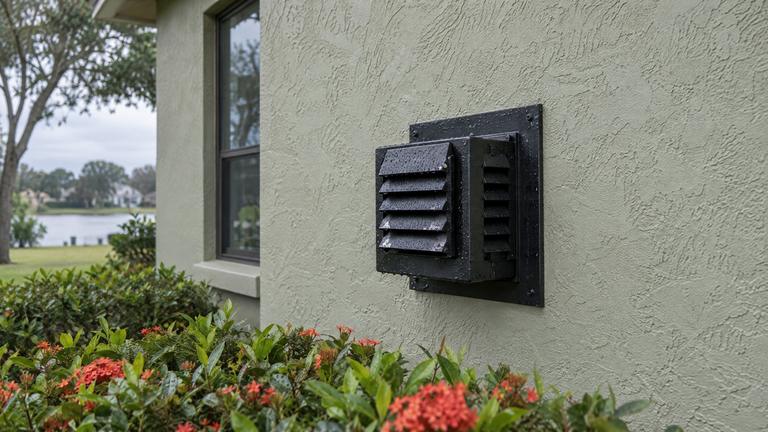
Other work in Harlem Heights
-
-
-
-
-


Learn more about chimney waterproofingHarlem Heights services
Your Harlem Heights chimney waterproofing questions, answered
Questions we hear on waterproofing visits in Harlem Heights, answered plainly.
Is waterproofing worth it on a chimney that is in good shape?
Sometimes it is not needed at all. Masonry guidance says well-built brickwork usually manages water without a repellent. On a very exposed chimney, a treatment can still help, and we explain the tradeoffs so you can decide.
Our chimney is new. Does it need a repellent?
Usually not. Masonry guidance does not recommend repellents on newly built brick veneer, and well-built brickwork handles water on its own. A new chimney that takes water points to the crown, the flashing or joints that were not filled, and those get checked first.
Request your free estimate
Share the job details and arrange a free inspection with our local team.
- Free inspection
- No hidden fees
- Family owned and operated
Need an answer now? Call (352) 675-6376
Your request is received
Thank you. We will contact you to discuss the job and confirm an appointment.