
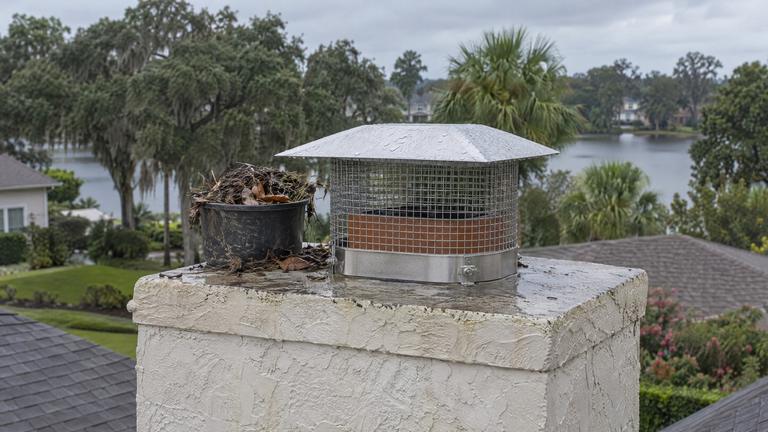
Chimney animal removal and cleanup in Keene's Pointe
Scratching, chirping or fluttering in your Keene's Pointe chimney? Our family-owned team assesses it and plans the lawful next step.
- Licensed & insured
- Locally run
- Family owned and operated
- Same-day service available



Step by step for your Keene's Pointe chimney
- Droppings bagged with care
- Firebox cleaned after removal
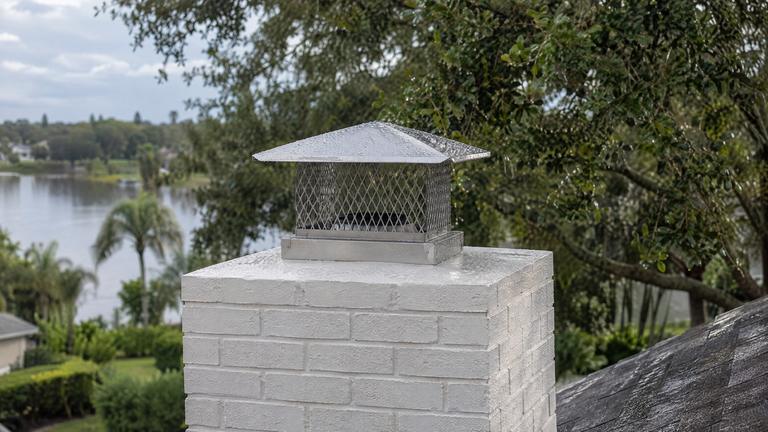
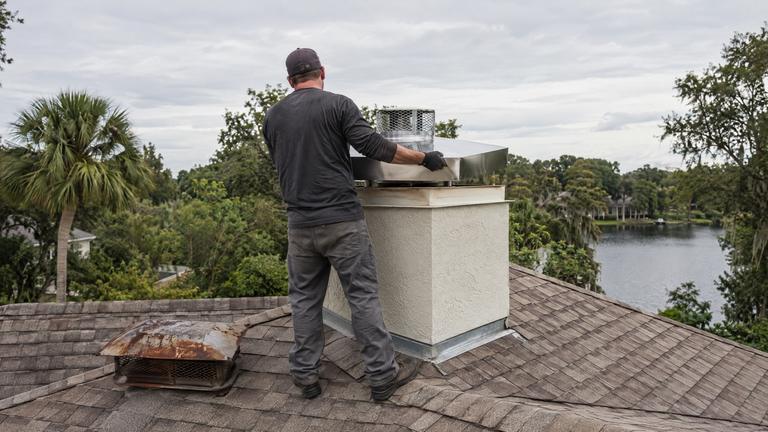
- Screened cap sized to the code range
- Cap fitted only after the flue is empty
Keeping Keene's Pointe chimneys empty and clean
Watching the chimney top at dusk
Birds and bats that use a chimney tend to leave or return around dusk. Watching the chimney top from the yard at that time, with binoculars if you have them, can show whether something is flying in or out. Stay on the ground and keep your distance. What you see helps our specialists decide which rules apply and how the removal or exclusion should be timed for your Keene's Pointe chimney. Count what you see leave on two or three evenings, since a single sighting can mislead.
Removing a dead animal from the chimney
An animal that dies in a chimney announces itself with odor and sometimes flies around the fireplace. Removal means locating it, which may be on the smoke shelf, in the flue or inside a chase, and taking it out without scattering debris into the house. We then clean the area it occupied and look for how it got in, so the cap or repair can close that route. Removal from inside a factory-built chase can need access at the top of the enclosure, which we explain before starting.
What the chimney inspection covers
Our free inspection for an animal problem looks at the chimney from the roof and from inside. The written findings say what we saw, what the rules allow and what we recommend, item by item. The inspection also notes anything we could not see, so you know what the findings cover.
- The cap, screen and crown or chase cover at the top
- Signs of nesting, droppings, fur or feathers
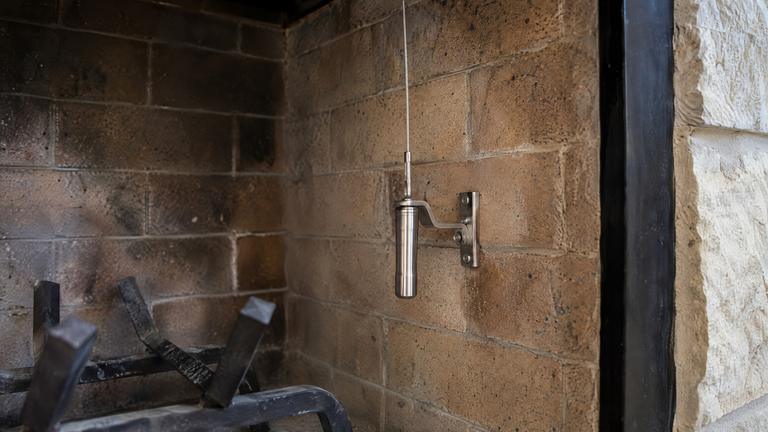
- The damper, smoke shelf and firebox from below
- Every flue in the chimney, including appliance flues
Temporary measures while the plan is set
While removal waits on timing or a specialist, a few temporary steps keep the animal out of the house. Keep the damper closed and the fireplace doors shut, or tape cardboard over an open fireplace. Do not block the top of the chimney yourself. Temporary measures come off once the work is done, and the fireplace stays unused until the flue is cleared. Tell us what you put in place so we know what to remove when we arrive.
Other work in Keene's Pointe
-
-
-
-


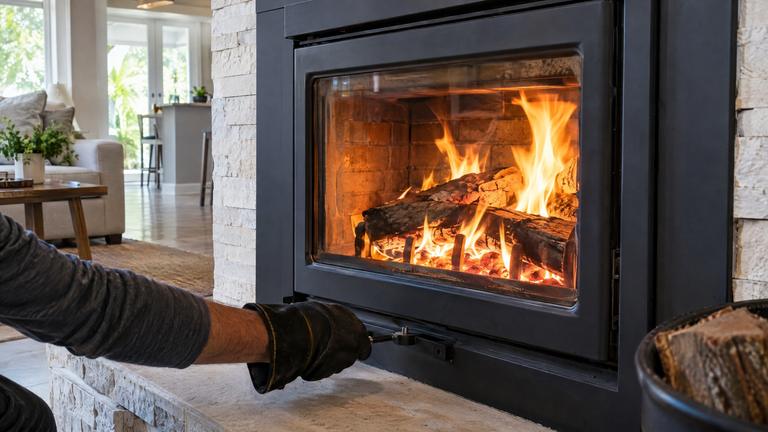
- Prefab and Zero-Clearance Fireplace RepairRepair the fireplace according to its model.
- Smoke Chamber RepairRepair the transition above the fireplace opening.
Learn more about chimney animal removalKeene's Pointe services
Chimney animal questions from Keene's Pointe
Something has moved into our Keene's Pointe chimney. What do you do about it?
We assess what is in your Keene's Pointe chimney, explain the rules that apply to that animal and coordinate a wildlife specialist when one is needed. Once the chimney is empty, we clean it and close the opening with a screened cap.
Why can't you cap the chimney right away?
Closing the top with an animal inside traps it, and some species are protected while nesting. We confirm the chimney is empty, or wait until the rules allow exclusion, before a cap goes on.
Request your free estimate
Share the job details and arrange a free inspection with our local team.
- Free inspection
- No hidden fees
- Family owned and operated
Need an answer now? Call (352) 675-6376
Your request is received
Thank you. We will contact you to discuss the job and confirm an appointment.