
Chimney sweep and soot removal for Killarney homes
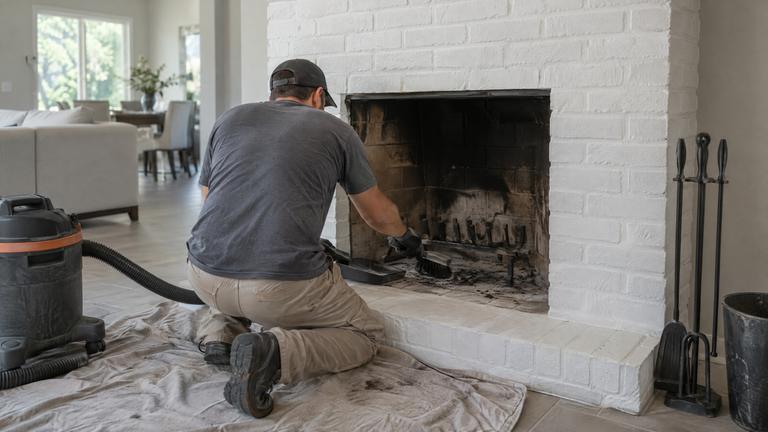
We brush out soot and flaky creosote and quote any glazed section separately, so nothing hides in the price.
- Licensed & insured
- Locally run
- Family owned and operated
- Same-day service available



Line items on a sweep estimate in Killarney
- Damper plate, frame and pivot cleaned
- Visual check of everything the brushes reached
- Insert liner cleaned from the top down
- Each flue matched to its fireplace or stove
How a chimney gets cleaned properly
Glazed creosote removal with a separate treatment
Third-degree glazed creosote is hard to remove with brushing alone. Removal products made for it are applied to the glazed section, where they soak into the deposit. As the treatment dries it loses its grip on the flue wall and falls away, and the rest comes out with a normal sweep.
One maker's product label describes how that works on clay flue tile and stainless liners. The treatment is brushed on where the surface is within reach, or loaded onto an applicator that a winch pulls up through the flue. The fireplace opening stays covered during application, and the crew wears the protective gear the label requires.
Any glazed creosote treatment used on a chimney in Killarney goes on the way its label directs. It is priced as its own job on the estimate, apart from the standard sweep, so you can see what it adds.
Cleaning the damper and testing its movement
Soot and creosote build up on the damper plate, its frame and the pivot it swings on. A coated damper sticks, closes unevenly or leaves a gap. The Florida Building Code requires a masonry fireplace to have a ferrous metal damper that can be operated from the room containing the fireplace, and that only works if it moves freely.
Our technicians scrape and brush the plate and frame, clear the pivot points and then work the control from the room, open and closed, several times. They check that it opens fully and closes without binding, then test it once more at the very end, after the firebox is cleaned.
A warped plate, a broken handle or rust that has eaten through the metal is noted in writing and priced separately. You leave the visit knowing whether the damper works instead of guessing.
Dry, split, seasoned wood stored off the ground
Wet wood burns smoky, and EPA guidance links unseasoned wood directly to creosote buildup, since the fire spends its energy driving off water and makes more smoke doing it. The guidance is plain. Burn only dry, split, well-seasoned wood, and skip anything wet, rotted or moldy.
Seasoned wood is darker, weighs less and sounds hollow when two pieces are knocked together, according to the same guidance, which calls for seasoning wood at least six months. Stack it outdoors, off the ground, with only the top covered, because covering the sides traps moisture.
From the deposits, our technicians can often tell whether the wood has been wet, and they will say so.
- Split, dry and seasoned before it burns
- Stacked outdoors and off the ground
- Covered on top only
- Checked for mold or rot before use
Where the ashes go after a fire
Ashes can hold heat long after a fire looks out. NFPA safety advice has ashes cool down first, then go into a metal container set well away from the house. EPA guidance adds a covered metal container stored outdoors on a nonflammable surface.
Old ash left in the firebox for weeks also holds moisture and adds to the smell of an idle fireplace. During a sweep, our crew removes the old ash and debris for you. Between visits, emptying the firebox into the right container is the homeowner's part.
- A metal container with a tight lid
- Set outside on concrete or bare ground, not a wood deck
- No paper bags, plastic bins or cardboard boxes
- Kept away from the house, fences and the garage
Other work in Killarney
-
-
-
-
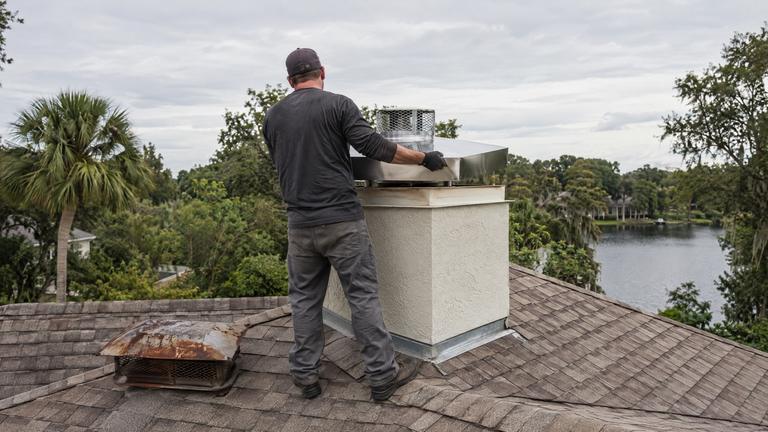
-
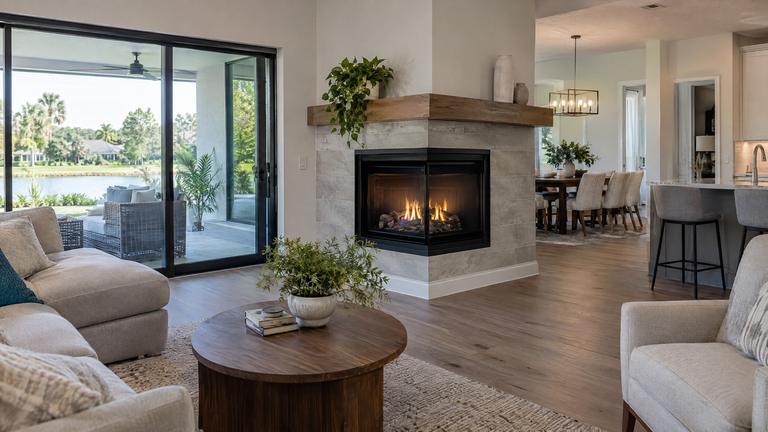


Learn more about chimney sweep and chimney cleaningKillarney services
Related chimney sweep work

Before you set up a sweep in Killarney
Do you sweep chimneys on steep or two-story roofs?
Yes. Our crew brings its own ladders and fall protection, and when the roof is unsafe on the day, we clean from inside where possible and set a new time for the roof part. You never need to climb or hold a ladder.
What should I do before the sweep arrives?
Let the fireplace go cold for at least a day, clear a path to the hearth and move fragile items off the mantel. Keep pets in another room, and leave the damper and any insert as they are for our crew.
Request your free estimate
Share the job details and arrange a free inspection with our local team.
- Free inspection
- No hidden fees
- Family owned and operated
Need an answer now? Call (352) 675-6376
Your request is received
Thank you. We will contact you to discuss the job and confirm an appointment.