
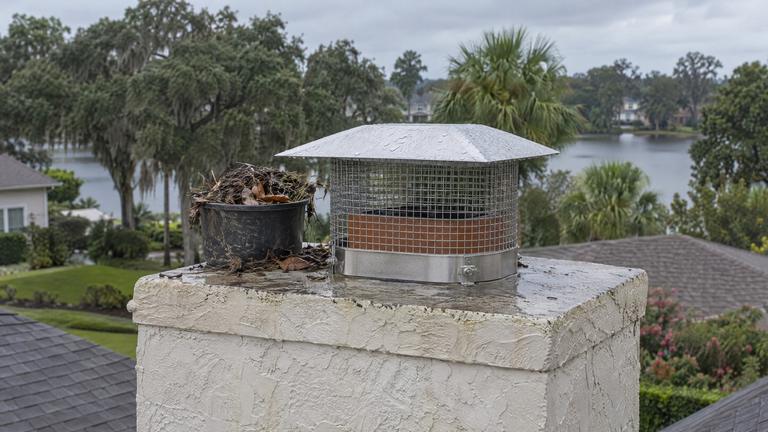
Family-owned chimney animal removal in Kirkman South
We never trap an animal inside your Kirkman South chimney. The opening is closed only after we confirm the flue is empty.
- Licensed & insured
- Locally run
- Family owned and operated
- Same-day service available



The parts of an animal removal job in Kirkman South
- Smoke shelf cleared and checked
- Chimney sweep after nesting
- Screened cap sized to the code range
- Repairs priced as separate items
Our approach to chimney wildlife in Kirkman South
Chimneys that are never used
A fireplace that sits idle for years gives animals a quiet, sheltered space, and without regular use nobody notices the early signs. If you inherited or bought a home with an unused fireplace, have the chimney inspected before anyone lights it. We check for nests, droppings and debris, confirm the flue is clear and fit a screened cap if the top is open. An idle chimney that is capped and clean stays ready for the day someone wants a fire.
What the chimney inspection covers
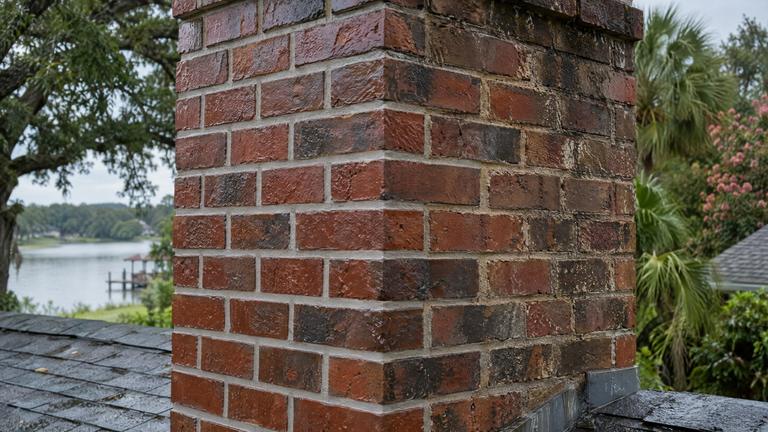
Our free inspection for an animal problem looks at the chimney from the roof and from inside. The written findings say what we saw, what the rules allow and what we recommend, item by item. The inspection also notes anything we could not see, so you know what the findings cover.
- The cap, screen and crown or chase cover at the top
- Signs of nesting, droppings, fur or feathers
- The damper, smoke shelf and firebox from below
- Every flue in the chimney, including appliance flues
Liner problems found during cleanup
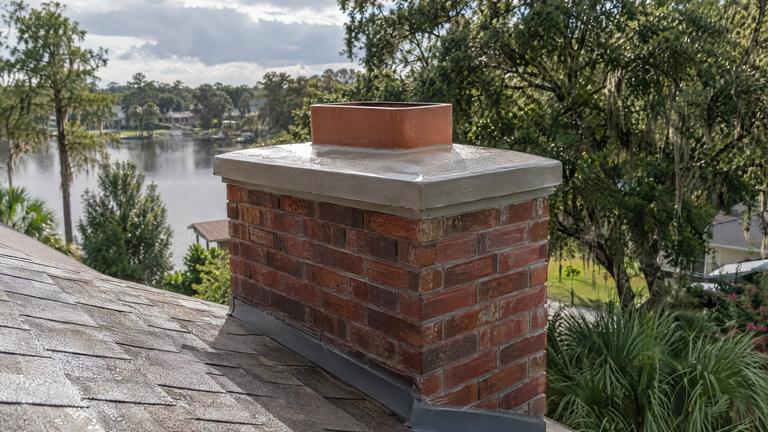
Clearing a nest sometimes reveals flue problems that were hidden behind it, such as cracked tile, open joints or a damaged liner section. Those were not necessarily caused by the animal, but they matter before the next fire. We describe what we find, explain whether the fireplace should stay unused, and quote any liner or flue repair as its own item. Finding it now, with the flue open and clean, is easier than finding it after the next fire.
Reading the nest material
Different animals leave different signs. Small twigs glued into a shelf on the flue wall point to swifts. Loose leaves, grass and debris piled on the smoke shelf suggest squirrels or other birds. Large piles of debris with droppings on the smoke shelf can mean a raccoon den. We read what we find before deciding on the next step, since the rules differ by animal. Those signs are written into the findings, so you know what we based the plan on.
Other work in Kirkman South
-
-
-
-
-


Learn more about chimney animal removalKirkman South services
Chimney animal questions from Kirkman South
Do raccoon droppings need special handling?
Yes. The CDC notes that raccoon feces can carry roundworm eggs, so a latrine in a chimney or firebox calls for careful cleanup with protective equipment. Leave it for us rather than sweeping it up yourself.
Will you cover the chimney if the job takes more than a day?
Yes. When a chimney is left open at the end of a work day, we cover it before we leave, and we clean up and haul away the nest material and debris when the job is done.
Request your free estimate
Share the job details and arrange a free inspection with our local team.
- Free inspection
- No hidden fees
- Family owned and operated
Need an answer now? Call (352) 675-6376
Your request is received
Thank you. We will contact you to discuss the job and confirm an appointment.