
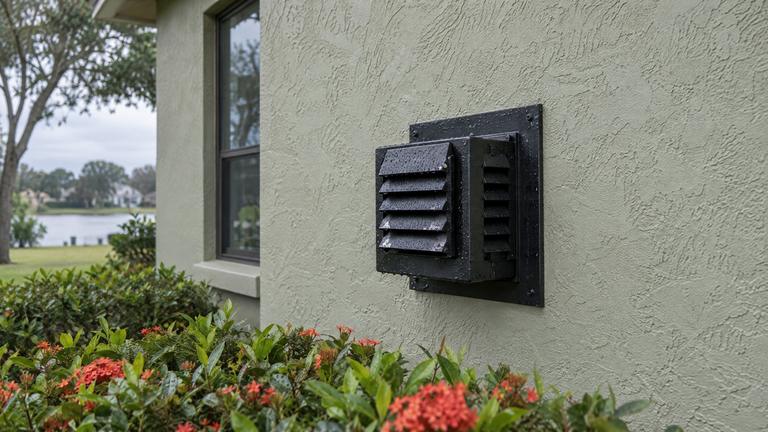
Gas fireplace venting done by the manual in Lake Butler
Remodeling around the fireplace? We plan the new vent route, list the wall and roof work separately and hand you the scope in writing.
- Licensed & insured
- Locally run
- Family owned and operated
- Same-day service available



What our Lake Butler crew measures at the vent cap
These checks decide whether a vent run is right for your fireplace, and our Lake Butler crew writes each result down before any work.
- Vent type confirmed as direct vent or B-vent
- Rise or level run of horizontal pipe against the manual
- Roof penetration, storm collar and flashing
- Draft check and spill switch on natural-vent units
What goes into a sound vent run in Lake Butler
Notes from our gas fireplace vent technicians in Lake Butler.
How a B-vent fireplace uses the air in your room
A natural-vent, or B-vent, fireplace burns air from the room and lets the warm exhaust rise through its own pipe by draft. The unit has a draft hood, and one maker requires that hood to sit in the same air pressure zone as the combustion air inlet.
The pipe must be Type B gas vent listed to UL 441, which the Florida fuel gas code requires in section 503.6.1. Our technicians confirm the pipe type from the markings on the sections they can reach, since the wrong vent type is one of the causes of poor draft listed in the manual.
Fixed windows and condensation
A window that never opens is not a path for exhaust into the house, but it can still collect moisture from it. One maker recommends 12 inches between its direct-vent cap and a permanently closed window to keep condensation off the glass.
That is a recommendation rather than a code limit, and it matters most on walls where the cap sits right beside a picture window. Our specialists point it out when they see it and let you decide whether it is worth changing.
Caps that sit on the wall face
One maker states plainly that a vent terminal may not sit recessed into the wall or the siding. A cap sunk into a thick finish can trap exhaust and change how the intake draws air.
Recessed caps usually come from a finish added after the fireplace went in, such as new siding or a thicker stucco coat. Our pros check the cap's position against the finished wall and list any extension part your manual allows to bring it back to the surface.
Five feet above the draft hood
A natural-vent fireplace needs enough height for its exhaust to rise. Florida's fuel gas code, in section 503.6.6, wants a Type B gas vent to end no less than 5 feet higher than the highest draft hood or flue collar connected to it.
One B-vent fireplace manual goes further, asking for at least 8 feet of vertical vent between the top of the fireplace and the top of the cap. Our crew measures what it can and uses the stricter figure when judging whether the vent is tall enough.
Two liners down an old masonry chimney
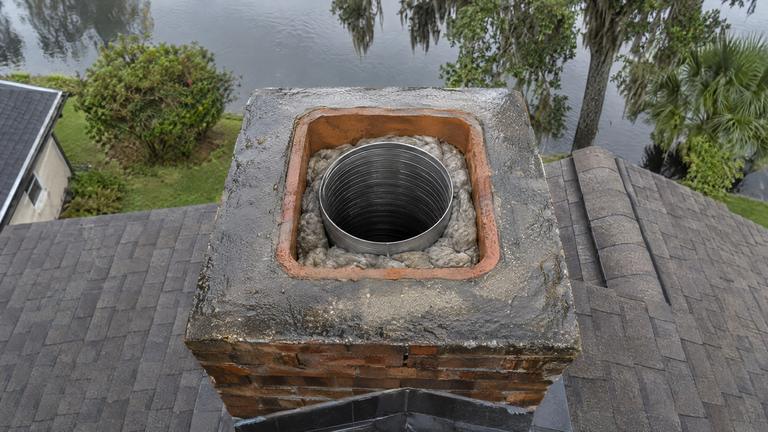
Some gas inserts vent through an existing masonry chimney using two flexible liners, one bringing fresh air down and one carrying exhaust up. In one maker's co-linear kit, that means a 3 inch intake liner, a 4 inch exhaust liner, an adapter on the appliance and a co-linear termination with flashing at the top.
The same instructions allow the co-linear part of the vent only inside a solid-fuel-burning fireplace and chimney. Our specialists confirm the chimney qualifies before recommending this route in Lake Butler.
Other work in Lake Butler
-
-
-


Gas fireplace venting questions from Lake Butler
Straight answers on vents from our specialists in Lake Butler, with no pressure to book.
How often should a gas fireplace vent be checked?
One direct-vent manual asks for the fireplace and venting system to be inspected before first use and at least once a year, with the outside cap checked regularly for debris. Our free inspection is a simple way to start.
Can attic insulation touch the vent pipe?
No. One maker asks for air space all around the pipe and warns against packing it with insulation, which can cause high temperatures. Where the pipe passes into an attic, a firestop or insulation shield keeps that space open.
Request your free estimate
Share the job details and arrange a free inspection with our local team.
- Free inspection
- No hidden fees
- Family owned and operated
Need an answer now? Call (352) 675-6376
Your request is received
Thank you. We will contact you to discuss the job and confirm an appointment.