
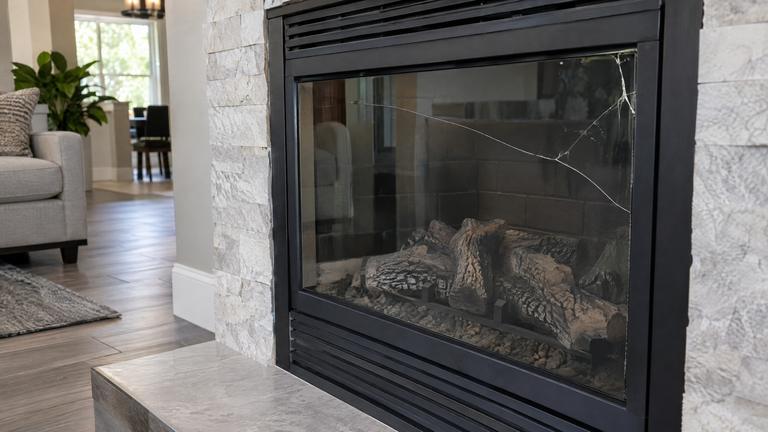
Family-owned chimney chase repair in Lake Copeland
Same-day chase inspections when available for Lake Copeland homeowners, plus a written repair plan you keep.
- Licensed & insured
- Locally run
- Family owned and operated
- Same-day service available



Chase repair scope for your Lake Copeland home
- Probe test of siding, corners and the chase base
- Damage boundary marked on each face
- Paint on new siding and trim
- Ladder, roof anchor or scaffold access
How we repair chimney chases in Lake Copeland
Soft studs and plates inside the chase
Studs and plates are the bones of a chase. Rot in framing tends to start at the ends, where end grain drinks water, so the bottom plate, the lower ends of the studs and the top plate are the places to check first. Corners matter too, since two walls share the corner studs and both drain toward them.
A stud that takes a probe easily, feels spongy or crumbles in hand has lost its strength. Several soft studs in one corner can let the chase sag or twist, which opens the siding joints and lets in even more water. A soft top plate also lets the cover settle.
Our crew in Lake Copeland replaces rotted plates and studs with new lumber, or sisters sound new wood alongside where the old stud is damaged at one end only. We tell you which method fits each stud, and why, before the wall is closed.
A chase pulling away from the house
A gap opening between a chase and the house wall is a sign the chase has moved. Typical causes are rotted sill plates on a wall chase, loose connections to the house framing or a soft base under a cantilevered chase. On a roof chase, the gap may also show as a split where the chase siding meets the house siding at the roof line.
The gap lets water straight into both walls, and a chase that keeps moving can stress the chimney pipe inside it. It should be looked at before more rain gets in, and the fireplace should stay out of use until it is.
Our technicians measure the gap, open the joint and find what let the chase move. The fix may be new sill framing, new connections to the house framing or a partial rebuild. You get the reason and the repair in writing before we start.
Reading the chimney label before repairs start
Factory-built fireplaces and chimneys are listed and labeled, and the label names the maker, model and listing. Under R1004.1, factory-built fireplaces are tested to UL 127 and installed per their listing. R1005.3 ties factory-built chimneys for solid-fuel appliances to UL 103, and R1005.4 has chimneys for factory-built fireplaces meet UL 127.
The instructions that go with those labels decide the clearances, shields and supports inside your chase. The fireplace label is often inside the firebox opening or behind a panel, and original paperwork helps if you still have it. The chimney pipe itself may also carry a label on a section near the top of the chase.
Our technicians record the maker and model at the first visit, so the chase work follows the right instructions. If a label is missing or unreadable, we tell you how that limits the repair plan. This step comes before any framing is cut on a chase in Lake Copeland.
After a storm tears siding off the chase
High wind can strip siding, trim or stucco off one face of a chase and leave the sheathing bare. Rain that follows goes straight into the wall, so a quick temporary cover can limit how far the water gets. Loose pieces on the roof can slide off in the next gust, so they are gathered up before anything else.
Storm damage is a good time to check the whole chase, not only the torn face. Wind that pulled siding loose may also have loosened fasteners, lifted flashing or bent the cover on another side. Siding or trim that landed on the roof may have scraped or punctured the roofing, which your roofer should see.
Our crew puts temporary protection in place, then inspects the full chase and writes a repair estimate that separates fresh storm damage from older rot. That split shows plainly what the storm did and what was already there before it.
Other work in Lake Copeland
-
-
-
-
-


Quick answers on chimney chase repair
Do you work with my roofer?
Yes. Flashing at the chase base sits between the roof and the chase, so we agree with your roofer on who replaces which pieces before work starts. The written estimate spells out that split.
Do you charge to look at my chase?
No. The inspection and the written estimate are free, with no obligation to book the repair. If the chase only needs small fixes, we tell you that too.
Request your free estimate
Share the job details and arrange a free inspection with our local team.
- Free inspection
- No hidden fees
- Family owned and operated
Need an answer now? Call (352) 675-6376
Your request is received
Thank you. We will contact you to discuss the job and confirm an appointment.