
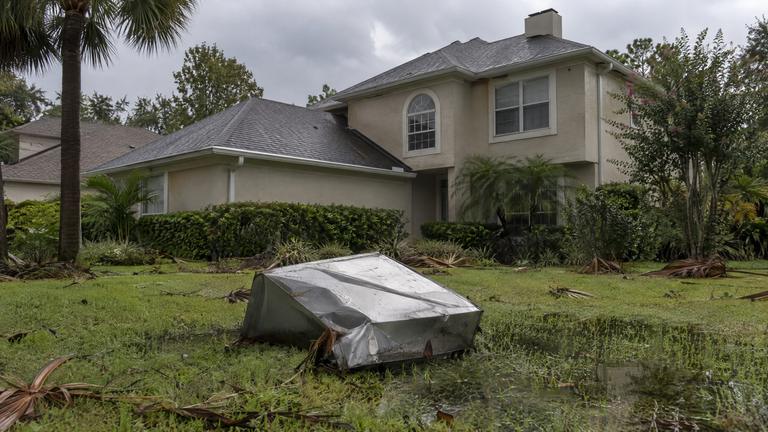
Chimney repair for homes in Lake Davis/Greenwood
Tell us what the chimney is doing in Lake Davis/Greenwood, and our crew will find out why at no charge.
- Licensed & insured
- Locally run
- Family owned and operated
- Same-day service available



Chimney repairs priced one part at a time
- Crown condition, slope and drip edge
- Cleanout door and any stovepipe entry
- Chase siding, barrier and framing condition
- Repair order, with safety items first
Repairs that fit the way your chimney is built
Water, heat and movement wear a chimney out
Three forces wear a chimney down over time. Water gets in at the top and at the roofline, soaking mortar, rusting metal and staining the rooms below. Heat works from the inside, on the flue lining and the chamber above the damper. Movement shows up as cracks and gaps where masonry has shifted or pulled away from the house.
One visible symptom can come from more than one force. A cracked joint may be years of water working into the mortar, or masonry moving because something beneath it has shifted. BIA guidance on maintaining brick says the origin of a problem should be found and both the cause and the visible effect corrected, which is why a patch over the mark alone does not settle it.
At your Lake Davis/Greenwood home, each finding is sorted by the force behind it before anything is priced. The written estimate groups the repairs the same way, so you can see which lines stop water, which deal with heat damage and which address movement.
Hairline cracks in a concrete crown
Fine cracks in a concrete crown do not always mean it was built badly. BIA guidance on chimney construction calls shrinkage of concrete as it cures a certainty, and it recommends reinforcement in a cast crown to help control cracking from shrinkage and from heating and cooling.
What matters is what the cracks let through. A few fine lines in a crown with a good slope and sound edges are a different case from cracks that cross the full width, reach the flue liner or have let water stain the brick underneath. The first is a small repair. The second can mean water is reaching the masonry, and the crown may need replacing rather than patching.
Width, length and pattern are all checked, along with the brick directly below. The estimate names one of the two options and sends the work to our chimney crown repair service, with the reasoning written beside it.
A cricket behind a wide chimney
A wide chimney on a sloped roof acts like a dam. Water and debris coming down the roof collect against its uphill side, and the flashing there has to hold back what piles up. A cricket, also called a saddle, is a small peaked section of roof built behind the chimney to split that flow and send it around.
The Florida Building Code requires a cricket where the chimney is wider than thirty inches along the ridge direction and does not meet the ridge. Where the cricket joins the chimney, it is flashed and counterflashed the same way as the rest of the roof and chimney joint.
A leak on the uphill side of a wide chimney with no cricket can trace to that missing detail. When a cricket is missing or its flashing has failed, the work goes through our chimney flashing repair service together with the roofing it touches. For homeowners in Lake Davis/Greenwood, the estimate says whether your chimney needs one.
Stucco on a chimney, over masonry or over framing
A stucco chimney can hide two very different structures. Some are brick or block with cement plaster applied straight onto the masonry. Others are wood-framed chases wrapped in lath and plaster, sometimes around a factory-built metal chimney. From the yard they look alike.
Under the Florida Building Code they are built differently. Plaster over lath goes on in at least three coats, over corrosion-resistant lath with a water-resistive barrier behind it. Plaster applied directly to masonry takes at least two coats. That backing decides how a crack is cut out, what sits behind the patch and whether water can reach wood.
Looking at the top of the chimney, the firebox and the attic run usually shows which kind you have. The backing is named on the written estimate for homes in Lake Davis/Greenwood before a repair is chosen, since a framed chase with wet sheathing needs a different scope than stucco over solid brick.
Other work in Lake Davis/Greenwood
-
-
-
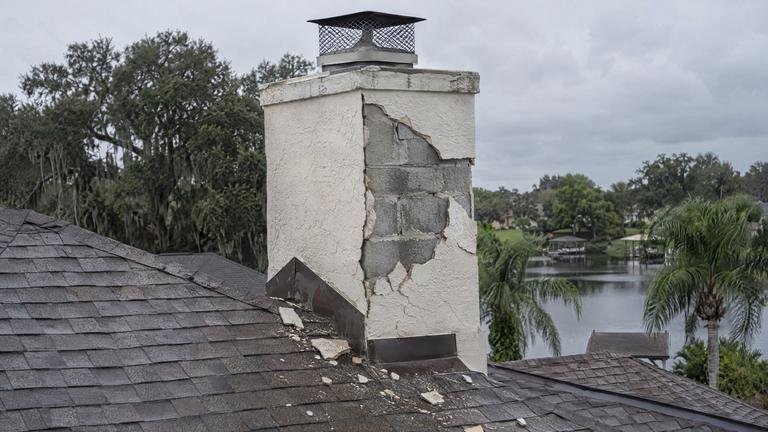


- Stone Chimney RepairKeep stone repairs suited to the existing masonry.
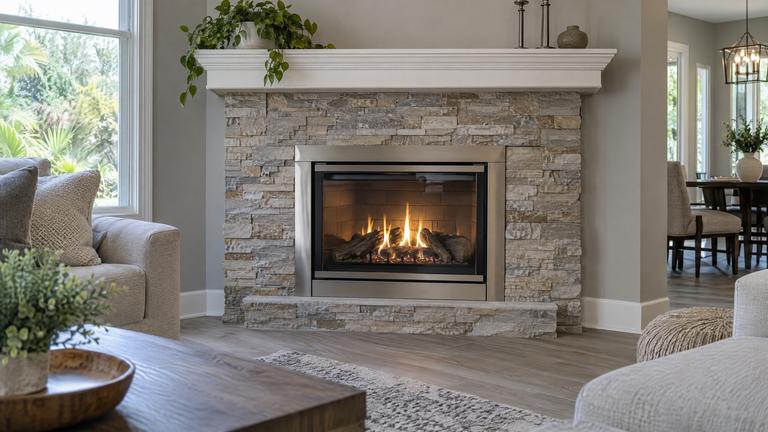
- Fireplace InstallationPlan the fireplace before opening the wall.
- Smoke Chamber RepairRepair the transition above the fireplace opening.
Learn more about chimney repairLake Davis/Greenwood services

Questions to ask before a chimney repair
How do I set up a chimney repair visit?
Call (352) 675-6376 or use the form, and tell us what you see and where on your Lake Davis/Greenwood home. Same-day visits are available when the schedule allows. The visit starts with a free inspection, and you get a written estimate before any repair begins.
Is there someone to call when chimney damage cannot wait?
For fire or smoke in the house, get everyone out and call 911 first. Our 24/7 emergency line is for chimney damage that cannot wait, such as masonry coming loose above a door or a walkway. The repair itself is still priced in writing before work starts.
Request your free estimate
Share the job details and arrange a free inspection with our local team.
- Free inspection
- No hidden fees
- Family owned and operated
Need an answer now? Call (352) 675-6376
Your request is received
Thank you. We will contact you to discuss the job and confirm an appointment.