
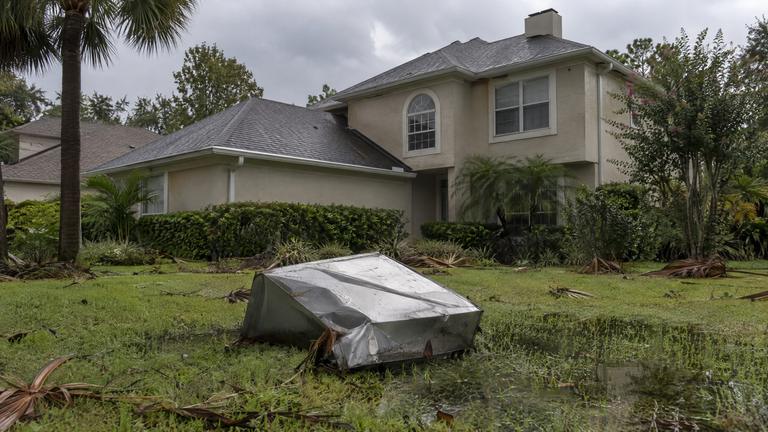
Chimney repair from the cap to the firebox in Lake Dot
Chimney repair in Lake Dot that starts with a free look and a straight answer.
- Licensed & insured
- Locally run
- Family owned and operated
- Same-day service available



What the free chimney inspection looks at
- Rust on lintels, support angles and ties
- Smoke chamber walls and their parging
- Damper plate, frame and handle
- Weep holes and through-flashing at a veneer base
How we repair chimneys in Lake Dot
Masonry chimney or factory-built system
Two chimneys can look alike from the yard and be built in completely different ways. A masonry chimney is built on site from solid brick, block grouted solid, stone or concrete, and the Florida Building Code sets how it is constructed, anchored, supported and lined. A factory-built chimney is a metal system that is listed and labeled, and the code requires it to be installed and terminated according to its maker's instructions.
That difference decides every repair method and every part. Masonry is repaired with mortar, brick, flue lining and a sloped cap on top. A factory-built system stays within its listing, so repairs follow the maker's instructions for that model and use the parts they call for.
The outside finish does not settle the question, because the code also covers masonry used as a veneer over a framed chimney. Our crew confirms the construction at the start of each visit and names it at the top of the estimate, so every line below it follows the right rules.
Changing the appliance means checking the flue
A flue is sized and lined for what it vents. Under the Florida Building Code, a chimney flue may not be smaller in area than the connector from the appliance, and a flue that served an open fireplace is not automatically right for a stove or an insert.
Swapping appliances is where mismatches start. Because the code ties the lining to the terms of the appliance listing and the maker's instructions, the new appliance's own manual carries part of the answer, and the chimney has to satisfy both the manual and the code.
If you can, bring the new appliance's model and manual into the conversation before it is bought. Our crew in Lake Dot compares its flue requirements with the chimney you have, and the estimate spells out whether the existing lining can stay, needs repair or has to be replaced to suit it.
Carbon monoxide alarms and a fuel-burning fireplace
CDC advice is to install battery-operated or battery back-up carbon monoxide detectors near every sleeping area in the home. NFPA heating safety tips say to install and maintain CO alarms, and they add that all fuel-burning equipment should be vented to the outside to avoid CO poisoning. A home with a fireplace or any other fuel-burning appliance needs them.
An alarm that goes off is not a chimney question. Get everyone out of the house and call 911 from outside. The cause gets tracked down only after the fire department has cleared the home.
Where a chimney comes in is venting. CDC guidance notes that chimneys can be blocked by debris, which can cause carbon monoxide to build up inside a home, and a cracked liner or a damper stuck closed can also keep combustion gases from leaving the way they should. Our technicians check those parts during the free inspection, and any fault that affects venting goes to the top of the estimate, ahead of cosmetic work.
Why new mortar looks different at first
New mortar next to old often looks wrong on the day it goes in. Fresh mortar is damp and reads darker or chalkier, while the joints around it have weathered for a long time. Color also shifts as mortar dries, so what you see that afternoon is not the finished look.
Brick Industry Association guidance on repointing says new mortar should match the color of the existing joints where only part of a wall is redone, using pigments where needed. It recommends comparing a new sample with the old mortar while both are wet, then comparing fully dried samples with dry existing mortar, and notes that several sample batches may be needed.
Even a close match can look a little brighter until it weathers in. On a repair where appearance matters to you, samples can be compared wet and dry before the joints on your Lake Dot chimney are filled, and the estimate states whether color matching is part of the job.
Other work in Lake Dot
-
-
-
-
-
-


Chimney repair questions from Lake Dot homeowners
Is the inspection really free, with no obligation?
Yes. You pay nothing for the inspection or the written estimate, and going ahead is entirely your call. If you do approve the work within 72 hours after the inspection, 10% comes off.
Can you turn a home inspector's notes into a repair plan?
Yes. We check each chimney item the report mentions, name the component and write the repair on the estimate with its price. The estimate is ready to share with the other side of a sale.
Request your free estimate
Share the job details and arrange a free inspection with our local team.
- Free inspection
- No hidden fees
- Family owned and operated
Need an answer now? Call (352) 675-6376
Your request is received
Thank you. We will contact you to discuss the job and confirm an appointment.