
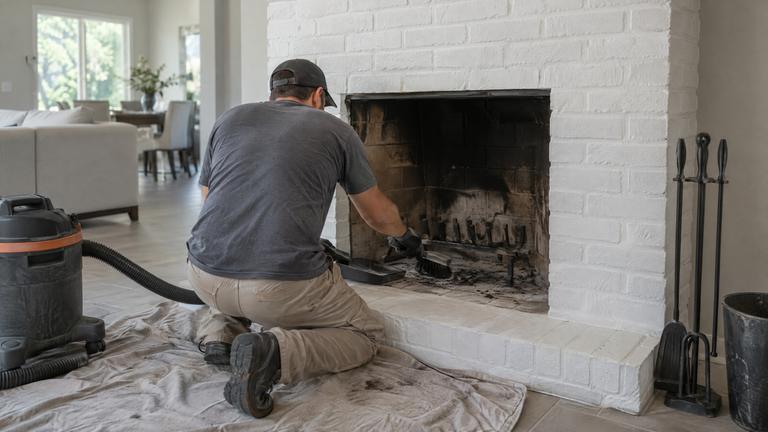
Chimney sweep for fireplaces and wood stoves in Lake Dot
Save 10% on chimney cleaning booked within 72 hours after the free inspection, with a written estimate before any work.
- Licensed & insured
- Locally run
- Family owned and operated
- Same-day service available



Inside the estimate for your Lake Dot sweep
- Smoke shelf cleared and debris checked
- Damper tested open and closed from the room
- Cleanout door emptied and cover closed
- Top-sealing damper gasket and cable checked
Sweeping details that matter for your fireplace
Stove habits that coat the flue faster
How a wood stove is run changes how much creosote it leaves in the flue. EPA guidance points to a few habits. Turning the air down to stretch a load into a long, smoldering burn starves the fire of air. Packing the firebox full for a longer burn also adds to the buildup and can damage the firebox.
The same guidance says to keep the stove doors closed except when loading or stoking, and to build hot fires rather than smoldering ones.
When our crew sweeps a stove chimney, the deposits show how the stove has been run, and they share what they see along with any change that would help.
- Hot fires instead of smoldering loads
- Doors closed except when loading or stoking
- No overloading the firebox for a longer burn
- Only dry, split, seasoned wood
Rust flakes and water marks inside the flue
Rust in the sweep debris, orange streaks down the firebox walls, or a damper rusted at the edges all point the same way. Water is getting into the chimney somewhere above.
The sweep removes the rust flakes along with the soot, but it does nothing about the water. On a masonry chimney the path can be a missing cap, a cracked crown or open joints. On a factory-built chimney it can be the cap, the storm collar that seals the pipe, or the chase top.
Our crew traces the water as far as the cleaning allows and notes each suspect point on your estimate, with leak repair priced apart from the sweep. Until the source is fixed, water keeps rusting the damper and staining the firebox. On a factory-built system, any failed cap or collar is replaced with the maker's listed part.
Whistling in wind or dripping after rain
A chimney that whistles or hums in the wind often has something at the top catching the air, such as a loose cap, a bent screen or a damper lid that no longer seats. A chimney that drips into the firebox after rain has an opening where water gets in.
Neither one is a cleaning problem, though both are easy to spot during a sweep. With the crew already on the roof, the cap, screen and damper get a close look, and water stains inside the flue show where the drip is coming from. A drip also rusts the damper faster, so it pays to find it early.
You hear which part is causing the noise or the leak, and the fix goes on your estimate by name, whether it is a cap, a damper, flashing or a leak repair. None of it is bundled into the sweep price.
An older wood stove and the deposits it leaves
Older wood stoves were built before today's cleaner-burning designs. EPA guidance notes that newer stoves meeting its emission standards burn more efficiently and leave less creosote buildup in the chimney than older models.
That does not make an older stove unsafe by itself, but its chimney tends to collect deposits faster and deserves close attention. Hot fires and dry wood help any stove, old or new.
When our crew sweeps an older stove's chimney, the deposits and the connector pipe show how it is doing. A rusting pipe or worn door gaskets are noted as their own items, each with a plain description of what our crew saw. Replacing a stove is your call, and we do not push it. Either way, the sweep itself is the same careful job.
Other work in Lake Dot
-
-
-
-
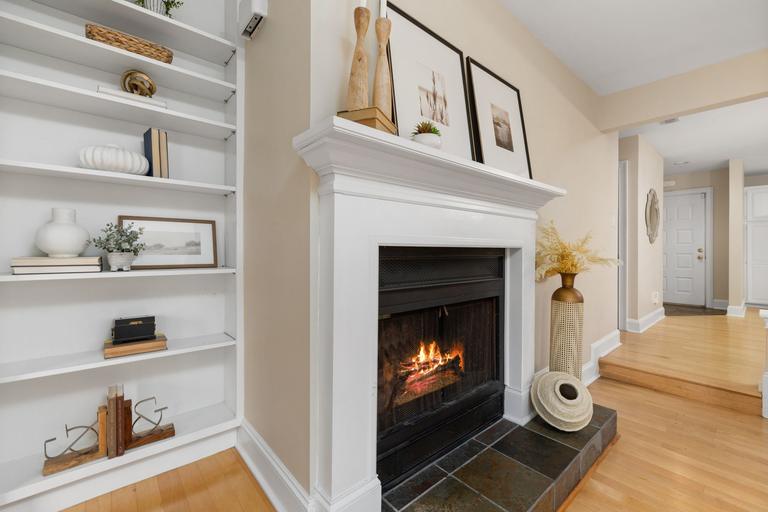
-
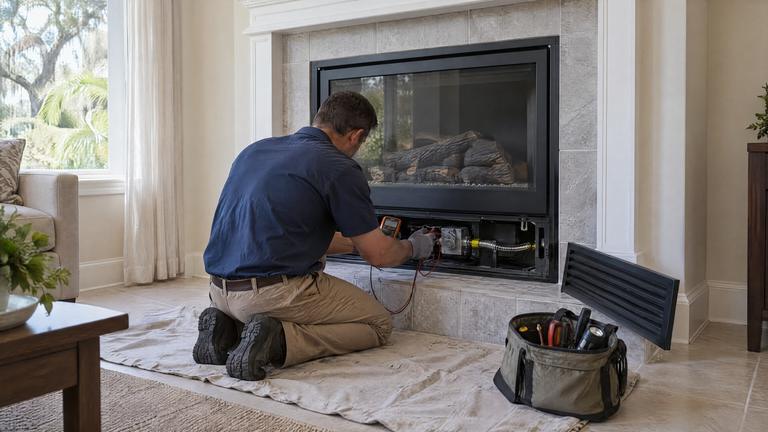


Learn more about chimney sweep and chimney cleaningLake Dot services
Related chimney sweep work

What homeowners ask before a sweep
Can you sweep a chimney that has birds or animals in it?
Not while they are inside. Chimney swifts are federally protected, so the sweep waits until they leave, and bats or other animals are handled by our animal removal service before any cleaning. Once the flue is clear, we sweep it and quote a cap to keep them out.
Can I use the fireplace the same day it is swept?
Usually, yes, once our crew has finished and the damper has been tested. The exceptions are a glazed treatment that is still drying and a repair finding that should be settled first, and we tell you about either before we leave.
Request your free estimate
Share the job details and arrange a free inspection with our local team.
- Free inspection
- No hidden fees
- Family owned and operated
Need an answer now? Call (352) 675-6376
Your request is received
Thank you. We will contact you to discuss the job and confirm an appointment.