
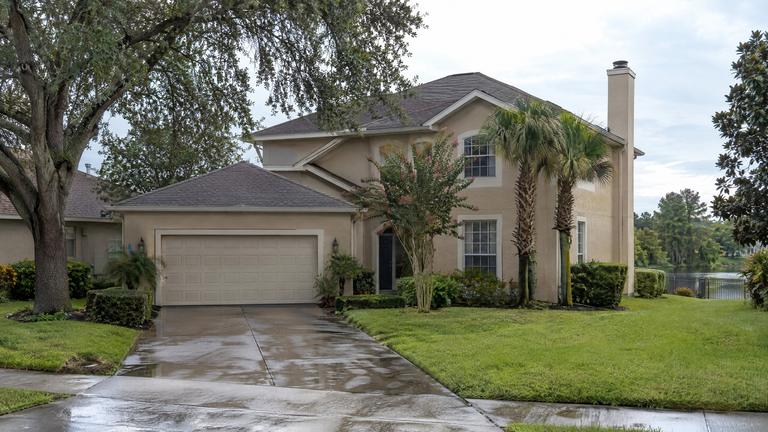
Animals in the chimney? Removal help in Lake Shore Village
From the first sound in the flue to the new cap on top, one family-owned team handles your Lake Shore Village chimney animal problem.
- Licensed & insured
- Locally run
- Family owned and operated
- Same-day service available



Inside the chimney animal plan for Lake Shore Village
- Rules that apply to that animal, explained
- Specialist coordination where needed
- Firebox cleaned after removal
- Timing set around protected species
Chimney animal work in Lake Shore Village homes
Why the cap goes on last
Capping a chimney with an animal still inside traps it, and a trapped animal dies in the flue or tears at the cap. That is why the cap is always the last step. We confirm the chimney is empty by inspection and by the history of sounds, and for protected birds and bats we wait for the lawful window. Then the flue is cleaned and the cap is fitted. If you need the chimney closed sooner, we explain what can be done lawfully in the meantime, such as sealing the damper.
Animals that return every season
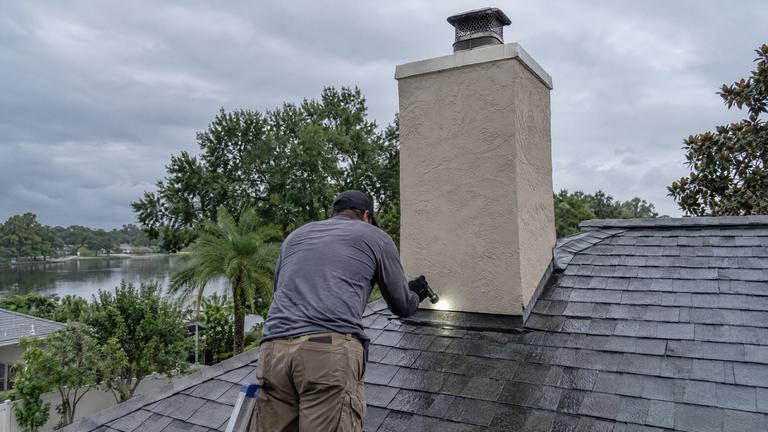
When animals come back to the same chimney year after year, the way in is still open. A missing cap, a torn screen, a gap under the cap or an opening at the chase cover each works as an invitation. We find the route, confirm the chimney is empty and close it. Repeat visitors are one reason we inspect the cap screen every time we are on the roof. A new cap on one flue and an old one on the next can leave the second as the easy way in.
The screen also stops embers
The screen on a cap does two jobs. It keeps animals out, and on a wood-burning chimney it catches larger embers before they leave the flue. A torn screen fails at both. That is one more reason to replace a damaged screen promptly and to size it to the code range, which balances protection against keeping the flue open enough to draw. We check both jobs of the screen whenever we inspect the cap. On a wood-burning fireplace, a torn screen can also let larger embers land on the roof around the chimney.
The written record you keep
When the chimney work is finished, you receive a written record of what we did. It notes what we found in the flue or on the smoke shelf, what we removed, whether a sweep was part of the job and which cap and screen we fitted. The record is plain enough to hand to a home inspector or a buyer, and it shows whoever looks at the chimney next year what changed. If a wildlife specialist handled part of the job, the record names that step as their work, not ours.
Other work in Lake Shore Village
-
-
-
-


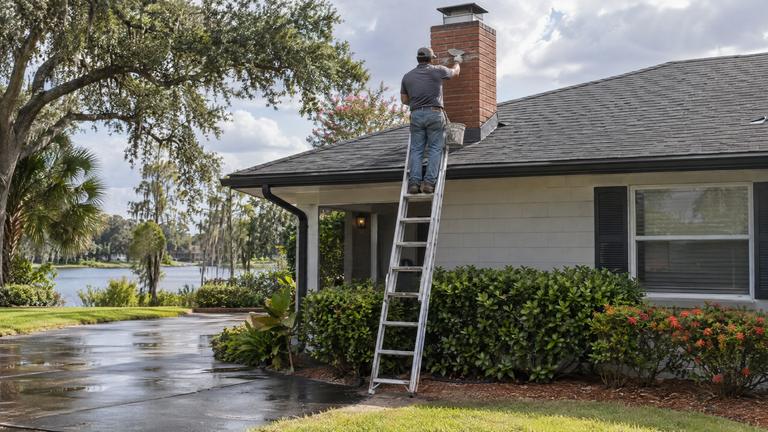
- Fireplace RestorationBring an unused fireplace back with a coordinated plan.
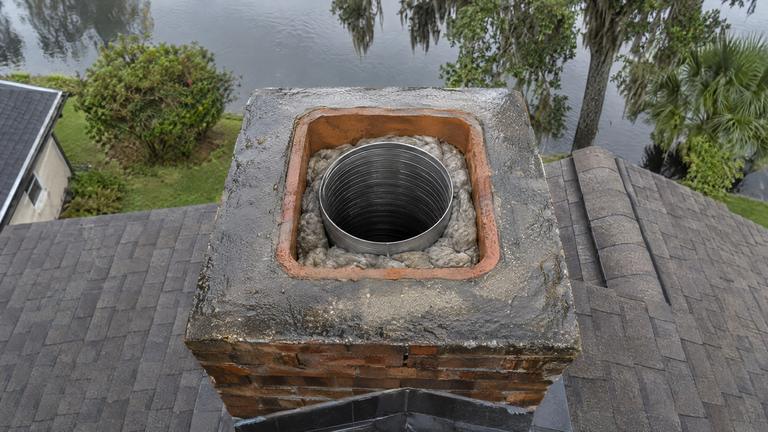
- Smoke Chamber RepairRepair the transition above the fireplace opening.
Learn more about chimney animal removalLake Shore Village services
What Lake Shore Village owners ask about animals in chimneys
Will you cover the chimney if the job takes more than a day?
Yes. When a chimney is left open at the end of a work day, we cover it before we leave, and we clean up and haul away the nest material and debris when the job is done.
Should I keep the glass doors closed?
If the fireplace has glass doors, keeping them shut adds a barrier between the flue and the room. Keep the damper closed too, and do not light a fire while an animal may still be inside.
Request your free estimate
Share the job details and arrange a free inspection with our local team.
- Free inspection
- No hidden fees
- Family owned and operated
Need an answer now? Call (352) 675-6376
Your request is received
Thank you. We will contact you to discuss the job and confirm an appointment.