
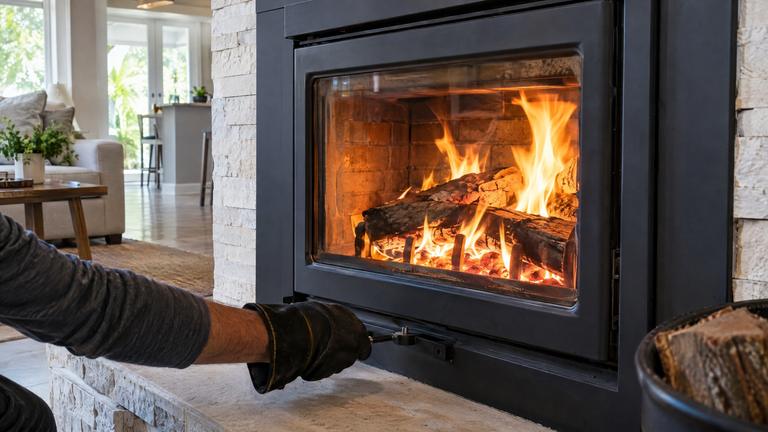
Fireplace insert installation by local installers in Lake Terrace
Local experts in Lake Terrace who tell you whether an insert fits before you spend anything. The first visit is free.
- Licensed & insured
- Locally run
- Family owned and operated
- Same-day service available



What the insert plan for your Lake Terrace home includes
Checked once, carefully, so install day in Lake Terrace runs without a second visit.
- Chimney height checked against the model's minimum
- Surround sized to the fireplace face and sealed where required
- Drop cloths from the door to the hearth
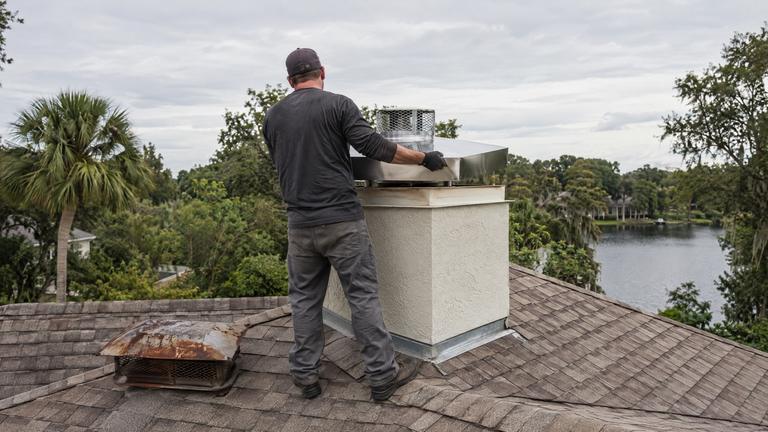
- Existing chimney cap checked for fit with the liner
The flue, the fit and the fire, for Lake Terrace inserts
What our installers look for, and why it matters, on Lake Terrace insert jobs.
Type HT liners listed to UL 1777
For a factory-built fireplace, the Pacific guide calls for a full stainless liner meeting the Type HT requirements of UL 1777, the standard for chimney liners, fastened securely to the insert collar and to the chimney top. The HT rating comes from testing at very high flue temperatures.
In a masonry fireplace too, the liner our crew proposes is a listed product with its own installation instructions. Those instructions set how the liner is joined, held and capped, and we follow them alongside the insert manual, so two sets of requirements agree on one flue.
A quick check on whether a split is dry
A simple test from the Pacific guide tells dry wood from wet. Place a piece on a good bed of coals. It is dry if it catches on more than one side within about a minute, damp if it blackens and takes up to three minutes to light, and wet if it sizzles and hisses.
A moisture meter gives a firmer answer, and EPA recommends one. Either way, the point is to find wet wood before it goes in the insert, where it smolders, darkens the glass and wastes heat that should be warming the room.
Yearly inspection with a liner in place
NFPA 211, the national standard for chimneys, fireplaces, vents and solid fuel-burning appliances, puts chimneys and vents on a yearly inspection for soundness, deposits and clearances, with cleaning and repair when that inspection finds them due.
The Travis manual goes further and asks owners to look at the connector and chimney twice a month during use. We note the install date and the liner type in your records so the yearly visit starts with the facts.
A flue that bends on its way up
Many masonry chimneys step sideways as they rise, to clear framing or to reach a better position on the roof. A rigid liner cannot follow a sharp change of direction, while a flexible stainless liner can be eased around it without being crushed.
We look at the offset from both ends and measure the full path, since a bend adds length. The liner we specify is one that can pass that route without kinking or flattening, and the estimate notes the offset so the order is right the first time.
Other work in Lake Terrace
-
-
-
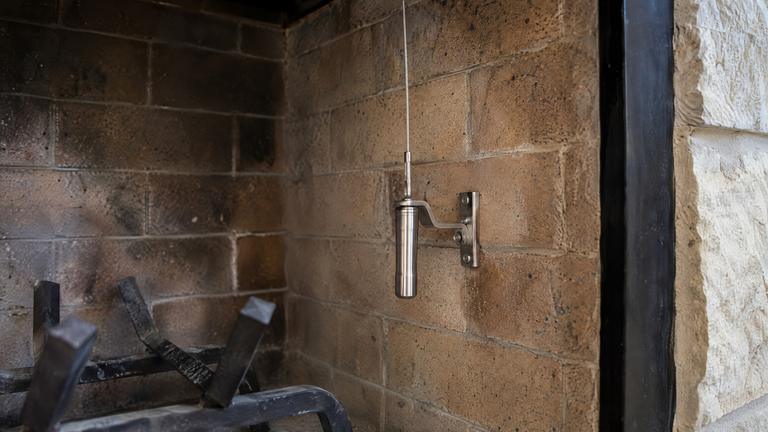


- Prefab and Zero-Clearance Fireplace RepairRepair the fireplace according to its model.
- Fireplace RestorationBring an unused fireplace back with a coordinated plan.
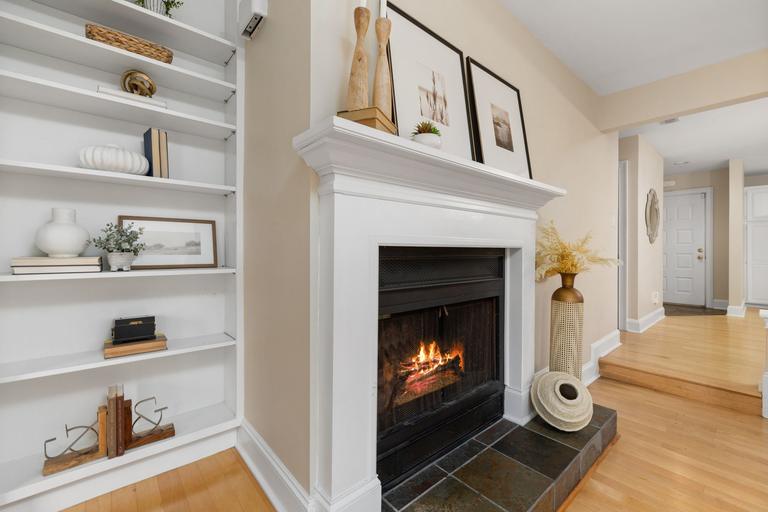
- Fireplace InstallationPlan the fireplace before opening the wall.
Learn more about wood-burning fireplace insert installationLake Terrace services
Wood insert questions we answer in Lake Terrace
Undecided? These help, and the insert visit in Lake Terrace costs nothing.
What happens to the old damper?
Insert manuals direct that it be locked fully open or removed. We secure or remove it during the installation, so it cannot be closed on the exhaust path later.
Can the glass door stay open while the fire burns?
No. The insert manuals we work from say the insert runs with the door closed and latched. Open it to load wood, then close and latch it again.
Request your free estimate
Share the job details and arrange a free inspection with our local team.
- Free inspection
- No hidden fees
- Family owned and operated
Need an answer now? Call (352) 675-6376
Your request is received
Thank you. We will contact you to discuss the job and confirm an appointment.