
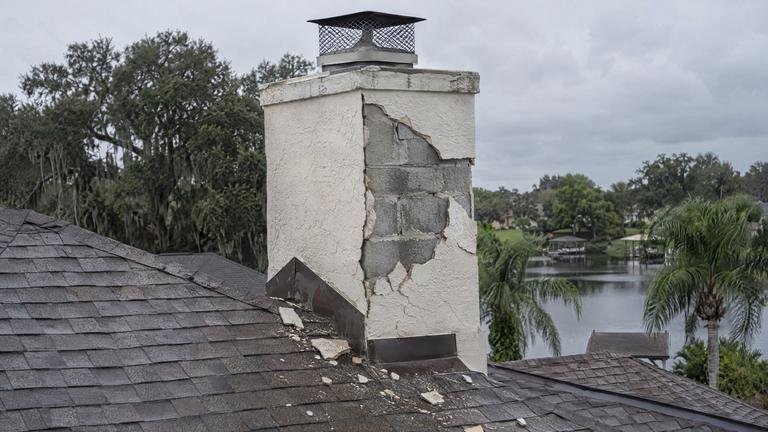
Your local chimney mason for repairs in Lake Underhill
Mortar chosen for your existing masonry, not the strongest bag on the shelf. Chimney masonry experts serving Lake Underhill.
- Licensed & insured
- Locally run
- Family owned and operated
- Same-day service available



The written masonry scope for your Lake Underhill home
Your masonry scope in Lake Underhill starts here, drawn from sound brick to sound brick.
- Joint profile matched to the original
- Removal of old caulk, patches and loose mortar
- Water sources feeding the damage
- Crown, cap and flashing findings on separate lines
Brick and mortar facts our masons share in Lake Underhill
Three points our masons in Lake Underhill explain before any mortar is cut out.
Why head joints need hand work
The short vertical joints between bricks are called head joints. Brick industry guidance warns that a grinder cannot remove the full depth of mortar from them without damaging the adjacent brick, so the remaining mortar has to come out with a chisel.
It is slower, and it is the difference between a clean repair and chipped brick corners along every joint. We budget the time for it in the estimate instead of rushing the step that shows the most.
The mortar type recommended for chimneys
A table of mortar recommendations by use appears in Technical Note 8B. For exterior, above-grade parapets and chimneys, it recommends Type N, with Type S as the alternate.
That is a starting point, not a rule that overrides the existing masonry. For repointing, compatibility with the brick and mortar already there comes first, and softer mortar may be the right choice on older work. We explain which applies to your chimney. Your estimate names the proposed type and says why it was chosen over the alternative.
Cleaning brick without damaging it
Cleaning can harm brick when it is done badly. Brick industry guidance warns that too little prewetting, too little rinsing or strong chemical concentrations can cause new staining, etch mortar joints and increase moisture penetration.
When cleaning is part of a masonry repair, we use products made for brickwork, follow their instructions and test a small area first. A harsh cleaner can do more visible harm in an afternoon than years of weather.
Veneer ties and retrofit anchors
Brick veneer is held to the structure behind it by ties. Where ties are too few or have failed, the veneer can bulge or crack. Technical Note 46 describes retrofit anchors installed through the mortar joints for that problem.
It also stresses that each anchor product has its own methods and limits, and that the manufacturer should be consulted. When veneer movement suggests failed ties, we explain the options, including when an engineer should look first.
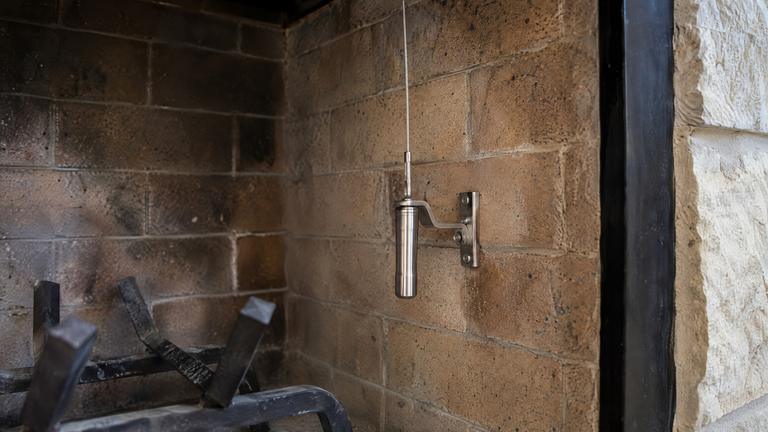
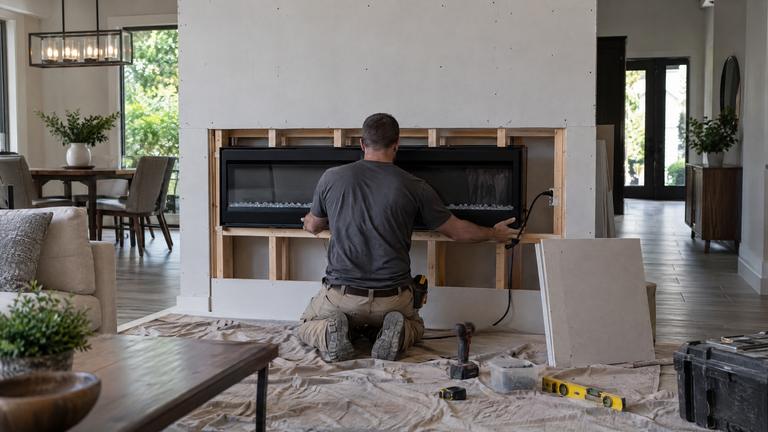
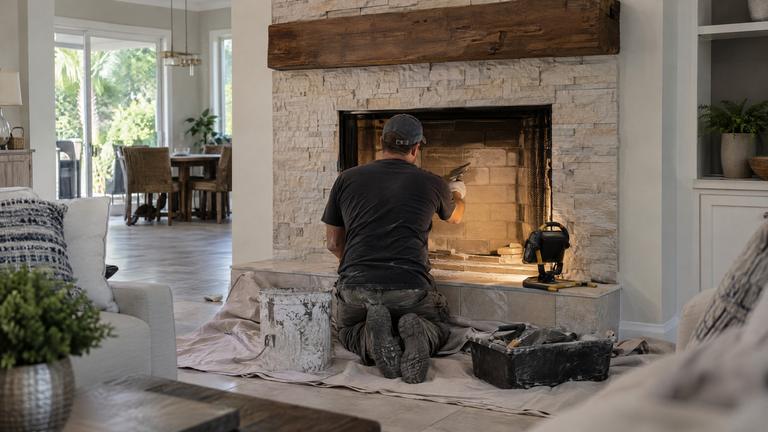
Other work in Lake Underhill
-
-
-
-
-
-


Learn more about chimney masonry repairLake Underhill services
Related chimney masonry work


Chimney masonry questions from Lake Underhill
Our family-owned crew in Lake Underhill answers what homeowners ask about chimney brick.
Why not use the strongest mortar available?
Because stronger is not better in repair work. Brick industry guidance says repointing mortar should not exceed the strength of the original, since harder mortar can push stress into the brick and spall its face.
Do I need to be home during the masonry work?
Not always. Most masonry work happens outside, so we mainly need safe access to the chimney and a place to set up. We agree on access and timing when we schedule.
Request your free estimate
Share the job details and arrange a free inspection with our local team.
- Free inspection
- No hidden fees
- Family owned and operated
Need an answer now? Call (352) 675-6376
Your request is received
Thank you. We will contact you to discuss the job and confirm an appointment.