
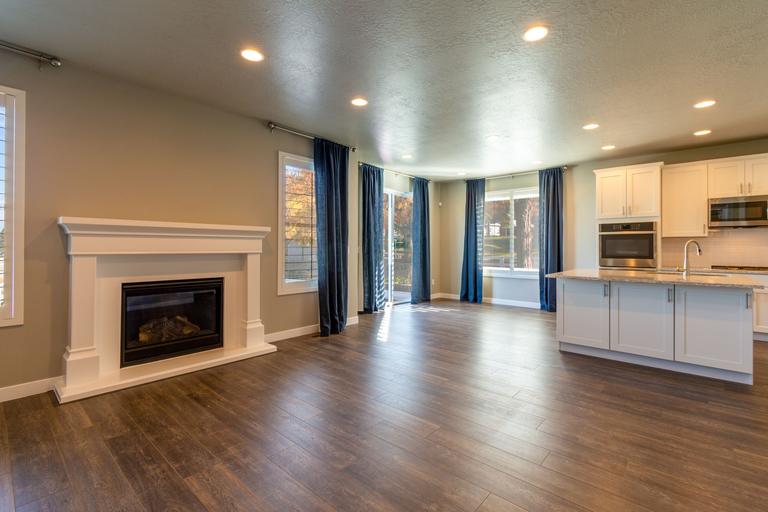
Gas fireplace repair and service in Lake Whippoorwill
Propane or natural gas, we start with the rating plate and follow the manual for your Lake Whippoorwill fireplace.
- Licensed & insured
- Locally run
- Family owned and operated
- Same-day service available



What a free gas fireplace inspection looks at
- Ignition type identified and the start sequence followed
- Gas valve operation and a maker-specified replacement
- Remote, receiver, wall switch and control wiring
- Vent cap and termination clearance viewed from outside
Gas fireplace repair, explained for Lake Whippoorwill homeowners
The flame safeguard shuts the gas off on purpose
The fuel gas code requires vented gas fireplaces, fireplace heaters and log sets other than the manually lighted kind to carry a flame safeguard device. Its job is narrow. When the means of lighting the main burner stops working, it shuts off the gas to that burner automatically.
So a fireplace that shuts down after its pilot fails may be doing exactly what it was built to do. On a standing pilot, the thermocouple and the pilot safety in the valve do this job, while on an electronic pilot the flame sensing rod and the module do it. Another maker's wiring page warns that incorrect wiring can override the safety lockout on its electronic pilot and may cause an explosion.
The repair is to find why the pilot or its sensing failed, and that cause is what goes on the estimate. We do not jump or bypass a safeguard to get a flame going in your Lake Whippoorwill home. The code asks for repairs that keep the listing, and one maker counts modification of the appliance among the actions that void its warranty.
Embers replaced and placed each year
The glowing ember material on a gas burner is part of the flame picture, and it wears out. Installation instructions for one line say to replace it annually, and the matching owner's manual puts new ember pieces on the technician's yearly list.
Placement matters as much as freshness. That manual also warns that misplaced embers interfere with burner operation and will likely cause lighting and sooting problems, and it asks for leftover ember material to be kept for later servicing.
Our crew removes the old material, lays the maker's ember material by the diagram for your model and checks the light-off, and ember replacement appears on the estimate as part of the service. The placement rules on that insert are these.
- Dime-size pieces, not clumps
- Kept off the ports and pilot area the diagram marks
- Laid loosely in a single thin layer, never pressed into the holes
Grounding and the fireplace circuit
Any fireplace with a fan, lights or electronic ignition is also an electrical appliance. The manuals we have read require it to be wired and grounded per local codes or, where there are none, the National Electrical Code. Florida's fuel gas code adds a rule that is easy to miss. Gas piping shall not be used as a grounding electrode.
Ground matters to the ignition as well as to shock safety. An electronic ignition troubleshooting table lists poor or no system ground as a cause of a pilot that sparks but never lights, and has the ground wire on the valve wiring checked at the metal chassis. A natural vent chart from another maker notes that a poor or erratic ground may cause an occasional shutdown even when the fireplace works normally at checkout.
Inside the appliance, our technician tests the ground connections and labels wires before disconnecting any control, as the manuals direct. A fault in the house wiring is noted on the estimate for a qualified electrician.
Looking at the vent cap from the ground
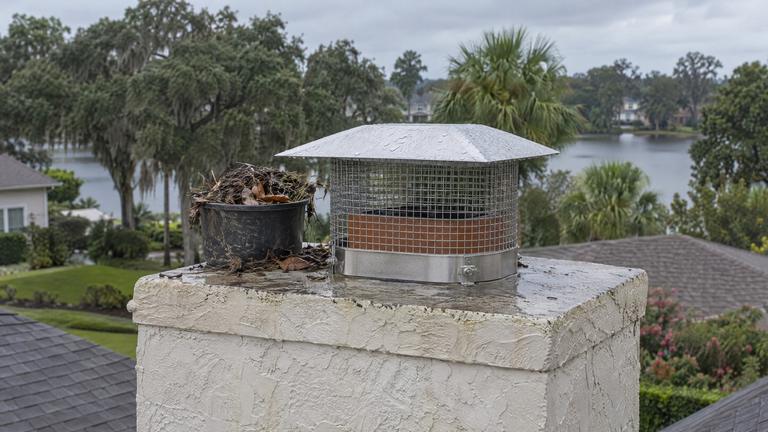
Every vented gas fireplace ends at a cap outside, on a wall or the roof. The owner's upkeep table in one manual lists a seasonal homeowner look at the venting and termination cap for blockage such as plants, bird nests, leaves and debris. Another manual asks for the external cap to be checked regularly so nothing interferes with the airflow.
Looking from the ground or through a window is the sensible way to do it. A roof cap that cannot be seen from there is better left for a qualified service person than reached by climbing up.
Anything you spot there is work for our gas fireplace venting service. Our repair technician still notes it on the estimate when it may explain a fault inside the unit.
- Leaves, clippings or mulch piled against a wall cap
- Shrubs or vines grown over the cap
- Signs of nesting at the openings
- A cap that is crushed, damaged or missing
Other work in Lake Whippoorwill
-
-
-
-
-
-


Learn more about gas fireplace repair and serviceLake Whippoorwill services

Questions to ask before a gas fireplace repair
Is it safe to keep using the fireplace until the repair?
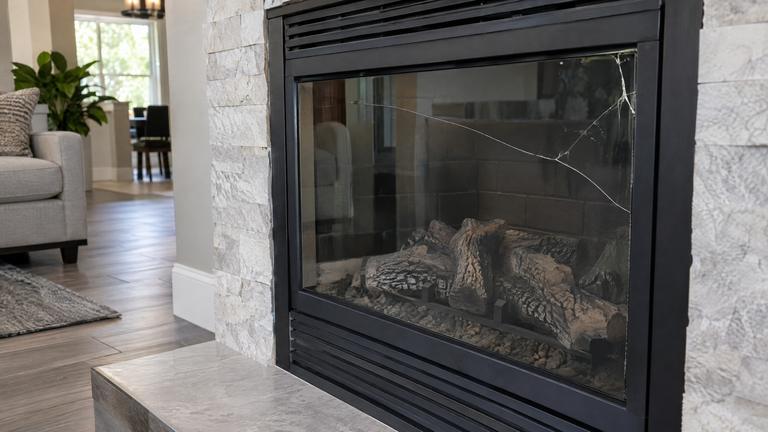
It depends on the fault. Makers say not to run a gas fireplace with cracked or missing glass, a broken log or any part that has been under water. One maker's lighting instructions also say to stop and call a technician after three failed tries. Our technician tells you which case applies to yours.
Should I repair my old gas fireplace or replace it?
That depends on the unit's condition, how often it has failed and whether the maker still supplies its parts. A look-alike part cannot go into a listed appliance, so when parts are gone, replacement may be the honest answer. We lay out both options in writing and route replacement to our gas fireplace installation service.
Request your free estimate
Share the job details and arrange a free inspection with our local team.
- Free inspection
- No hidden fees
- Family owned and operated
Need an answer now? Call (352) 675-6376
Your request is received
Thank you. We will contact you to discuss the job and confirm an appointment.