
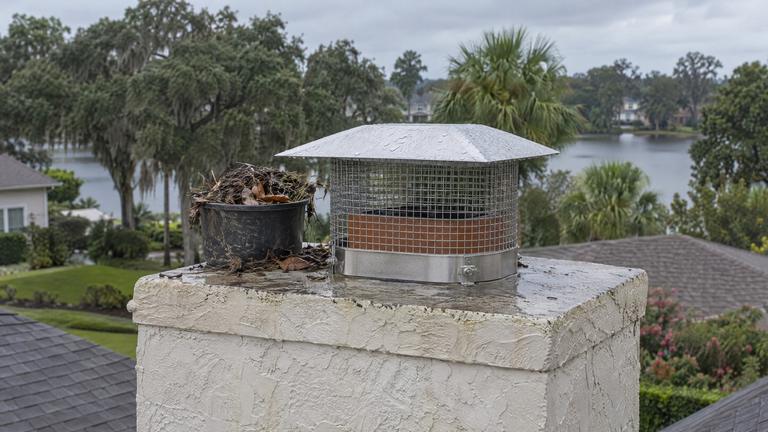
Chimney animal removal in Milk District
Chimney animal removal in Milk District done in the right order, from assessment and cleanup to a screened cap, backed by our 100% satisfaction guarantee.
- Licensed & insured
- Locally run
- Family owned and operated
- Same-day service available



On the estimate for your Milk District chimney
- Damper and fireplace doors secured
- Flue inspected top to bottom
- Listed cap for factory-built chimneys
- Repairs priced as separate items
Chimney animal details for Milk District homeowners
Keep the fireplace off while an animal is inside
The urge to light a fire and smoke the animal out is understandable, and it causes more harm than good. Heat and smoke can kill or injure the animal, trap it higher in the flue or drive it down into the room. Nest material burns, and a dead animal left in the flue brings its own cleanup. Keep the fireplace unused and the damper closed until the chimney has been assessed and cleared. Banging on the flue or spraying water up the chimney only frightens the animal further and can drive it into the house.
A written record of the chimney work
After the job, you receive a written record of what we found, what was removed, which cap and screen were installed and any repairs made. Keep it with your home paperwork. It answers questions if you sell, and it shows the next person who inspects the chimney what was done. If a protected species was involved, the record notes when the cap was installed. That date helps show the work followed the timing the wildlife rules set. Keep it with the fireplace manual so both are easy to find when the chimney is next inspected.
A yearly look at the cap and screen
NFPA 211 calls for chimneys to be inspected annually, and that inspection is a good time to check the cap. Screens tear, rust or clog, fasteners loosen and storms shift caps. A quick look each year catches a failing screen before an animal finds it. We include the cap, screen and crown or chase top in every chimney inspection we do. Screens are cheaper to replace than the cleanup that follows a new animal visit. If you only use the fireplace now and then, the yearly look matters even more, since problems do not show up through regular use.
When a storm loosens or removes the cap
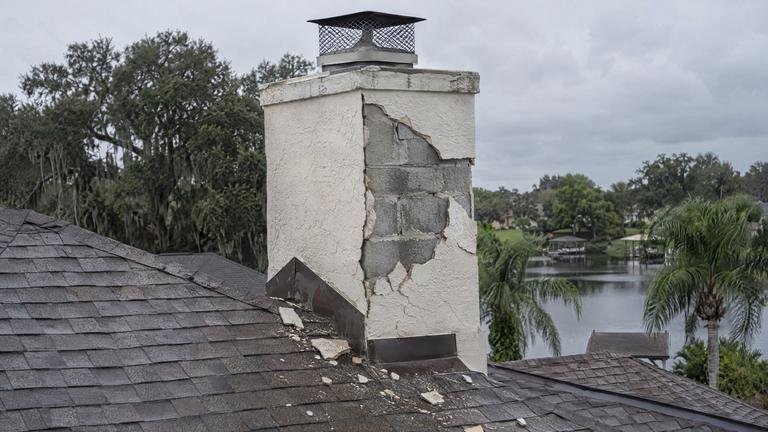
Strong wind can loosen a cap, tear its screen or carry it off the chimney, leaving the flue open. After a storm, look at the chimney top from the ground. If the cap is missing or tilted, keep the damper closed and call for an inspection. We confirm nothing moved in while the flue was open and then replace or refasten the cap. A cap that has shifted once may need different fasteners so it stays put the next time.
Other work in Milk District
-
-
-
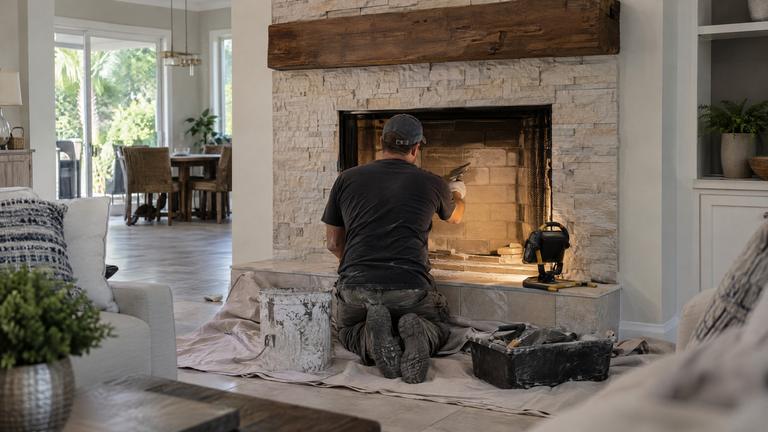


- Fireplace RestorationBring an unused fireplace back with a coordinated plan.
- Fireplace InstallationPlan the fireplace before opening the wall.
- Ventless Gas Fireplace ServiceService the unit within its exact installation limits.
Learn more about chimney animal removalMilk District services
Chimney wildlife answers for Milk District homeowners
Why can't you cap the chimney right away?
Closing the top with an animal inside traps it, and some species are protected while nesting. We confirm the chimney is empty, or wait until the rules allow exclusion, before a cap goes on.
How does the 10% discount work?
Book any service within 72 hours after your free inspection and 10% comes off. We write the discount into the estimate, so the price you approve already includes it.
Request your free estimate
Share the job details and arrange a free inspection with our local team.
- Free inspection
- No hidden fees
- Family owned and operated
Need an answer now? Call (352) 675-6376
Your request is received
Thank you. We will contact you to discuss the job and confirm an appointment.