
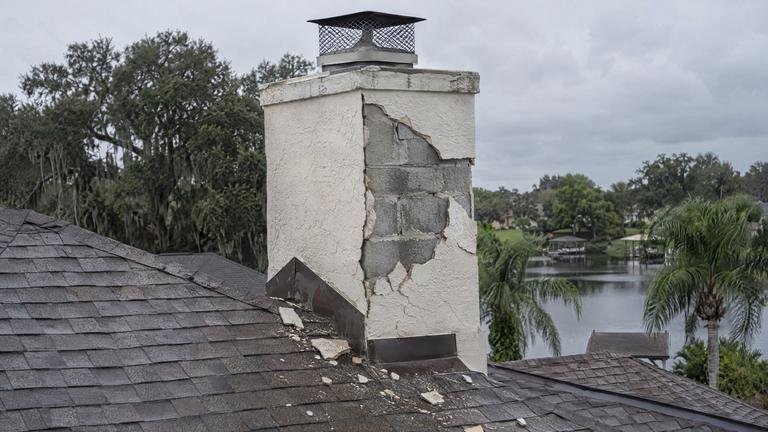
Loose chimney brick and open joints repaired in Milk District
Get a free inspection in Milk District and an honest answer on whether your chimney needs repair, monitoring or a structural look.
- Licensed & insured
- Locally run
- Family owned and operated
- Same-day service available



Masonry details we put in writing in Milk District
What our chimney masons check in Milk District, and how each finding shapes the repair you approve.
- Mortar color checked wet and dry
- Removal of old caulk, patches and loose mortar
- Water sources feeding the damage
- Breathable water repellent, only if suitable
Before you repair chimney masonry in Milk District
Questions every Milk District homeowner should have answered before chimney masonry is cut out.
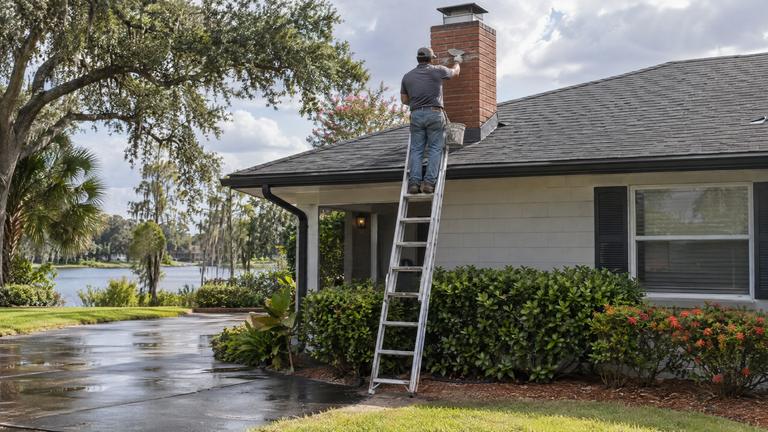
Looking at the chimney between visits
Periodic inspections of brick masonry, preferably each season, are what brick industry guidance suggests, with binoculars to see upper areas at close range.
You can do a simple version from the yard. Look for missing mortar, cracked or displaced brick, new stains and anything that has changed. If something looks different, let us know. Comparing what you see with the notes from our last visit tells us a lot before we even climb. A note on the calendar after storms and at the change of seasons is enough for most homeowners.
Masonry and flashing at the roofline
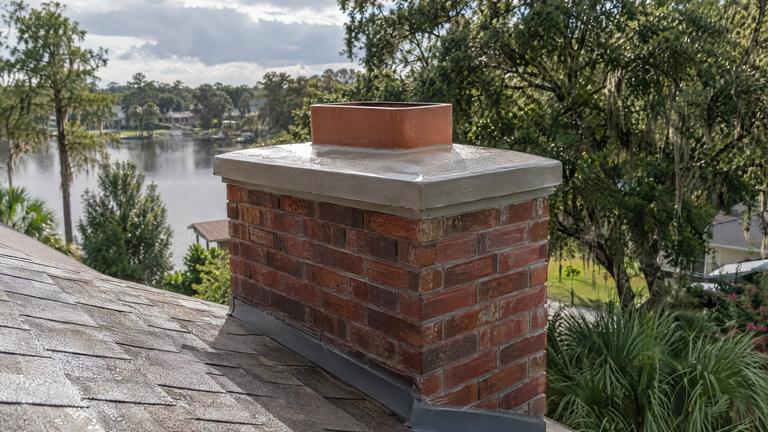
Counterflashing at the roofline is often set into the chimney's mortar joints. When those joints fail, the flashing can pull loose, and when the flashing fails, water soaks the masonry around it.
We look at both together. Masonry repair near the flashing is done with the flashing in mind, and any flashing repair or replacement is quoted separately, so you can see what each part of the fix involves. Where new counterflashing has to be cut into the masonry, the reglet is placed in a sound joint, and that joint is repaired first if it needs it.
Keeping brick faces clean during pointing
Mortar smeared across brick faces during repair is hard to remove once it sets and can leave a haze that outlines every repaired joint.
We work neatly at the joint, clean excess mortar from the faces before it hardens and brush the finished joints once they have firmed up. Brick industry guidance even suggests masking or a template for face grouting, for the same reason. Clean faces are also why the finished joints read as a single, even repair rather than a series of patches with haze around them.
Watching a crack instead of repairing it
Some fine cracks are old, stable and not letting water in. The honest advice for those can be to record them and watch for change rather than cut into sound masonry.
We note the location, width and length so a change can be spotted later. If a crack grows, lengthens or starts to stain, it moves onto the repair list. You only pay for work the chimney needs now, with a clear note of what to keep an eye on.
Other work in Milk District
-
-
-
-
-
-


Learn more about chimney masonry repairMilk District services
Related chimney masonry work


Masonry questions we hear in Milk District
What Milk District homeowners ask us before chimney masonry is repaired.
Do you remove old caulk and patches?
Yes, where they sit in the repair area. Sealant smeared over cracks and patches of the wrong material are taken out, because new work has to bond to clean, sound masonry rather than to an old patch.
Can you take an old antenna bracket off the chimney?
Yes, as part of a masonry repair. The residential code says a chimney should not carry loads beyond its own weight unless designed for them. We remove old brackets and repair the anchor holes and any joints they damaged.
Request your free estimate
Share the job details and arrange a free inspection with our local team.
- Free inspection
- No hidden fees
- Family owned and operated
Need an answer now? Call (352) 675-6376
Your request is received
Thank you. We will contact you to discuss the job and confirm an appointment.