
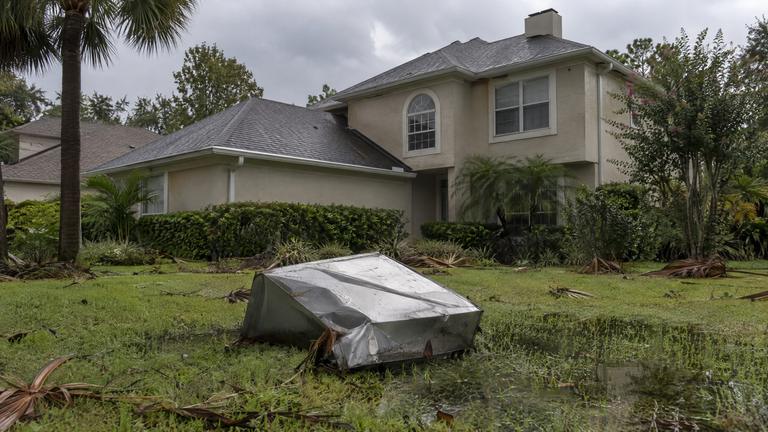
Chimney repair and diagnosis in Mills 50
Locally owned chimney repair for Mills 50 homes, with a 24/7 emergency line for damage that cannot wait.
- Licensed & insured
- Locally run
- Family owned and operated
- Same-day service available



What goes on a written chimney repair estimate
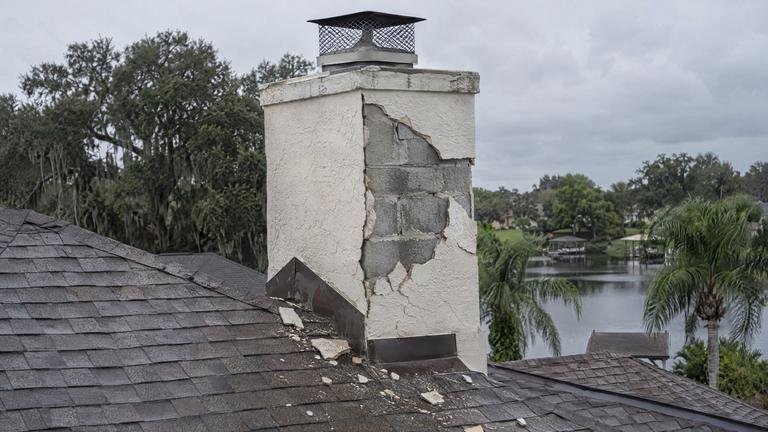
- Spalled or broken brick to replace
- Rust on lintels, support angles and ties
- Weep holes and through-flashing at a veneer base
- Old mounts and anchor holes to remove and patch
What a lasting chimney repair involves
Sealant at the top is a detail, not a cure
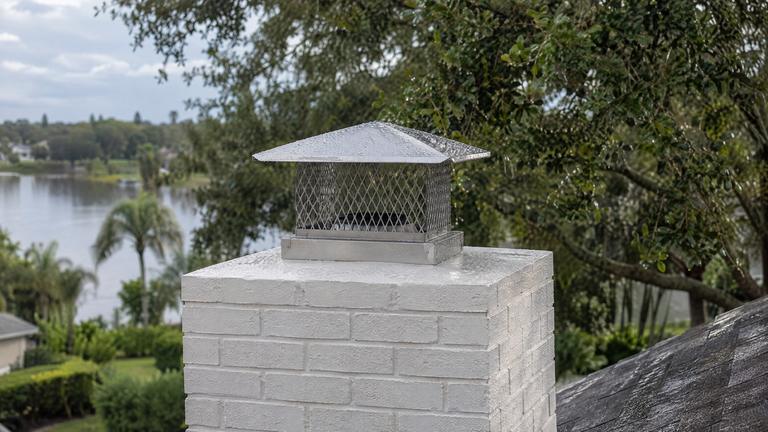
Sealant has a proper place on a chimney top, chiefly the joint where the cap meets the flue liner. BIA guidance treats it as part of the construction, to be detailed and installed with the same care as everything else, with proper priming and backing rope behind the bead. It also says oil-based sealants should not be used.
The same guidance warns that caulking is often treated as a way to correct or hide poor workmanship. A thick bead smeared over a cracked crown or a loose top course may look like a repair from the ground. It covers the defect rather than fixing what caused it, and it hides the damage from the next person who looks.
Sealant goes only where it belongs, and old caulk covering a defect comes off so the defect can be judged. The estimate says where sealant is used and what it is sealing.
Rust on a steel lintel or support angle
Some chimneys and fireplaces rely on steel to carry masonry. Over a fireplace opening, the Florida Building Code has the masonry supported by a noncombustible lintel with bearing at each end, and brickwork elsewhere can sit on steel shelf angles.
Rust on steel that carries brick is more than a stain. BIA maintenance guidance lists accumulated rust on lintels or shelf angles among the conditions it treats as structural, the kind that warrant a professional engineer's investigation.
Light surface rust and accumulated rust are not the same finding, and the difference is checked up close. At your Mills 50 home, a lintel with heavy rust is written on the estimate as a structural item with an engineer's evaluation recommended, not as a paint job.
- Rust building up in layers on the exposed steel
- Cracked mortar joints just above the steel
- Brick over the opening that has dropped out of line
Cleaning comes before a masonry flue repair
Under NFPA 211, chimneys, fireplaces and vents get looked at every year for soundness, built-up deposits and correct clearances, and they are cleaned, kept up or repaired wherever that look shows a need. Deposits sit in the same sentence as soundness for a reason. A flue lined with soot and creosote hides the surface you need to judge.
Cracked tile, open joints and flaking parging all sit under that coating. EPA wood-burning guidance says creosote tends to build up with restricted air, unseasoned wood and a chimney that runs cooler than normal, so a flue that has seen heavy use can carry enough of it to hide real damage.
That is why a repair on a used masonry flue normally starts with a sweep. Our chimney sweep service cleans the flue first, and the lining is judged bare. For your Mills 50 home, the sweep and the repair appear as separate lines so the order of the work is clear from the start.
Damage left by animals getting in
Birds, squirrels, raccoons and other animals get into chimneys through a missing cap, a torn screen, a gap at the chase top or a cleanout door that no longer closes. What they leave behind is the repair problem.
Chimney swifts need special care. They are protected under the Migratory Bird Treaty Act, and when swifts are nesting in a flue, work there waits until they have left.
Once the animals are out, our chimney animal removal service clears the nesting material and the entry point is closed, whether that takes a new cap, a screen, a chase top repair or a new cleanout door. Removal and repair are listed separately on the estimate, and the damage found tends to look like this.
- Nests and debris packed in the flue
- Chewed or bent screens and caps
- Droppings and nesting material on the damper
Other work in Mills 50
-
-
-
-
-


Quick answers on chimney repair
What should I look for in a chimney repair company?
Look for a company that finds the cause before quoting and names each damaged part in writing. You should see the fix, the material and the price for every line, and nothing should start until you approve. Our family-owned team works that way, and the inspection that begins it is free.
What happens when the chimney has several problems at once?
We list each problem on one written estimate and put them in order, safety items first, then anything letting water in, then finish work. You can approve everything together or plan it in phases. Items that have to be done together are marked that way.
Request your free estimate
Share the job details and arrange a free inspection with our local team.
- Free inspection
- No hidden fees
- Family owned and operated
Need an answer now? Call (352) 675-6376
Your request is received
Thank you. We will contact you to discuss the job and confirm an appointment.