
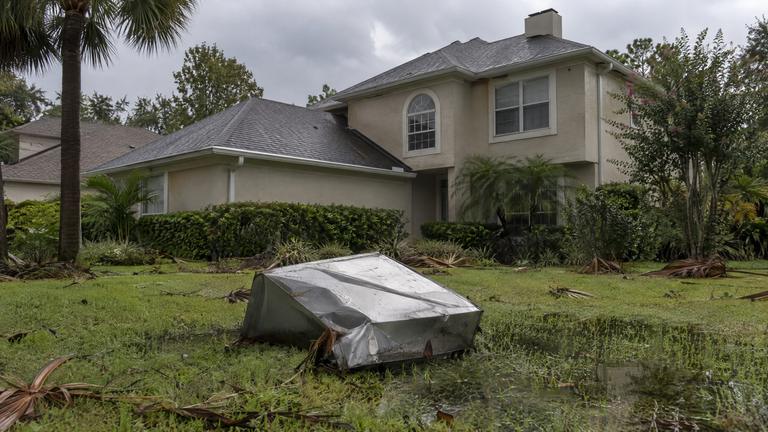
Family-owned chimney animal removal in Ocoee
Birds, bats and raccoons each follow different rules. Our Ocoee chimney specialists explain yours before any work starts.
- Licensed & insured
- Locally run
- Family owned and operated
- Same-day service available



The parts of an animal removal job in Ocoee
- Nest material removed from the flue
- Chimney sweep after nesting
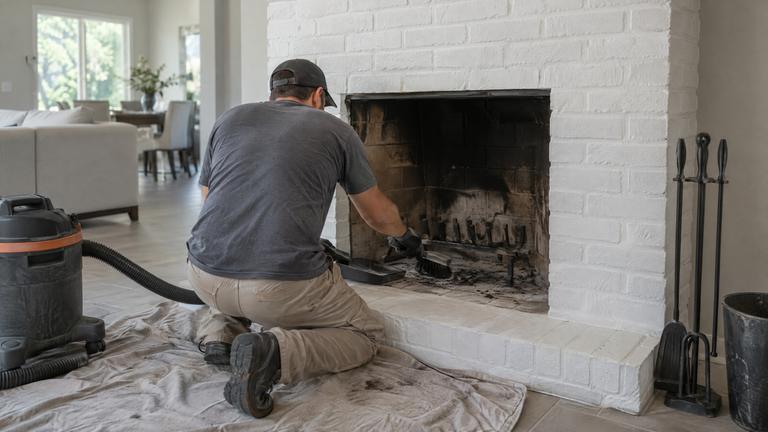
- Room protected during cleanup
- Free inspection and written estimate
Our approach to chimney wildlife in Ocoee
Raccoons that use a chimney as a den
A raccoon may treat a masonry chimney as a sheltered den, and a mother may raise her young on the smoke shelf above the damper. Separating a mother from her young creates a new problem, and cornered raccoons can be dangerous. The plan usually works around the family leaving, sometimes with a wildlife specialist encouraging the move. Our part is to keep the damper sealed, then clean and cap the chimney once it is empty. Raccoon droppings also need careful handling during cleanup, so the smoke shelf is cleared with protective gear.
Removing a dead animal from the chimney
An animal that dies in a chimney announces itself with odor and sometimes flies around the fireplace. Removal means locating it, which may be on the smoke shelf, in the flue or inside a chase, and taking it out without scattering debris into the house. We then clean the area it occupied and look for how it got in, so the cap or repair can close that route. Removal from inside a factory-built chase can need access at the top of the enclosure, which we explain before starting.
A cap that seats with no gaps
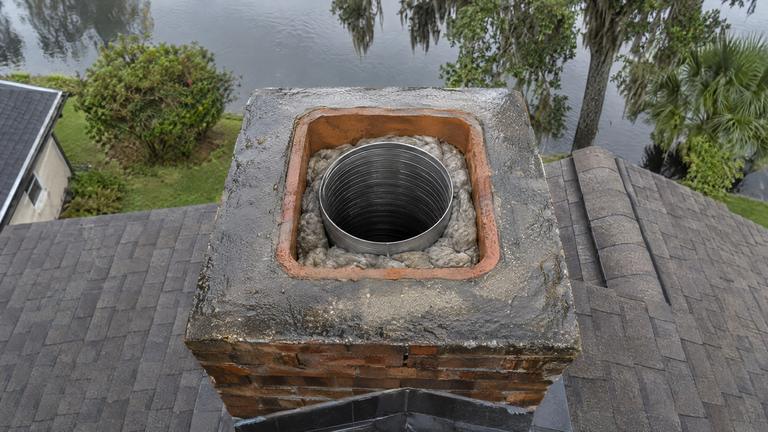
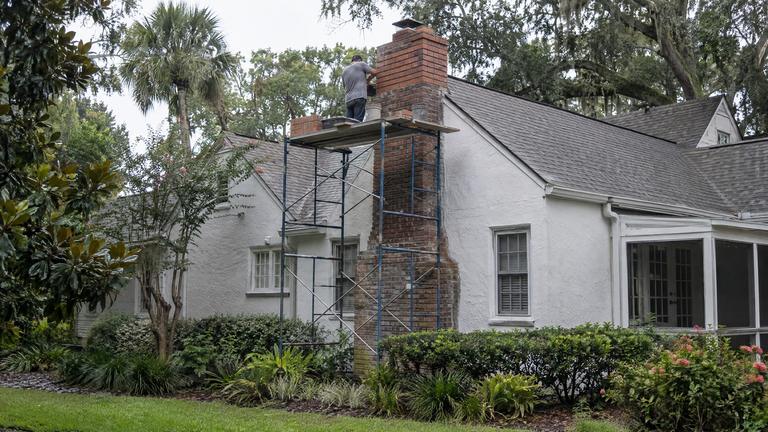
A cap that is too small for the flue or has worked loose leaves space at its base where a determined animal can squeeze through. Flue-mounted caps must match the outside of the flue tile, and crown-mounted caps must sit flat on the crown. We measure before ordering and fasten the cap so it stays seated, then check the base all the way around once it is on. On a crown that is uneven or cracked, the cap may need a repaired surface before it can sit tight.
Why the cap goes on last
Capping a chimney with an animal still inside traps it, and a trapped animal dies in the flue or tears at the cap. That is why the cap is always the last step. We confirm the chimney is empty by inspection and by the history of sounds, and for protected birds and bats we wait for the lawful window. Then the flue is cleaned and the cap is fitted. If you need the chimney closed sooner, we explain what can be done lawfully in the meantime, such as sealing the damper.
Other work in Ocoee
-
-
-
-
-
-


Asked in Ocoee about chimney animal removal
What does the code say about a chimney cap screen?
For masonry chimneys, the Florida residential code (R1003.9.2) calls for screen openings that do not pass a 1/2 inch sphere nor block a 3/8 inch sphere, a net free area at least four times the flue outlet and a screen that can be removed for cleaning. We size the cap to those rules.
Will you cover the chimney if the job takes more than a day?
Yes. When a chimney is left open at the end of a work day, we cover it before we leave, and we clean up and haul away the nest material and debris when the job is done.
Request your free estimate
Share the job details and arrange a free inspection with our local team.
- Free inspection
- No hidden fees
- Family owned and operated
Need an answer now? Call (352) 675-6376
Your request is received
Thank you. We will contact you to discuss the job and confirm an appointment.