
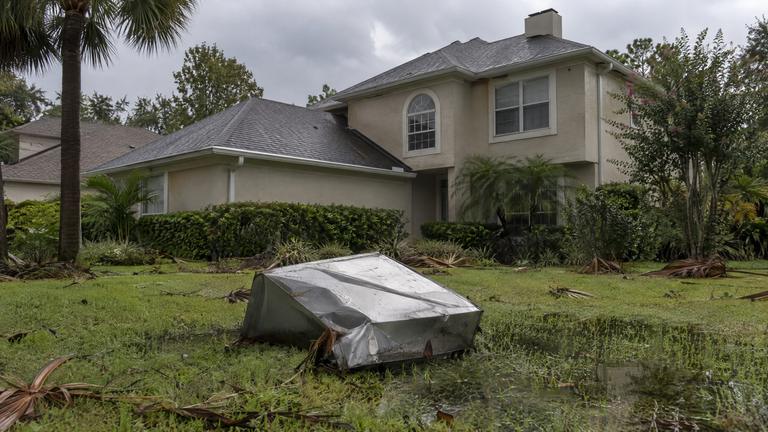
Chimney chase repair with a written estimate in Paradise Heights
Protect the chimney inside your chase. Free inspection, upfront pricing and 10% off in Paradise Heights when you book within 72 hours after it.
- Licensed & insured
- Locally run
- Family owned and operated
- Same-day service available



Each chase repair line, spelled out in Paradise Heights
- Moisture readings across each face of the chase
- Step or L flashing where the chase meets shingles
- Wiring or insulation moved out of the clearance
- Cover replacement listed as its own line
Building a chase back the right way
Front and back flashing that follows the shingle maker
The downslope face of a chase gets an apron flashing that lies over the shingles, and the upslope face gets a back flashing or a cricket. Under R905.2.8.4, chimney flashing on a shingle roof is applied following the asphalt shingle manufacturer's instructions.
So the details can change with the shingle brand, and a repair should follow the instructions for the roof you actually have. A bead of tar along the joint is not flashing. It usually hides a gap rather than closing it, and it can trap water against the siding.
We look at the apron and back flashing whenever the lower chase siding is off. Your estimate states whether that flashing is reused, replaced or left for a roofer, so nobody assumes someone else handled it. If the apron has been caulked or tarred over, the old material comes off so the flashing can be judged properly.
Corrosion-resistant flashing and fasteners
Flashing and fasteners on a chase sit against wet wood and damp air, year after year. Under the Florida Building Code, metal flashing has to be corrosion resistant, both on walls under R703.4 and at roof intersections under R903.2.1. Stucco lath and its attachments have to be corrosion resistant too, under R703.7.1.
Plain steel nails and bare steel flashing can rust, stain the siding and lose their hold. A rusty streak below a nail head is often the first mark you notice on painted siding. Once a nail rusts through, the siding it held starts to move and the hole it leaves lets in water.
Our crew uses corrosion-resistant fasteners and flashing made for exterior work, and follows the siding maker's fastener instructions where they are more specific. Your Paradise Heights estimate names the flashing material, so you know what went into the wall.
The water-resistive barrier behind the siding
Behind the siding of a chase there should be a water-resistive barrier, a sheet of building paper or house wrap over the sheathing. R703.2 calls for at least one layer, continuous behind the siding, and felt or similar sheet barriers go on horizontally with the upper layer lapped over the lower one.
Siding sheds most rain, but some gets past it sooner or later. The barrier is what catches that water. When the barrier is torn, lapped backwards or taped in the wrong order, water behind the siding goes straight into the sheathing.
Our crew in Paradise Heights replaces torn or brittle barrier in every section we open and laps the new sheet into the old in the right order. Small tears are patched by slipping the new piece under the layer above it. Where the barrier was missing entirely, we tell you so, and the new barrier gets its own price.
Carrying the barrier to the top of the chase walls
The top of a chase is where the barrier often goes wrong. Florida's code, in R703.2, calls for the barrier to run continuous to the top of walls and to be finished at penetrations so the wall stays weather-resistant. On a chase, that top edge sits right under the metal cover.
If the barrier stops short of the top plate, water that gets past the cover edge lands on bare sheathing. If it ends in a way that lets water track behind it, the result is the same.
With the upper siding off a chase in Paradise Heights, our crew runs the barrier up to the top plate and laps it so water sheds onto it, not behind it. That detail disappears once the siding is back, which is why it gets checked before the first board goes on.
Other work in Paradise Heights
-
-
-
-
-


Learn more about chimney chase repairParadise Heights services
Your chase repair questions, answered
Do you work with my roofer?
Yes. Flashing at the chase base sits between the roof and the chase, so we agree with your roofer on who replaces which pieces before work starts. The written estimate spells out that split.
What happens to the chimney pipe while you work on the chase?
The pipe stays in place and is protected while the framing around it is replaced. Our crew keeps the listed air space clear and puts firestops, shields and supports back where the chimney maker's instructions call for them.
Request your free estimate
Share the job details and arrange a free inspection with our local team.
- Free inspection
- No hidden fees
- Family owned and operated
Need an answer now? Call (352) 675-6376
Your request is received
Thank you. We will contact you to discuss the job and confirm an appointment.