
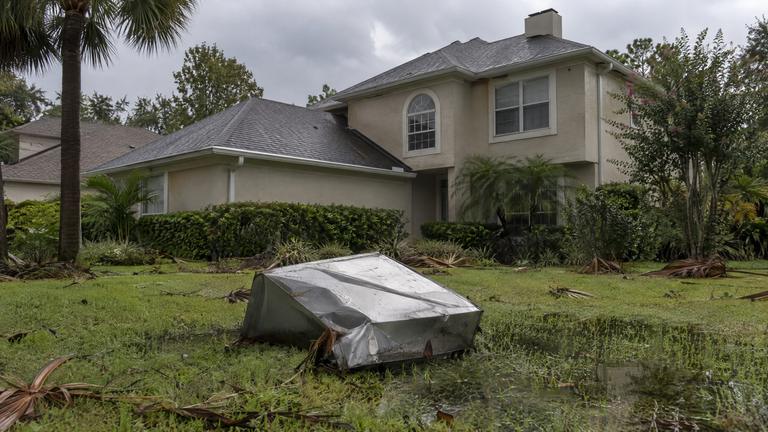
Loose stones reset and joints repointed on Park Central chimneys
Local experts in Park Central who find where water gets behind the stone before resetting a single piece.
- Licensed & insured
- Locally run
- Family owned and operated
- Same-day service available



Stone findings that shape your Park Central quote
What our stone specialists in Park Central record before any quote goes out.
- Deep joints filled in layers
- Joints tooled to match the existing profile
- Mortar smears brushed off after setting
- Cleaning timed after the mortar hardens
Before your stone chimney is repaired in Park Central
Stones, joints, cap and base, in the order our Park Central team checks them.
Sealers on stone, used with care
One manufactured stone maker states that sealers are not necessary on its products. If one is used, it should be a breathable silane, siloxane or silane-siloxane blend, and the maker warns that sealers may darken the stone and slow the natural movement of moisture out of it, raising the chance of efflorescence or spalling.
For natural stone, the sealer's own data sheet decides whether it suits the stone. We recommend a sealer only when there is a clear reason, and we name the product in writing.
A sample area before the full repoint
Preservation guidance recommends test panels to set an acceptable standard of work before a larger job proceeds. On a chimney, that means a small sample of repointed joints in an area you can see.
The sample lets you judge color, texture and joint profile against your stone after it dries. If you want a change, it is made before the rest of the chimney is done. Once the sample is approved, the whole repair matches it.
Veneer that bulges or pulls away
When a section of stone veneer bows outward or shows a gap at its top edge, the bond behind it has failed. The cause may be corroded lath, a thin scratch coat, poor mortar coverage or water trapped behind the stone.
Surface fixes do not reach any of those. With your approval, the loose section is removed, the backing is checked layer by layer and rebuilt as needed, and the stones are reset with full coverage. The findings explain what failed and why.
Moss, algae and dirt on stone
Shaded sides of a stone chimney can hold moisture long enough for moss and algae to grow in the joints and on the stone. The growth holds water against the surface and can darken the stone.
We start with the gentlest cleaning that works, water, a mild detergent and a soft or bristle brush, and avoid pressure and harsh chemicals on the stone and joints. Where growth keeps returning, the findings note the moisture that feeds it.
Why we do not pressure wash stone chimneys
High pressure water drives water deep into joints, erodes mortar and can scar softer stone. One manufactured stone maker rules out power washing and sandblasting on its product.
If a stone chimney has been pressure washed in the past, we look for eroded joints and damaged faces during the inspection. Cleaning we do is done by hand with low-pressure rinsing, so the stone and joints keep their surfaces.
Other work in Park Central
-
-
-
-
-


Quick stonework facts for Park Central chimneys
Our family-owned team in Park Central hears these stone questions on almost every visit.
How do I know if my chimney is natural stone or veneer?
Thin stones with a flat back over a mortar bed, a metal screed at the base or a framed chase usually mean manufactured or thin veneer. Solid stone chimneys have thick units that pass through the wall. We identify yours at the free inspection.
How long before new stone joints can be cleaned?
New mortar needs time to harden fully before any cleaning beyond a dry brushing. Preservation guidance suggests about thirty days is usually enough before cleaning a freshly repointed wall, depending on weather and exposure. We tell you when it is safe to clean.
Request your free estimate
Share the job details and arrange a free inspection with our local team.
- Free inspection
- No hidden fees
- Family owned and operated
Need an answer now? Call (352) 675-6376
Your request is received
Thank you. We will contact you to discuss the job and confirm an appointment.