
Your local chimney sweep in Pershing
Chimney cleaning with no hidden fees and a workmanship warranty, plus same-day visits in Pershing when the schedule allows.
- Licensed & insured
- Locally run
- Family owned and operated
- Same-day service available



The work behind a clean flue
- Smoke chamber brushed on every sloped face
- Room covered and fireplace opening sealed
- Extra passes for heavy buildup priced up front
- Brush chosen for clay tile or stainless liner
What goes into a proper chimney sweep
Heavy creosote removal in a narrowed flue
A flue is sized to carry the smoke from its fireplace. The Florida Building Code requires the passage above a masonry firebox, through the throat, damper and smoke chamber, to be no smaller in cross-section than the flue itself. Heavy creosote works against that design by thickening on the walls until the opening is narrower than it was built to be.
A narrowed flue can slow the smoke, and EPA guidance notes that the longer smoke stays in the flue, the more creosote forms. Heavy creosote removal takes more passes, stiffer brushes and more time in the smoke chamber than a routine cleaning.
When our technicians find buildup that thick in your Pershing chimney, they price the extra passes in the written estimate before starting and tell you whether any section has glazed and needs a separate treatment.
Clearing ash, grate and debris from the firebox
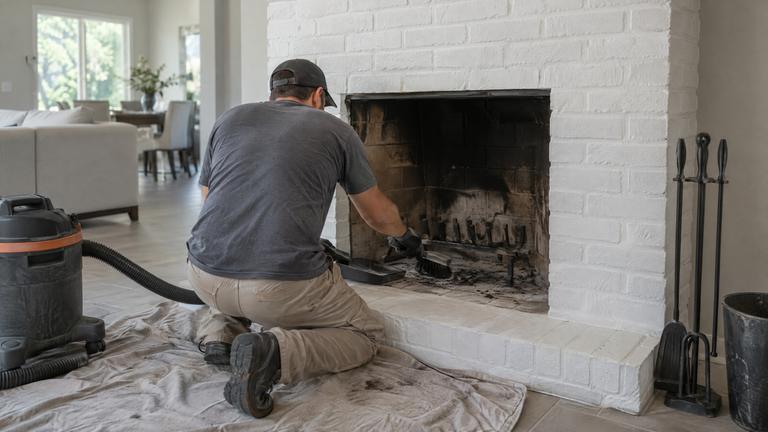
The firebox is where the sweep starts and ends. Before any brushing, our technicians remove the grate, andirons and old ash, so the floor and walls can be seen and the debris from above has somewhere clean to land.
After the flue and smoke chamber are done, the firebox gets cleaned again. The walls are brushed down, the floor is scraped and vacuumed, and any ash dump door in the floor is opened and checked. The grate and andirons are brushed off outside, so their soot stays out of the room, and go back in place last.
With the firebox clean, the firebrick and the mortar joints between the bricks are easy to see. Cracked bricks or open joints are fireplace repair work, and our crew notes them on your written estimate instead of hiding them under a fresh cleaning.
The first fire after your chimney is swept
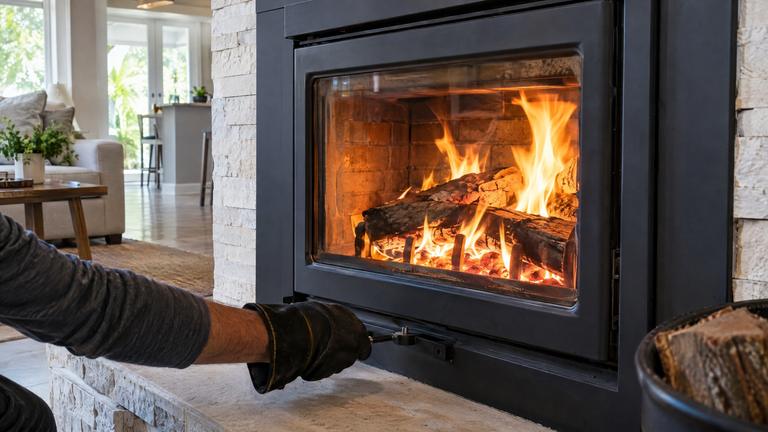
After a sweep, the first fire is a good test of how the chimney draws. Build a small fire with dry, split, seasoned wood, open the damper fully before lighting and watch how the smoke rises. Keep that first fire modest instead of loading the firebox.
A clean flue with a working damper should draw steadily once the fire is going. Smoke that keeps rolling out of the opening after startup means something is still wrong, and the fireplace should wait until the cause is found.
Before they leave, our technicians in Pershing tell you if anything from the sweep affects that first fire, such as a damper that needs a firm pull or a glazed treatment that is still drying. That note goes into the written record, along with where the damper handle sits when it is fully open.
An older wood stove and the deposits it leaves
Older wood stoves were built before today's cleaner-burning designs. EPA guidance notes that newer stoves meeting its emission standards burn more efficiently and leave less creosote buildup in the chimney than older models.
That does not make an older stove unsafe by itself, but its chimney tends to collect deposits faster and deserves close attention. Hot fires and dry wood help any stove, old or new.
When our crew sweeps an older stove's chimney, the deposits and the connector pipe show how it is doing. A rusting pipe or worn door gaskets are noted as their own items, each with a plain description of what our crew saw. Replacing a stove is your call, and we do not push it. Either way, the sweep itself is the same careful job.
Other work in Pershing
-
-
-
-
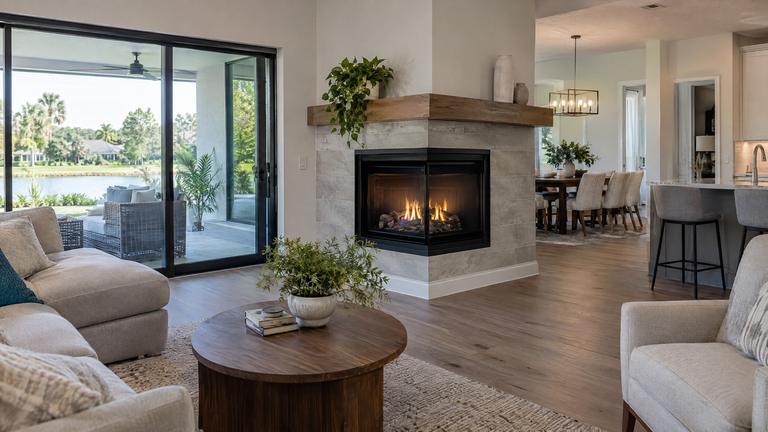
-
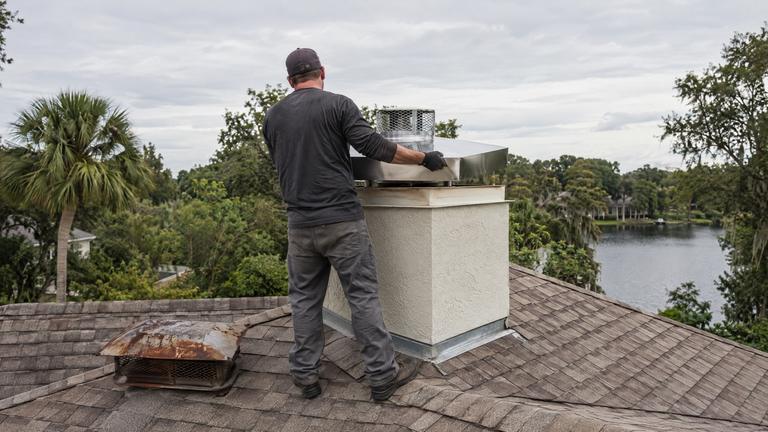
-
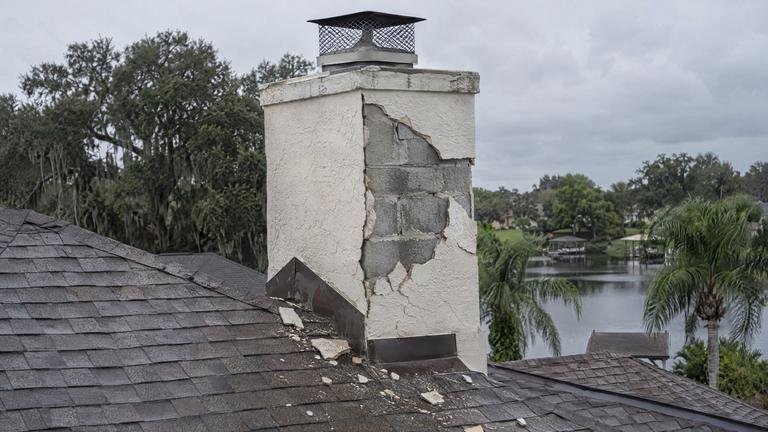


Learn more about chimney sweep and chimney cleaningPershing services
Related chimney sweep work

Common questions about chimney sweeping
Can you sweep a chimney that has birds or animals in it?
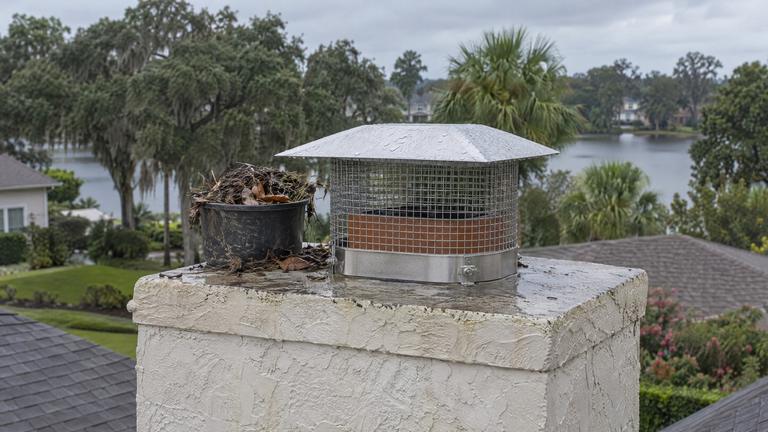
Not while they are inside. Chimney swifts are federally protected, so the sweep waits until they leave, and bats or other animals are handled by our animal removal service before any cleaning. Once the flue is clear, we sweep it and quote a cap to keep them out.
Do I need to be home for the chimney cleaning?
Someone needs to let our crew in and approve the written estimate, and we go over the record with you at the end. For rentals and seasonal homes we can work with a caretaker or property manager and send the record afterward.
Request your free estimate
Share the job details and arrange a free inspection with our local team.
- Free inspection
- No hidden fees
- Family owned and operated
Need an answer now? Call (352) 675-6376
Your request is received
Thank you. We will contact you to discuss the job and confirm an appointment.