
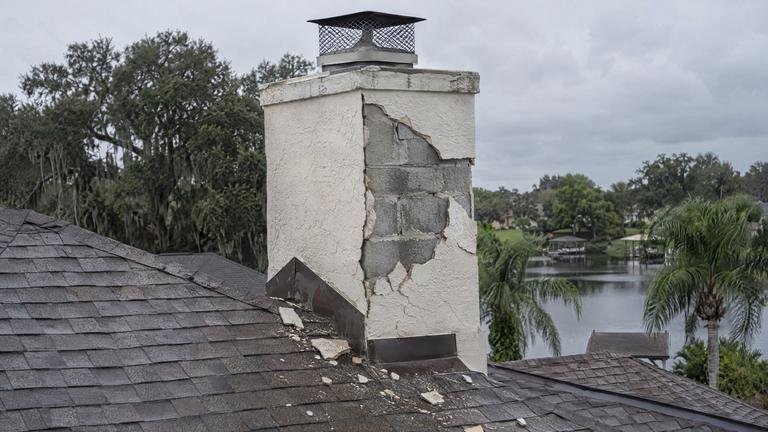
Chimney masonry contractor for repairs in Pineloch
Start with what you see from the yard. Our local pros in Pineloch check the masonry up close and put the repair scope in writing.
- Licensed & insured
- Locally run
- Family owned and operated
- Same-day service available



Checked before any joint is cut in Pineloch
Each point below is looked at on the brick of your Pineloch chimney before any joint is touched.
- Cracked or broken brick in the repair area
- Mortar type named for the existing masonry
- Crown, cap and flashing findings on separate lines
- Roof and landscaping protection
Chimney masonry details that matter in Pineloch
Questions every Pineloch homeowner should have answered before chimney masonry is cut out.
Why repointing skill matters
Technical Note 46 makes a point worth repeating. An excellent mason may not be a qualified repointing craftsperson, and the potential for power tools to damage the surrounding brick should be weighed before work starts.
Repointing is slow, careful work at the edges of old brick. On chimneys it is done on a roof, around flashing and close to the flue. We plan the tools for each part of the job and slow down where the brick is soft or the joints are thin.
Dampening the joints before filling
Joints are dampened before repointing, under brick industry guidance, while letting the brickwork absorb all surface water so the mortar can bond. Dry, thirsty brick pulls water out of fresh mortar too quickly, and a wet, glistening joint weakens the bond.
Getting that balance right depends on the brick and the day. We judge it on site rather than following a fixed routine, especially on a sunny chimney top. In strong sun, that may mean dampening the joints more than once as the work moves across the chimney.
What the wrong mortar does to brick
A mismatched mortar can spall and crack the brick already in the wall, Technical Note 46 warns, which is why new mortar should share the physical properties of the old.
It is one reason a chimney can seem to need repairs again soon after the last one. When we find hard patch mortar around damaged brick, we explain the connection and replace it as part of the repair area, not just the bricks it has already damaged.
A water repellent after the repairs
Water repellents may be used to correct minor deficiencies that remain after repairs, or to reduce the water absorbed by masonry in extreme exposures. Technical Note 46 names chimneys among those exposures.
Order matters here. A repellent does not close open joints or replace broken brick. We repair the masonry first and only then discuss whether a repellent suits your chimney, priced as its own item. If the masonry has not fully cured after the repair, any repellent waits until it has, following the product's instructions.
Other work in Pineloch
-
-
-
-
-


Related chimney masonry work


Chimney masonry questions from Pineloch
What Pineloch homeowners ask us before chimney masonry is repaired.
Why not use the strongest mortar available?
Because stronger is not better in repair work. Brick industry guidance says repointing mortar should not exceed the strength of the original, since harder mortar can push stress into the brick and spall its face.
Why are there white deposits on my chimney?
White deposits usually mean water is moving through the masonry and leaving dissolved minerals behind as it dries. Brick industry guidance says to find and fix the water source first, or the deposits come back. We look for that source during the inspection.
Request your free estimate
Share the job details and arrange a free inspection with our local team.
- Free inspection
- No hidden fees
- Family owned and operated
Need an answer now? Call (352) 675-6376
Your request is received
Thank you. We will contact you to discuss the job and confirm an appointment.