
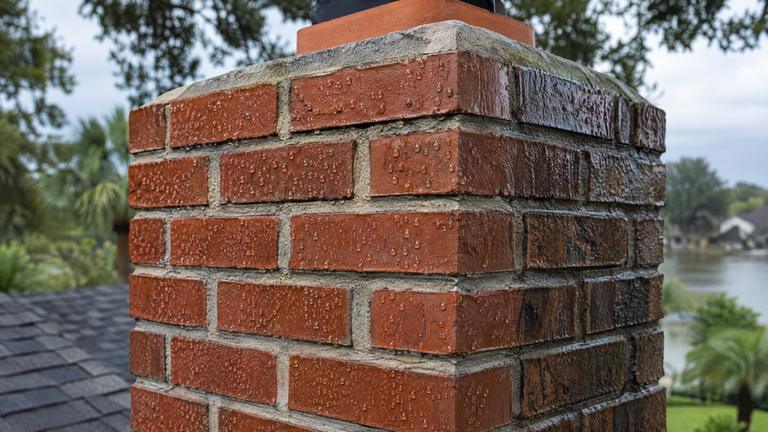
Breathable chimney waterproofing across Plymouth
Sound masonry first, a breathable repellent second. Book a free chimney inspection in Plymouth with our family team today.
- Licensed & insured
- Locally run
- Family owned and operated
- Same-day service available



What your chimney waterproofing estimate in Plymouth covers
These items keep a waterproofing job in Plymouth from sealing in a problem that needed a repair.
- Condition of the brick faces above the roofline
- Surface cleaning needed before application
- Protection for roof shingles, windows and plants
- Stucco or stone surfaces and the product that suits them
Getting chimney sealing right on Plymouth homes
A closer look at the work, from our family-owned crew serving Plymouth.
Treating a test area first
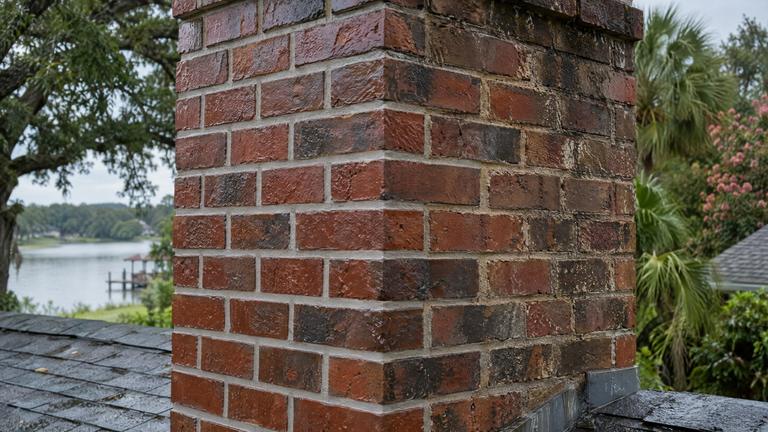
Brick varies from kiln to kiln and mortar from batch to batch, so product makers and masonry guidance both recommend a test area before general application. The Brick Industry Association suggests at least ten square feet at a representative spot, left to cure and then checked.
On a chimney, we choose a face you can see and one that represents the rest of the masonry. When the test cures, we look at the appearance and how water behaves on it. If you are not happy with the look, we stop there and talk through other options before treating anything else.
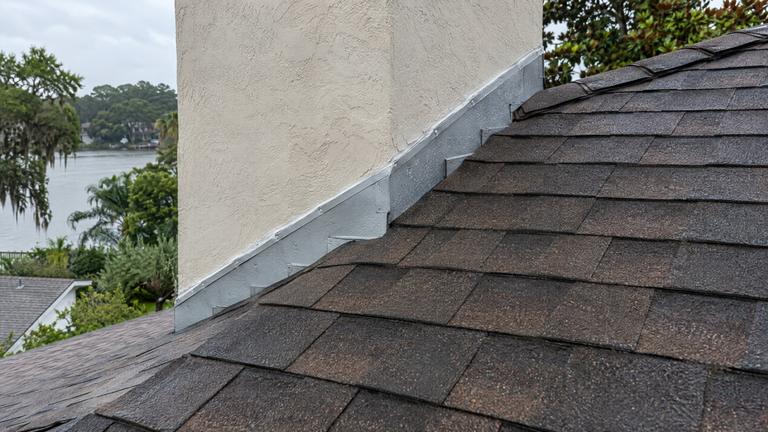
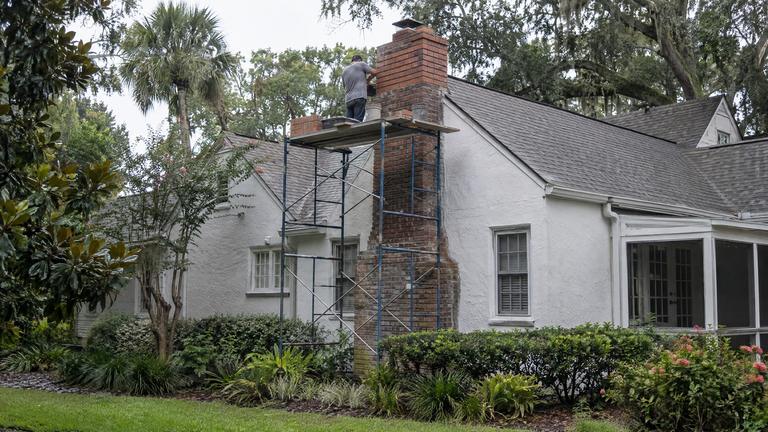
Waterproofing a stucco chimney
Stucco is a cement-based surface with its own pores and its own cracks. Some masonry repellents list portland cement stucco on their data sheets. The ChimneySaver water-base product is one, with a separate coverage rate for stucco.
Before any product goes on, we look for cracks, soft spots and areas where the stucco has come away from the chimney behind it. Those are repair items and sit on their own lines. Once the stucco is sound and dry, a listed repellent can reduce how much water the surface absorbs.
Watching how the brick takes water
One simple part of our inspection is watching how the masonry behaves when it gets wet. Porous brick darkens quickly and drinks water in. Sound, dense brick stays lighter and lets water run off. Joints often tell a different story from the brick around them.
What we see goes into the recommendation. A chimney that drinks water across sound faces may benefit from a repellent. A chimney where water disappears into one joint or crack needs that spot repaired first. We explain what we saw in plain language, so the plan makes sense to you.
Repellents wear and need renewing
No masonry repellent lasts forever. Masonry guidance is clear that water repellents are not a permanent solution and will require reapplication, and how long one holds up depends on the product, the exposure and the masonry.
Premature reapplication has its own risk, since extra coats can reduce the vapor permeability of the brick. So we do not put chimneys on a fixed schedule. Instead, we suggest checking whether rain still beads on the treated faces and asking us to look when it clearly does not. The product record on file makes the next coat an easy decision.
Other work in Plymouth
-
-
-
-
-
-


Your Plymouth chimney waterproofing questions, answered
Our family-owned team in Plymouth answers the questions that come up on sealing jobs.
Will the treatment change how my chimney looks?
A penetrating repellent is made to leave little or no gloss, and most chimneys look much the same afterward. Dense brick can darken slightly, and existing stains may show more. We treat a test area first when appearance matters to you.
Our chimney is new. Does it need a repellent?
Usually not. Masonry guidance does not recommend repellents on newly built brick veneer, and well-built brickwork handles water on its own. A new chimney that takes water points to the crown, the flashing or joints that were not filled, and those get checked first.
Request your free estimate
Share the job details and arrange a free inspection with our local team.
- Free inspection
- No hidden fees
- Family owned and operated
Need an answer now? Call (352) 675-6376
Your request is received
Thank you. We will contact you to discuss the job and confirm an appointment.