
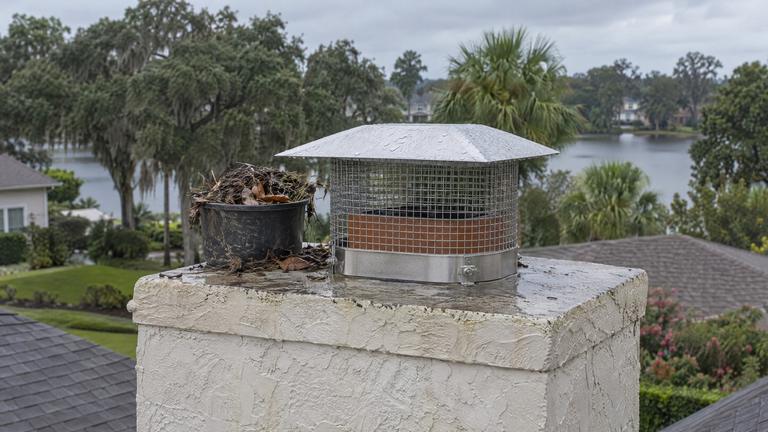
Chimney animal removal and cleanup in Robinson Hills
Scratching, chirping or fluttering in your Robinson Hills chimney? Our family-owned team assesses it and plans the lawful next step.
- Licensed & insured
- Locally run
- Family owned and operated
- Same-day service available



Step by step for your Robinson Hills chimney
- Assessment of the animal and any nesting
- Damper operation and seal checked
- Room protected during cleanup
- Repairs priced as separate items
Keeping Robinson Hills chimneys empty and clean
Clearing the odor after removal
Odor can outlast the animal because nest material, droppings and fluids soak into debris on the smoke shelf and firebox floor. Taking the animal out is only part of the job. We remove the soiled material, clean the surfaces we can reach and check the flue for anything left above. If odor remains after cleanup, we look again rather than covering it with a fragrance. Warm weather can make a lingering odor stronger, so tell us if it returns after a few days.
A top-sealing damper as a second barrier
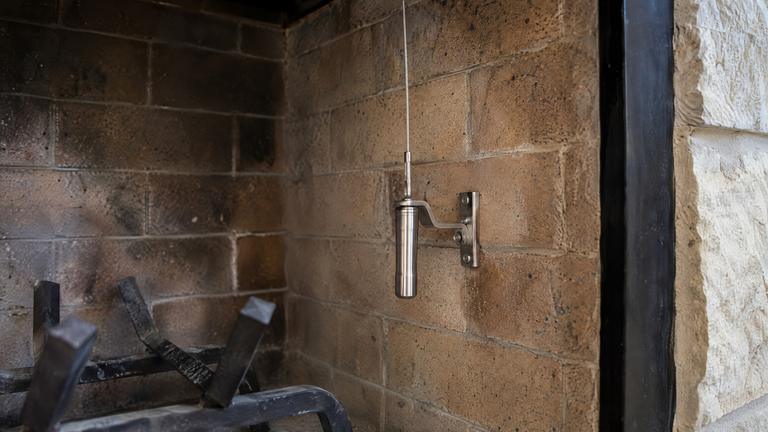
A top-sealing damper is a lid at the top of the flue that closes against a gasket and is opened with a cable from the firebox. When closed, it shuts the flue against animals, rain and outside air. It must be fully open whenever the fireplace is used. For chimneys that animals keep visiting, top-sealing damper installation can add a second barrier alongside a screened cap. Because it seals at the top, it also keeps rain and debris out of the flue while the fireplace is not in use.
Nest material and creosote together
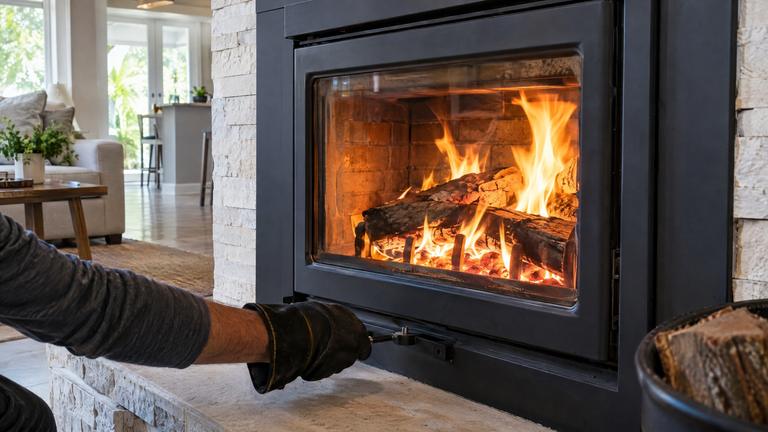
In a wood-burning chimney, dry nest material sits on or near creosote that has built up on the flue walls. Both are combustible, and together they make the flue a poor place for a fire. That is why the fireplace stays off until both are cleared. A chimney sweep removes the creosote, and our cleanup removes the nest, before any fire is lit again. On a chimney that sees regular fires, the sweep and nest removal are easiest to do on the same visit.
Exclusion before the opening is sealed
For bats, and as a principle for every animal, the opening is sealed only after the animals inside have had a way out. With bats, exclusion devices do that job outside the maternity season. With other animals, it may mean waiting for departure or having a specialist remove them. Sealing first is how animals end up trapped and dying in a chimney, which is why we never do it. The same principle applies to a chase or an attic opening near the chimney, which is sealed only once it is empty.
Other work in Robinson Hills
-
-
-
-
-


Learn more about chimney animal removalRobinson Hills services
Before you call about an animal in Robinson Hills
What does the code say about a chimney cap screen?
For masonry chimneys, the Florida residential code (R1003.9.2) calls for screen openings that do not pass a 1/2 inch sphere nor block a 3/8 inch sphere, a net free area at least four times the flue outlet and a screen that can be removed for cleaning. We size the cap to those rules.
What if the noises stop on their own?
Quiet can mean the animal left, or that it is stuck or has died. Keep the fireplace off and have the chimney checked before the next fire, since a nest or remains can still block the flue.
Request your free estimate
Share the job details and arrange a free inspection with our local team.
- Free inspection
- No hidden fees
- Family owned and operated
Need an answer now? Call (352) 675-6376
Your request is received
Thank you. We will contact you to discuss the job and confirm an appointment.