
Family-owned smoke chamber repair serving Roosevelt Park
Our Roosevelt Park fireplace specialists read the chamber shape, the smoke shelf and the damper area before recommending a repair.
- Licensed & insured
- Locally run
- Family owned and operated
- Same-day service available



The chamber estimate for your Roosevelt Park home
In Roosevelt Park, these findings decide between a light cleaning, a smooth coat or masonry repair first.
- Joints and gaps between chamber courses
- Smoke shelf cleared, checked and repaired
- Coating mixed away from interior finishes
- Permit requirement checked for rebuild work
Chamber know-how from our Roosevelt Park crew
Parging, shelf work and the rules behind them, as our crew in Roosevelt Park applies them.
How corbelled chamber walls step inward
In a corbelled chamber, every brick course is stepped inward past the course beneath it. Stacked this way, the courses form a series of small ledges that close the chamber toward the flue. The method is sound masonry, but the inside face ends up rough.
Every ledge is a place for soot, creosote and mortar crumbs to rest. That is why the code asks for corbelled chamber walls to be parged smooth, and why stepped chambers are the usual candidates for parging.
What open joints do to the chamber wall
Mortar joints inside a chamber are exposed to heat, moisture and acidic deposits every time the fireplace is used. Over the years, some of that mortar can erode and leave open channels between bricks.
An open joint is a short path for heat and gases into the wall. It also gives deposits a place to lodge where a brush cannot reach. We rake out loose material, fill the joints with refractory mortar and then parge, so the wall is sealed and smooth from the throat to the flue.
- Heat reaches deeper into the wall
- Deposits lodge out of brush reach
- Loose mortar falls onto the damper
Working from the flue down
Those directions begin the coat up high, beside the flue liner, and bring it down toward the damper. Beginning at the top keeps fresh material from dropping onto finished areas below.
Access decides how this happens in each fireplace. Some chambers let us reach the top through the damper opening, while others are easier from above. We explain the route your chamber allows before the job, and it is written into the plan.
Setting the coat thickness wall by wall
Directions for the coating we use allow application from one inch to several inches thick to achieve the desired result. That range matters, because chamber walls are rarely uniform.
A wall with deep steps needs more material to reach an even slope, while a wall that is already close needs less. We set the planned thickness for each wall from what the inspection shows and note it in the estimate, so the plan is visible before the work starts.
Clearing debris from the shelf
A pile on the smoke shelf is more than untidy. Damp debris holds moisture against the masonry, and a large pile can crowd the damper and keep it from closing fully.
We remove everything on the shelf by hand and vacuum before any repair, then look at the surface underneath. If the debris includes old nesting material, we note it, because it tells us something about the cap. Any animal removal is a separate service, quoted on its own line.
Other work in Roosevelt Park
-
-
-
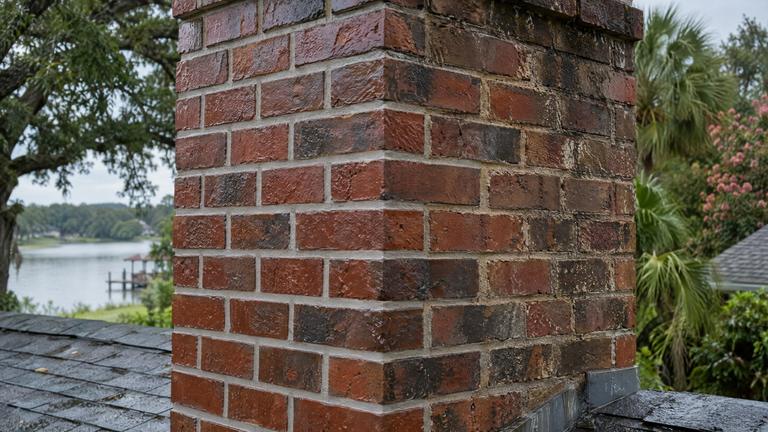


- Stone Chimney RepairKeep stone repairs suited to the existing masonry.
- Fireplace InstallationPlan the fireplace before opening the wall.
- Fireplace RestorationBring an unused fireplace back with a coordinated plan.
Learn more about smoke chamber repairRoosevelt Park services
Your Roosevelt Park smoke chamber questions, answered
Short answers from the crew that parges chambers in Roosevelt Park. Call with anything else.
Does a factory-built fireplace have a smoke chamber to parge?
Factory-built fireplaces have their own metal parts above the firebox and follow the unit's listing and manual. Parging applies to masonry chambers, so we identify your fireplace type before recommending any work.
How often should a repaired chamber be checked?
Under NFPA 211, a chimney, its fireplace and its vents get an inspection every year at a minimum. A parged chamber is part of that yearly check, and we look at the coat, the shelf and the damper each time.
Request your free estimate
Share the job details and arrange a free inspection with our local team.
- Free inspection
- No hidden fees
- Family owned and operated
Need an answer now? Call (352) 675-6376
Your request is received
Thank you. We will contact you to discuss the job and confirm an appointment.