
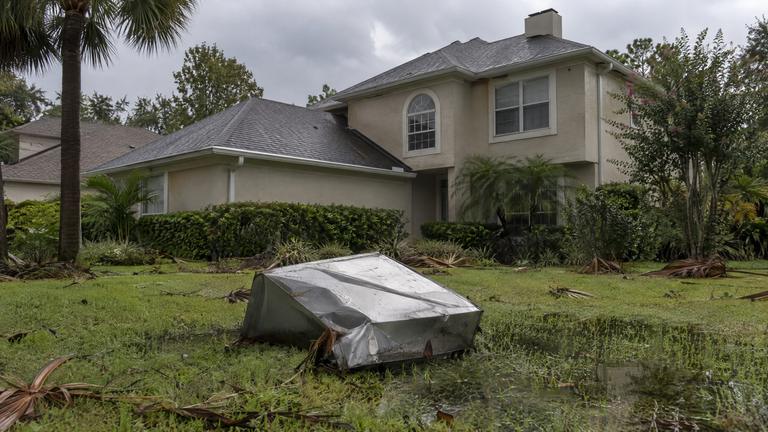
Careful chimney animal removal for Sand Lake Hills homes
A screened cap, a clean flue and a written record for your Sand Lake Hills home once the animal has lawfully left.
- Licensed & insured
- Locally run
- Family owned and operated
- Same-day service available



How we price animal work in Sand Lake Hills chimneys
- Damper and fireplace doors secured
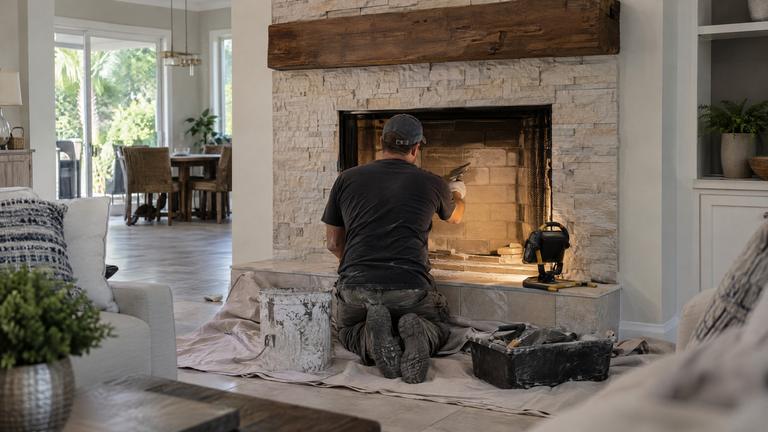
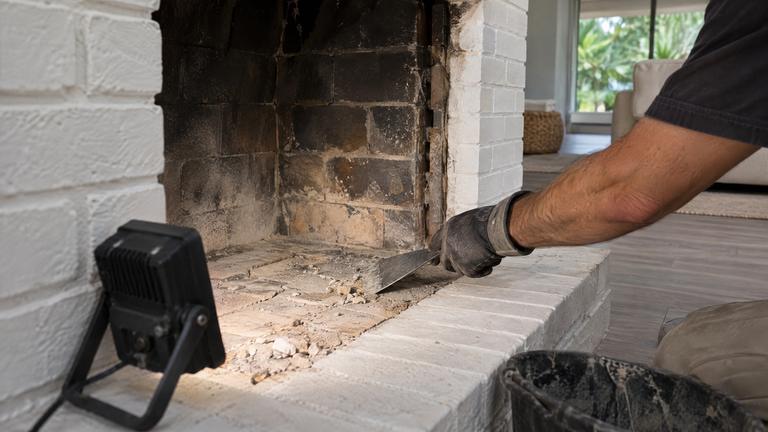
- Firebox cleaned after removal
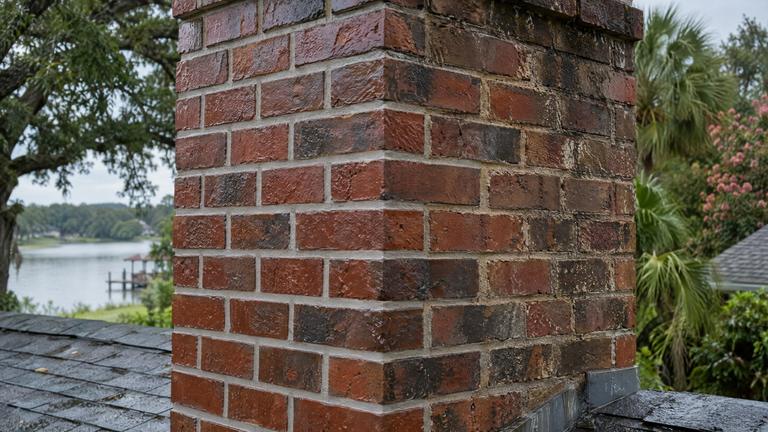
- Flue inspected top to bottom
- Screened cap sized to the code range
Getting animals out of Sand Lake Hills chimneys the right way
No poison, repellents or traps in the flue
Poisons, mothballs and chemical repellents do not belong in a chimney. Fumes and residue end up in the house, a poisoned animal may die where it cannot be reached, and some products are illegal to use that way. Traps set inside a flue are hard to check and can injure an animal without removing it. We rely on lawful removal, cleanup and a screened cap instead. Fumes from repellents can also linger in the masonry and come back into the room the first time the fireplace warms up.
What changes the price of the job
Every chimney animal job is priced from what we find, never from a flat rate. The factors are listed below, and each one appears as its own line on the written estimate. A written price for each factor also lets you phase the work, such as cleanup now and a new cap later.
- Roof height and access to the chimney top
- How much nest material and debris has to come out
- The cap or screen the chimney needs
- Whether a wildlife specialist is involved
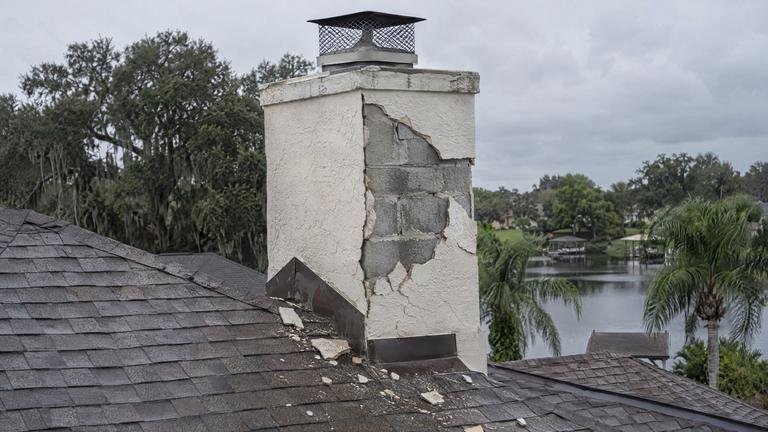
- Any damper, crown or chase repair found along the way
Why the calendar matters
Many chimney animal problems follow the seasons. Birds nest in warmer months, bats raise young in spring and summer, and some animals seek shelter when the weather turns. The rules follow the same calendar, especially for swifts and bats. We plan removal, cleanup and capping around the time of year, and the estimate states any date that affects the schedule. Knowing the season when you first hear sounds helps us tell you how the plan will likely unfold.
Maintenance visits after the cap is on
A cap does its job only while the screen stays clear and fastened. We offer maintenance visits, which line up with the annual inspection NFPA 211 asks for. On a maintenance visit our crew checks that the cap is still tight to the flue, that the screen is undamaged and clear of leaves and nest starts, and that nothing has moved into a second flue or the chase. The Florida residential code expects a spark arrestor screen to be removable for cleaning, so a clogged screen can be cleared rather than replaced.
Other work in Sand Lake Hills
-
-
-
-
-


Learn more about chimney animal removalSand Lake Hills services
Chimney animal questions from Sand Lake Hills
Can I clean up the droppings myself?
It is better to leave them. The CDC notes that histoplasmosis spreads through spores in bird and bat droppings when they are disturbed. We remove and bag droppings with care as part of the cleanup.
What if the noises stop on their own?
Quiet can mean the animal left, or that it is stuck or has died. Keep the fireplace off and have the chimney checked before the next fire, since a nest or remains can still block the flue.
Request your free estimate
Share the job details and arrange a free inspection with our local team.
- Free inspection
- No hidden fees
- Family owned and operated
Need an answer now? Call (352) 675-6376
Your request is received
Thank you. We will contact you to discuss the job and confirm an appointment.