
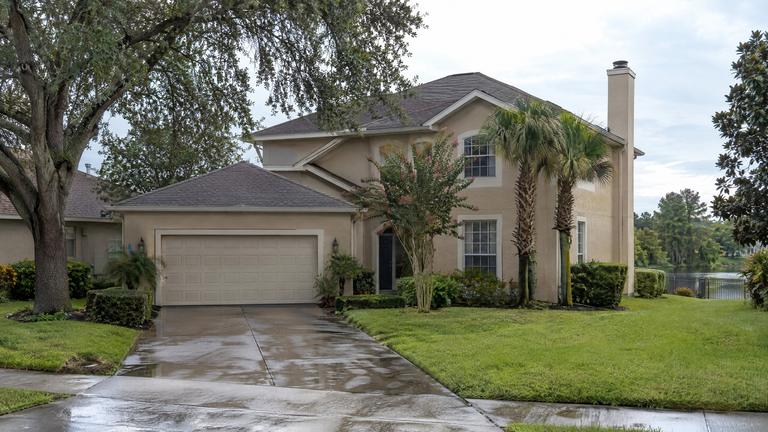
Chimney chase repair from framing to finish in Sand Lake Hills
Rotted base plates or a full chase rebuild, you get honest options in writing before any work starts.
- Licensed & insured
- Locally run
- Family owned and operated
- Same-day service available



Siding to framing, what gets priced
- Tap test for hollow or loose stucco
- Damage boundary marked on each face
- Replacement siding matched to the existing profile
- Temporary cover over any open section each day
Chimney chase repair, explained for Sand Lake Hills homeowners
How a failed top sends water down the chase
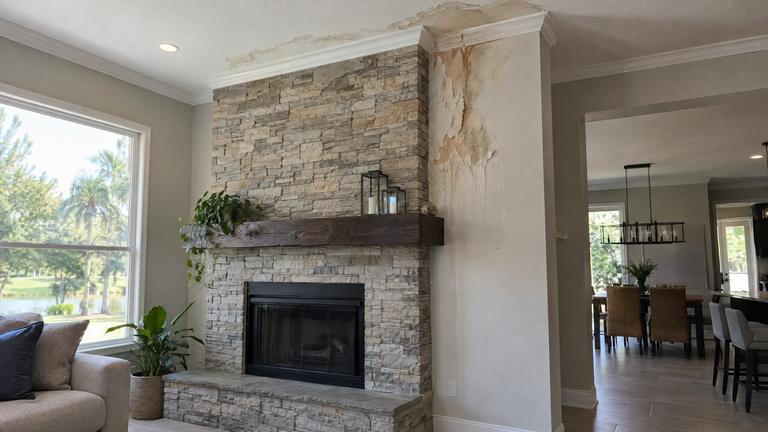
When the metal top of a chase leaks, the water does not stay at the top. It runs down the inside face of the sheathing, along the studs and onto whatever sits at the bottom of the box, like the roof deck or a framed floor. Some of it can follow the outside of the chimney pipe toward the fireplace.
That is why a leak at the top can show up as rot at the bottom. The wood near the cover may look fine while the base plate has gone soft.
Replacing the cover is a separate job with a separate line. Our part is the wood and finish the water already reached. We trace the path from top to bottom so the repair covers everything that got wet, and not only the spot closest to the leak.
Letting each stucco coat cure before the next
Stucco gains strength as it cures, and the Florida Building Code sets minimum waits between coats. Under R703.7.4, each coat is kept moist before the next one goes on. Under R703.7.5, the finish coat on three-coat work goes on no sooner than seven days after the second coat. Both sections make an exception for work installed per ASTM C926.
Those waits are why a stucco chase repair takes more than one visit. The scratch coat is scored so the next coat grips, and the chase stays covered between visits. On hot or windy days, keeping a fresh coat moist takes more attention, so the crew plans that work for the cooler part of the day where it can.
We plan the schedule around curing time and tell you how many trips the job takes before it starts. The fireplace stays out of use until the wall is closed and the top is sealed, and the timing is part of the written estimate.
Coordinating chase repair with a roofer
The bottom of a roof chase is where two trades meet. The roofer owns the shingles, tile or metal and the underlayment. The chase repair owns the framing, sheathing, barrier and siding. Flashing sits in between, and it is easy for each side to assume the other one handled it.
If you are getting a new roof, that is the easiest time to repair the chase base, since the old roofing is off and the flashing is being replaced anyway. If the roof is staying, the flashing is reworked with care so the roofing around it is not disturbed.
Our crew talks to your roofer before either of us starts. The written estimate says who replaces which flashing pieces and in what order. Homeowners in Sand Lake Hills end up with one sheet that shows who owns each piece of the leak path.
Deciding what sound material can stay
Good chase repair removes what is damaged and keeps what is sound. Tearing off more than needed adds cost and adds joints where old meets new. Keeping soft wood to save money brings the rot right back.
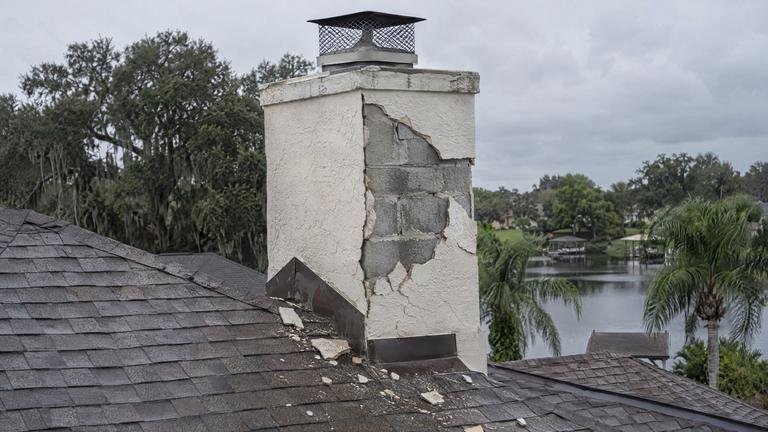
The line between the two is set by testing, not by eye. Firm framing with surface staining can stay. Framing that takes a probe, sheathing that has swollen or lost its layers, and siding split at the ends all come out. Stain alone does not condemn a board, and a clean surface does not clear one, which is why every piece near the damage gets tested.
Our technicians explain the line they drew on your chase and why. Sound siding removed for access goes back up where it can, which helps the match. Reused boards are refastened with corrosion-resistant nails and primed wherever they were cut. Reused and new material are listed apart, so you can see how much of the old chase stayed.
Other work in Sand Lake Hills
-
-
-
-
-


Learn more about chimney chase repairSand Lake Hills services
Chase repair answers for Sand Lake Hills homes
What happens to the chimney pipe while you work on the chase?
The pipe stays in place and is protected while the framing around it is replaced. Our crew keeps the listed air space clear and puts firestops, shields and supports back where the chimney maker's instructions call for them.
Should I repair the chase before putting my home on the market?
A chase with visible rot or leaks tends to come up in a buyer's inspection. Repairing it first, with the work put in writing layer by layer, gives buyers a clear answer. If you would rather sell as is, our written estimate helps both sides agree on the work.
Request your free estimate
Share the job details and arrange a free inspection with our local team.
- Free inspection
- No hidden fees
- Family owned and operated
Need an answer now? Call (352) 675-6376
Your request is received
Thank you. We will contact you to discuss the job and confirm an appointment.