
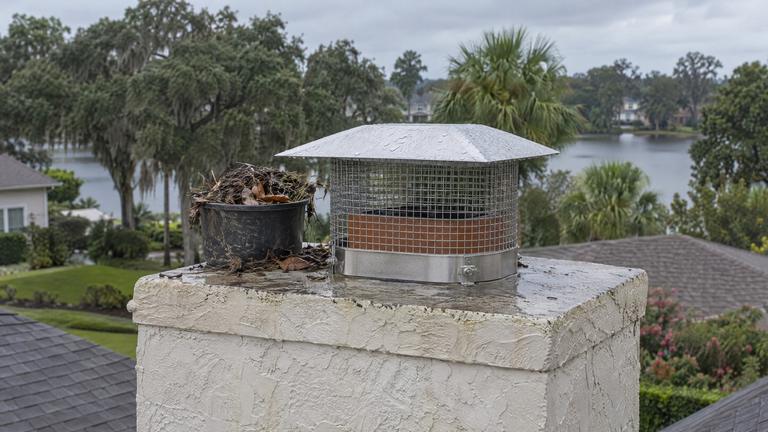
Local chimney animal removal for South Eola homes
Scratching, chirping or fluttering in your South Eola chimney? Our family-owned team assesses it and plans the lawful next step.
- Licensed & insured
- Locally run
- Family owned and operated
- Same-day service available



Your South Eola chimney cleanup, item by item
- Assessment of the animal and any nesting
- Rules that apply to that animal, explained
- Damper operation and seal checked
- Screened cap sized to the code range
How our pros handle chimney animals in South Eola
Chimney swifts are protected birds
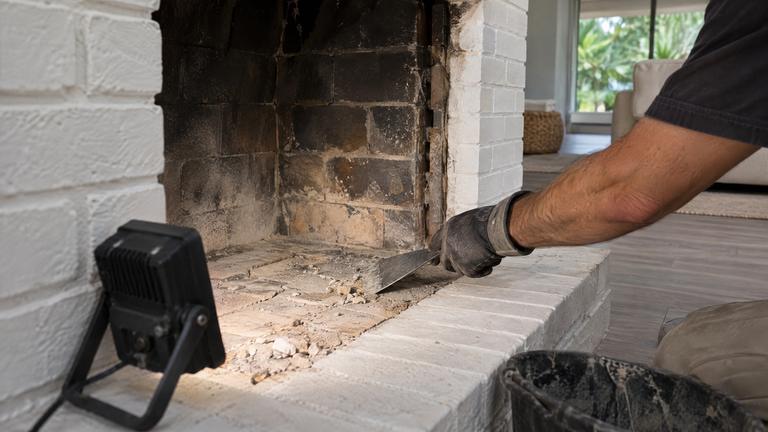
Chimney swifts nest inside chimneys, gluing small twig nests to the flue wall. The U.S. Fish and Wildlife Service notes they are protected under the Migratory Bird Treaty Act, which covers the birds, their eggs and active nests. That means an active swift nest stays put. We confirm what is nesting before anyone disturbs it, and the chimney is cleaned and capped after the birds leave for the season. Once the birds have left, removing the old nest and capping the flue is lawful and keeps the chimney clear.
Checking the flue before the next fire
Once the animal and the nest are gone, the flue still needs a look from top to bottom. We check for leftover material, damage to the liner and anything that would block smoke from rising. NFPA 211 calls for chimneys to be inspected annually and for obstructions to be cleared, and that standard applies with extra weight after nesting. Any repair we find is priced separately for your approval. On your South Eola chimney, the flue check is part of the same visit as the cleanup whenever access allows it.
Telling attic noises from chimney noises
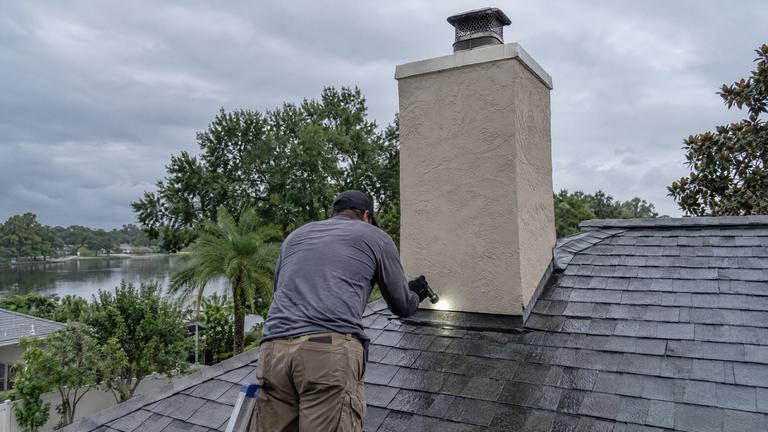
Sound travels through framing, so it is not always clear where an animal is. Noises that seem to come from inside the fireplace opening or from right above the damper usually mean the flue. Noises spread along the ceiling point to the attic. Our inspection looks at the chimney from the roof and from the firebox, which usually settles the question. Tell us exactly where in the room the sound seems loudest, since that helps us start in the right place.
An old nest found at the start of the season
Nests built in spring are often found in fall, when someone looks up the flue before the first fire. By then the nest is usually empty, though that still needs confirming, and for swifts the birds must have left. We remove the material, sweep the flue and check the damper and cap, so the first fire of the season starts in a clear chimney. If the nest turns out to be active, the plan changes to match the animal and the rules for it.
Other work in South Eola
-
-
-
-
-


Before you call about an animal in South Eola
What kind of cap keeps animals out?
A cap with a sturdy screen whose openings fall inside the residential code range, fitted tightly to the flue or crown. Factory-built chimneys take the cap listed for their model.
Do you need access to the roof?
Usually. Most of the assessment and all of the cap work happen at the chimney top, so we need safe roof access. We also look from the firebox and tell you if any part has to wait for a second visit.
Request your free estimate
Share the job details and arrange a free inspection with our local team.
- Free inspection
- No hidden fees
- Family owned and operated
Need an answer now? Call (352) 675-6376
Your request is received
Thank you. We will contact you to discuss the job and confirm an appointment.