
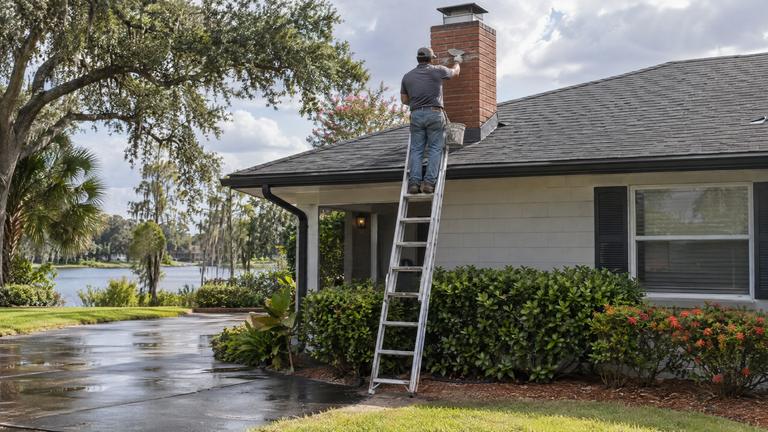
Chimney repair from the cap to the firebox in Stone Crest
Chimney repair in Stone Crest that starts with a free look and a straight answer.
- Licensed & insured
- Locally run
- Family owned and operated
- Same-day service available



What the free chimney inspection looks at
- Rust on lintels, support angles and ties
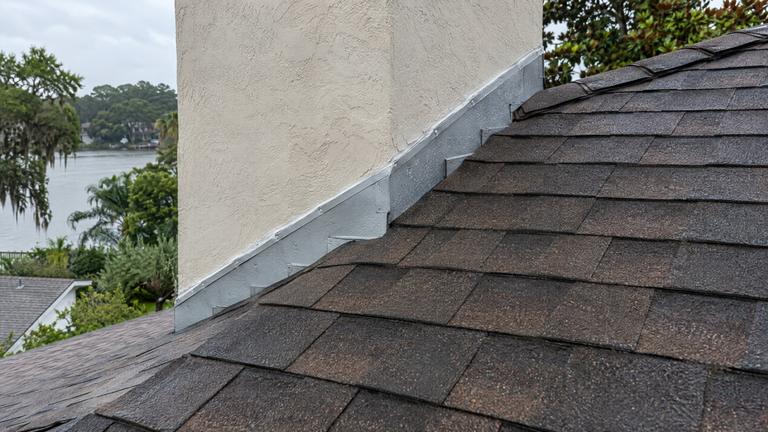
- Weep holes and through-flashing at a veneer base
- Stains and white deposits, cleaned after the water fix
- Repair order, with safety items first
Chimney repair from the cap down to the firebox
What heat does on the inside
Heat works on a chimney from the inside, where nobody sees it from the yard. The firebox takes the flame, the smoke chamber gathers the hot gases and the flue lining carries them out. The Florida Building Code builds each surface for heat, with any firebrick lining laid in refractory mortar, the smoke chamber walls parged with it and a flue lining suited to the appliance.
A clay liner is also meant to stand clear of the chimney walls. The code sets it with a gap of air or insulation between liner and masonry, never thicker than the liner wall, and supports it on every side. From the room, heat damage mostly shows indirectly, as crumbs of tile or parging on the smoke shelf or hearth, or a firebrick joint that has opened.
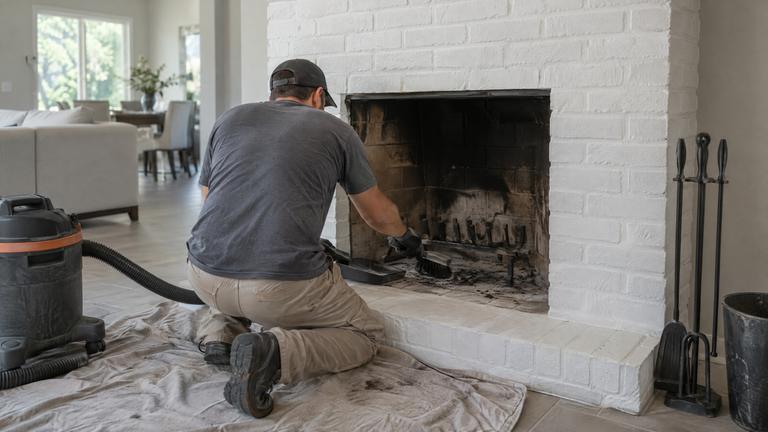
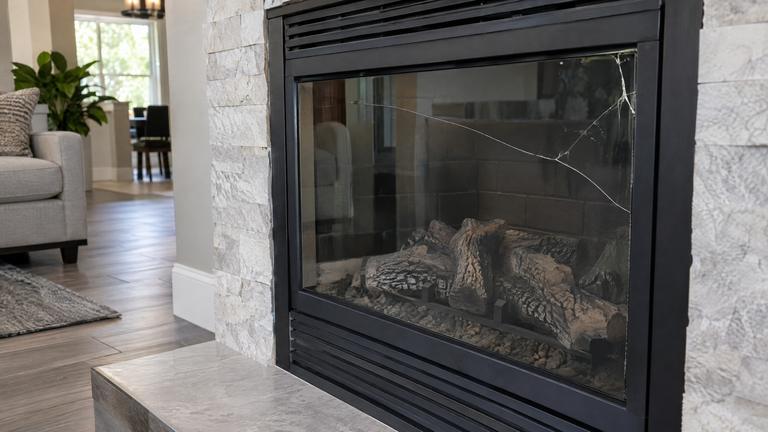
Heat damage has services of its own. A cracked or open lining goes to our chimney flue repair or chimney liner installation service, and rough or broken walls above the damper go to smoke chamber repair. On the estimate each one is a separate line with the reason for it.
A chimney with more than one flue
Some chimneys carry two or more flues, one for the fireplace and others for a second fireplace or an appliance. Under the Florida Building Code, masonry wythes separate adjacent flue linings, built into the chimney walls, with an exception for two flues venting a single appliance.
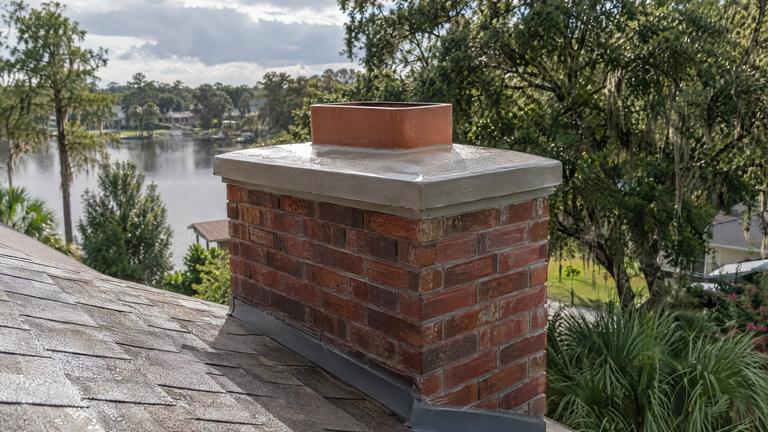
Each flue brings its own top detail, and the masonry between flues cannot be seen from the roof, so every flue is checked from its own top. A cap over one flue with its neighbor left open still lets rain into the chimney.
Every flue gets its own findings on the estimate. That makes it clear which flue a repair belongs to, what that flue serves and whether a problem in one affects the use of the other.
- A liner standing above the crown
- Its own caulked bond break at the crown
- A cap that covers the flue it is meant to protect
- The top of the wythe beside it, as far as it can be seen
The label on a relined flue
When a flue is relined with a material outside the standard list in the Florida Building Code, the code asks for a permanent label in plain view close to where the connector enters the chimney. It names the type of appliance and the fuel the flue is for, and warns against connecting anything else.
The label matters more later than on the day of the install. It tells the next buyer, home inspector or installer what the flue was built for. Without it, someone may connect a different appliance to a liner that was never meant for it, or assume a lining suits a new appliance when it does not.
If your chimney was relined and the label is missing or unreadable, it is worth putting back. Our technicians identify the lining where it can be seen and confirm what it serves. A replacement label goes on the estimate alongside any other flue repair, and if the lining cannot be identified, the estimate says so.
A damper that will not open or close fully
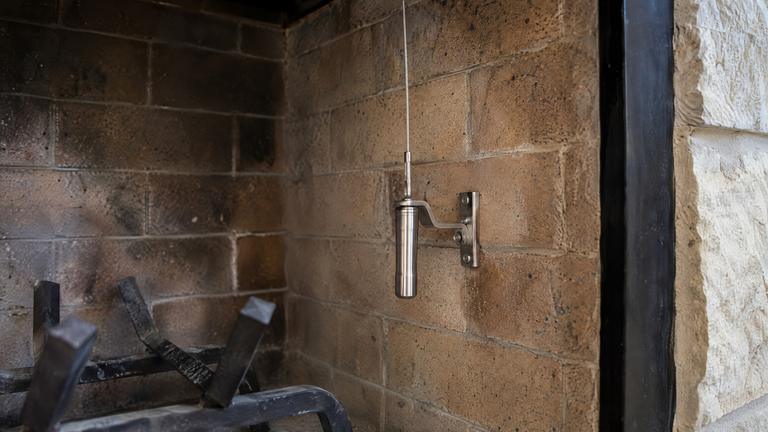
A masonry fireplace is supposed to have a damper. Under the Florida Building Code it is a ferrous metal damper, installed in the fireplace or in the chimney that vents it, and operable from the room. A typical one is a metal plate in a frame just above the firebox, moved by a handle or a rod.
Rust sets in on the plate and frame, and then the damper sticks halfway, the handle turns without moving it or it closes with a gap. EPA wood-burning guidance lists a damper that is not open wide enough among the conditions under which creosote tends to build up. One that will not close leaves the flue open to the house.
Rust on a damper is also a clue that water is getting in from above, so the top gets a look too. Our chimney damper repair service decides between freeing the old damper and replacing it, and your Stone Crest estimate lists the damper and any repair at the top as separate items.
Other work in Stone Crest
-
-
-
-
-
-


Chimney repair questions from Stone Crest homeowners
What if the crew finds more damage once work begins?
Nothing beyond the approved estimate is done without you. What was found and what it changes are explained, the added work is priced in writing and it goes ahead only with your approval. The original estimate stays the reference for everything else.
Is there someone to call when chimney damage cannot wait?
For fire or smoke in the house, get everyone out and call 911 first. Our 24/7 emergency line is for chimney damage that cannot wait, such as masonry coming loose above a door or a walkway. The repair itself is still priced in writing before work starts.
Request your free estimate
Share the job details and arrange a free inspection with our local team.
- Free inspection
- No hidden fees
- Family owned and operated
Need an answer now? Call (352) 675-6376
Your request is received
Thank you. We will contact you to discuss the job and confirm an appointment.