
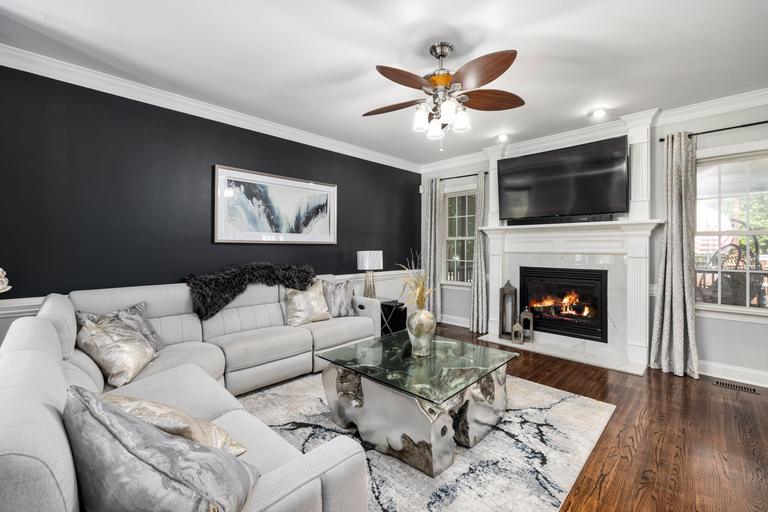
Damaged chimney flues fitted with new liners in Taft
Relining that restores one continuous passage from the appliance to the top. Free inspection and 100% satisfaction guaranteed in Taft.
- Licensed & insured
- Locally run
- Family owned and operated
- Same-day service available



Your free flue inspection in Taft looks at
Before we order a liner for a home in Taft, these details are confirmed and put in writing.
- Cleaning of the flue and smoke chamber
- Crown condition under the top plate
- Masonry repairs needed before relining
- Permit requirements for the job
Our approach to chimney liners in Taft
Notes from our Taft liner installers, tied to the code and the product instructions.
Gas appliance flues follow their own rules
Section R1003.11.3 sends flue lining systems for gas appliances to the code's fuel gas chapter, and liner makers refer gas sizing to NFPA 54 and the appliance manufacturer. A liner sized by fireplace rules can be wrong for a furnace or water heater sharing the chimney.
When a gas appliance vents into your chimney, we size and specify that flue by its own rules and cite the reference in the estimate, so anyone who reads it can check the sizing. If the gas appliance is due for replacement, we suggest settling that first, since the new unit's manual may call for something different.
After a chimney fire or a damaging storm
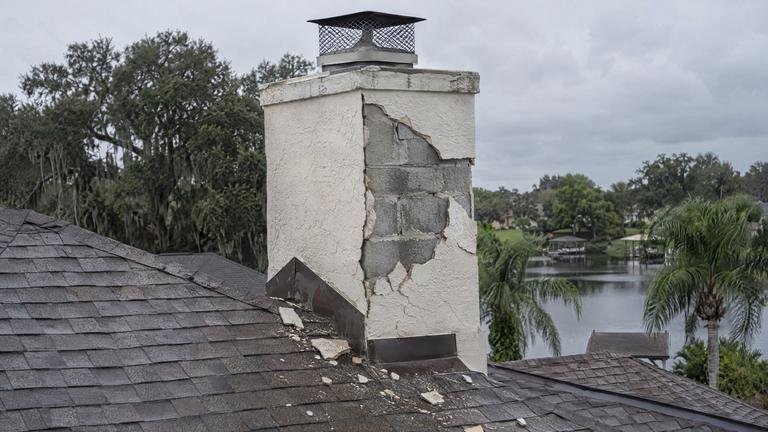
A building or chimney fire, a weather event or any incident likely to have damaged the chimney is another NFPA 211 reason for a closer inspection. Intense heat can crack clay tile and open its joints, and a storm can shift the top of a chimney or damage its cap.
Stop using the fireplace until the flue has been checked, and let us know what happened, so the inspection can focus on the damage most likely to be there. Relining is discussed only after that inspection, based on what it actually found in the flue.
When one appliance leaves a shared flue
Removing an appliance from a chimney can leave the remaining one on a flue sized for more than it produces. NFPA 211 treats the removal of a connected appliance as a reason for a closer inspection.
We size the flue against the appliance still connected and tell you whether relining is needed to bring it back into range. The unused opening left by the removed appliance also needs attention, and we note how it should be closed so the remaining flue works as intended.
Connecting a liner to a stove collar
Where a liner connects to an appliance collar, the listed adapter for that liner makes the joint, and elbows at 30, 45 or 90 degrees are available where the geometry needs them. The appliance's own instructions govern the connection.
We fit only the parts named for that system and show you the joint before we leave. A connection made with parts from another maker may look the same and still fall outside both listings.
Other work in Taft
-
-
-
-
-
-


Learn more about chimney liner installation and reliningTaft services
Related chimney liner work

Relining answers for Taft homeowners
Relining questions answered by our family-owned crew in Taft.
How do you choose the liner size?
From the appliance first. For a stove we follow its outlet size or the maker's instructions, and for an open fireplace we measure the opening. We then check that size against the chimney route before anything is ordered.
Does a relined flue need a new chimney cap?
The relined flue gets its own liner cap as part of the system. A separate chimney cap is needed only in some layouts, and we explain yours before quoting.
Request your free estimate
Share the job details and arrange a free inspection with our local team.
- Free inspection
- No hidden fees
- Family owned and operated
Need an answer now? Call (352) 675-6376
Your request is received
Thank you. We will contact you to discuss the job and confirm an appointment.