
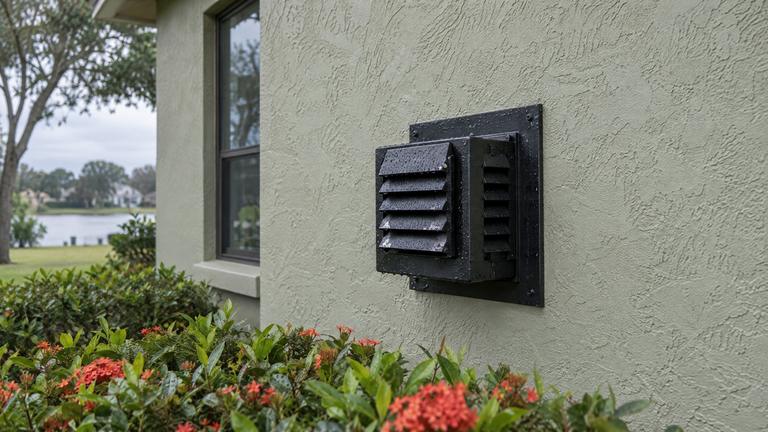
Gas fireplace venting by local pros in The Willows
Local venting pros who measure first and replace second. Your inspection and estimate are free, and you save 10% by booking within 72 hours after it.
- Licensed & insured
- Locally run
- Family owned and operated
- Same-day service available



Your free venting inspection in The Willows looks at
Our venting pros look at these items in person in The Willows, then carry every one into the written proposal.
- Vent type confirmed as direct vent or B-vent
- Clearance from the cap to windows and doors that open
- Clearance above the ground, decks and porches
- Air space between the pipe, framing and insulation
Our approach to fireplace vents in The Willows
The points below shape the vent repair we recommend in The Willows, and each one lands in your estimate.
When the inner pipe leaks exhaust into the air side
In a coaxial vent, exhaust travels in the inner pipe and fresh air in the outer one. If the inner pipe leaks, exhaust slips into the incoming air, and the fire starts breathing its own fumes.
One maker lists this as a cause when the pilot and main burner go out together while the fireplace is running, and the fix it gives is to find the leak and replace the defective section. Our technicians look for disconnected, damaged or unseated inner joints first, since those are the ones the room never shows.
Offsets and horizontal runs in B-vent
Natural draft needs the pipe to keep climbing. One B-vent fireplace manual keeps every horizontal run shorter than half the total vent height, measuring pipe center to pipe center, and wants each run to rise at least 1/4 inch per foot, never level and never downhill.
Too much offset is also the first cause in that manual's list for poor draft. Our pros check the slope of every horizontal section they can reach and compare the total offset with the height of the whole vent.
Height and offset limits for co-linear liners
Liners in a chimney still follow vent rules. One maker's co-linear instructions call for no less than 10 feet and no more than 40 feet of vertical pipe, and allow offsets of up to 8 feet with the liners held at least 45 degrees from horizontal.
The same instructions say no restrictor is needed with co-linear venting, which differs from the rules for its coaxial pipe. Our crew measures the chimney height and any bends in the flue before quoting, since a chimney that falls outside those numbers needs a different plan.
Debris in the termination cap
A cap is small, and it does not take much to choke it. One direct-vent manual asks owners to inspect the outside vent cap regularly so no debris interferes with the airflow.
Leaves, lawn clippings, insect nests and nesting material all turn up in caps. Our crew clears what it finds, checks the cap's screen and body for damage, and runs the fireplace afterward to make sure the flame looks the way the manual describes.
Shrubs, vines and fences growing into the vent
Plants grow toward open wall space, and a sidewall cap is often surrounded by it. Bushes and fences are two of the obstructions one maker keeps at least 24 inches from the front of the termination hood.
Our pros check for vines on the cap itself, which can block its openings, and measure the space in front of it. We tell you how much trimming the manual asks for, and a quick check after each growing season keeps the cap clear.
Other work in The Willows
-
-
-
-
-
-


What people in The Willows ask about fireplace vents
Quick answers from our gas fireplace vent team in The Willows. Anything else, just call.
How close can the vent cap be to a window that opens?
It depends on the fireplace's input. Up to 10,000 Btu per hour, the Florida fuel gas code table allows 6 inches, then 9 inches up to 50,000 and 12 inches beyond that. Some manuals ask for more, and we measure against both.
Why does my gas fireplace go out after a few minutes?
On a direct-vent unit, one maker lists a leak in the inner exhaust pipe, a horizontal run with the wrong pitch and a blocked or badly fitted cap as causes. Pilot and control faults can do the same thing, so our technicians test both before quoting.
Request your free estimate
Share the job details and arrange a free inspection with our local team.
- Free inspection
- No hidden fees
- Family owned and operated
Need an answer now? Call (352) 675-6376
Your request is received
Thank you. We will contact you to discuss the job and confirm an appointment.