
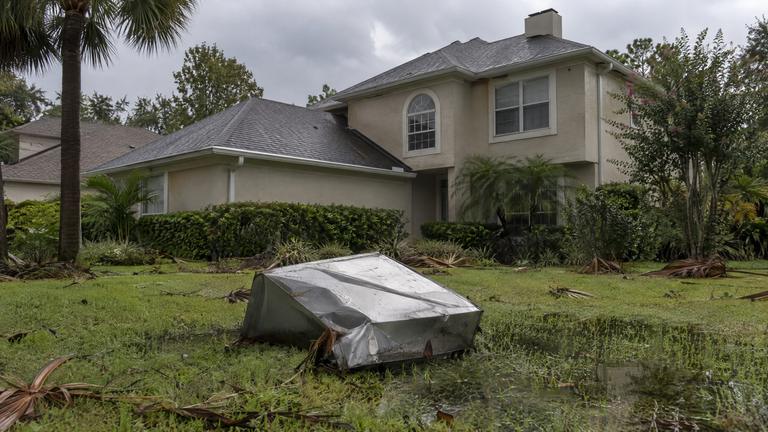
Natural and cultured stone chimney repair in Thornton Park
Your stone chimney in Thornton Park, repaired with compatible mortar and a workmanship warranty on our work.
- Licensed & insured
- Locally run
- Family owned and operated
- Same-day service available



Line by line on your stone chimney in Thornton Park
Every line comes from what we find on your stonework in Thornton Park, never from a stock list.
- Roof, landscaping and walkways protected
- Failed mortar removed by hand where possible
- Joints tooled to match the existing profile
- Cap, crown and flashing work listed separately
How we repair stone chimneys in Thornton Park
Why stones loosen and joints erode, and what holds up afterward, for homes in Thornton Park.
The layers behind manufactured stone
On a wood-framed chase, one maker's instructions list the assembly in order, sheathing, two layers of water-resistive barrier, galvanized metal lath, a scratch coat, a mortar setting bed, the stone and the mortar joint. Each layer has a job, and a failure in one shows up in the stone.
When a section of veneer comes loose, we look at every layer behind it before resetting anything. Rebuilding the missing layer along with the stone is what makes the repair last.
- Sheathing on the framing
- Two layers of water-resistive barrier
- Metal lath and scratch coat
- Setting bed, stone and joint
Clearance from grade and paving
The manufactured stone instructions we follow call for a 4-inch clearance between the stone and grade, or 2 inches above a paved surface, measured from the screed in framed applications. The gap keeps ground moisture and splashing water away from the bottom of the veneer.
Landscaping changes over the years. New mulch, raised beds and pavers can close that gap without anyone noticing. We measure it at the chimney base and tell you what should be pulled back, and whether the stone at the bottom has already suffered.
Mortar for manufactured stone repairs
Setting mortar has its own standards. The instructions we follow list mortars meeting ASTM C270 Type N or Type S, or ASTM C1714 Type N or Type S, for setting manufactured stone, with admixtures, bonding agents and pigments meeting their own ASTM standards.
We choose within those types to suit the job and follow the mortar maker's mixing and open-time directions, since over- or under-mixing can weaken the bond. The estimate names the mortar, so you know what goes on your chimney.
Brushing joints after tooling
After tooling, excess mortar at the edge of a joint can be brushed away with a natural bristle or nylon brush, according to the brief, which also says metal bristle brushes should never be used on historic masonry.
Metal bristles scratch stone and leave steel fragments that rust into stains. Our crew carries soft brushes for every stone job and brushes at the right point in the set, so the stone faces stay clean.
Blending manufactured stone from several boxes
Manufactured stone comes in boxes with a range of sizes, shapes and colors. One maker advises spreading the stone out on site and mixing from different boxes to get a good balance, with small stones next to large ones and heavy textures next to smooth.
For repairs, the same idea applies on a smaller scale. We choose replacement pieces so the repaired patch blends with the pattern around it instead of forming a block of look-alike stones.
Other work in Thornton Park
-
-
-
-
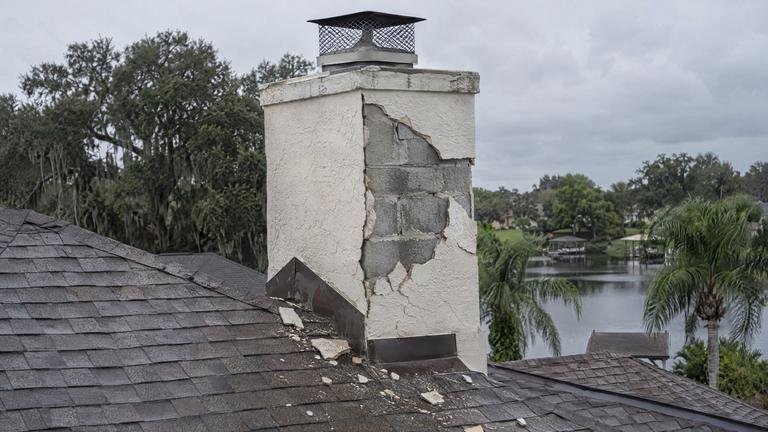
-
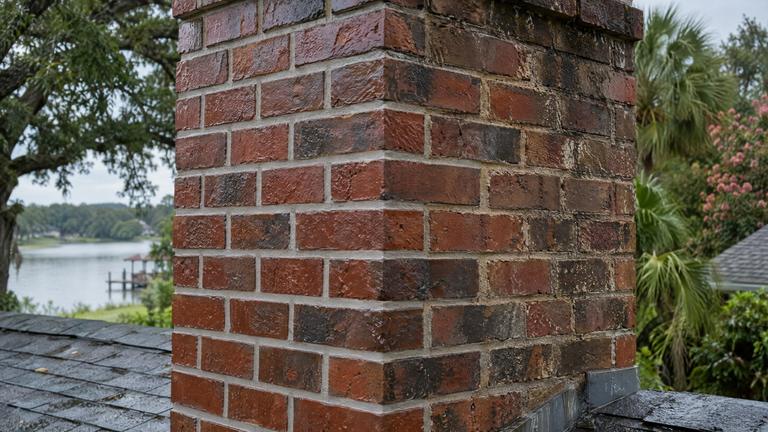
-
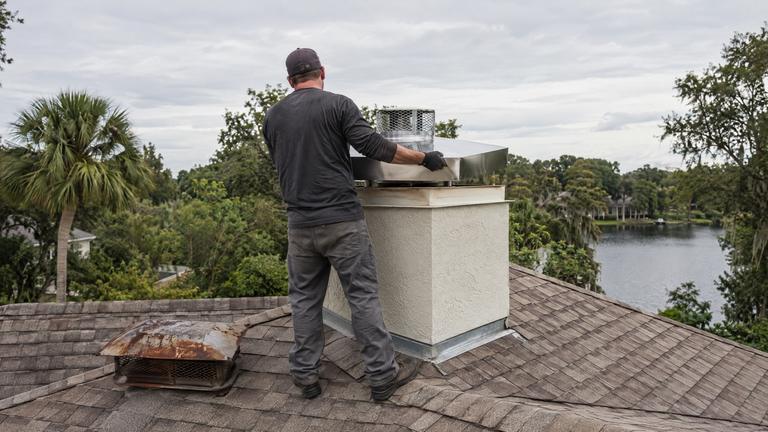


Stone chimney questions from Thornton Park
No sales talk, just stonework answers from our specialists in Thornton Park.
Why do you use a softer mortar on stone?
Repointing mortar should be softer and more vapor permeable than the stone around it, so moisture leaves through the joints and any stress is taken by mortar that can be replaced. Mortar that outlasts the stone in hardness tends to push the damage into the stone faces instead.
Do you repair the chimney cap on a stone chimney?
Yes, as a separate line. The cap or crown sheds water off the top of the chimney, and a failed cap can be why stones are loosening below. We note its condition during the stone inspection and price any cap or crown work on its own.
Request your free estimate
Share the job details and arrange a free inspection with our local team.
- Free inspection
- No hidden fees
- Family owned and operated
Need an answer now? Call (352) 675-6376
Your request is received
Thank you. We will contact you to discuss the job and confirm an appointment.