
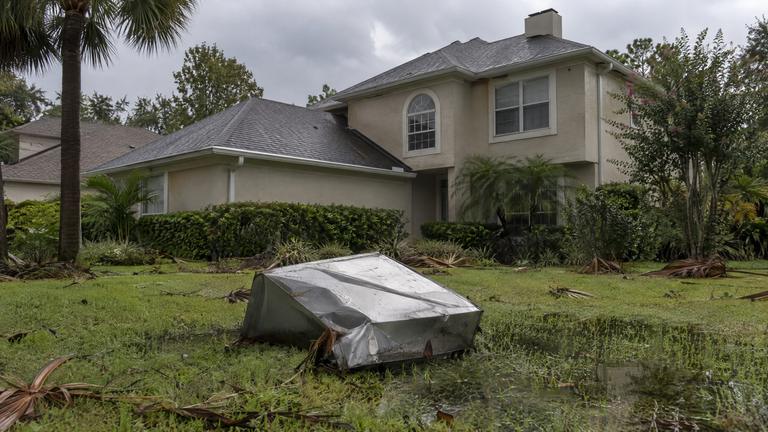
Chimney repair with a free inspection in University
Honest chimney advice in University, including when a repair can wait and when it cannot.
- Licensed & insured
- Locally run
- Family owned and operated
- Same-day service available



The lines on your chimney repair quote
- Bond break where the flue liner meets the crown
- Mortar joints to repoint, marked by area
- Smoke chamber walls and their parging
- Stains and white deposits, cleaned after the water fix
Getting your University chimney back in shape
Why caulk at the roofline keeps failing
A line of roofing cement or caulk along the base of a chimney often marks a leak someone has already tried to stop. It may slow water for a while, but it does not take the place of the flashing that belongs at that joint.
The difference is in how each one handles water. Flashing works by overlapping, each piece lapping over the one below so water runs off it. A bead of caulk works only while it stays stuck to both surfaces, and it has no lap to fall back on. Once the bond breaks, water gets in behind the bead.
Where layers of old caulk cover the roofline, enough of it comes off to show what is underneath. Missing or failed flashing then goes on the estimate as flashing work, and chimneys in University do not simply get another bead on top of the old ones.
The shape of a mortar joint sheds water
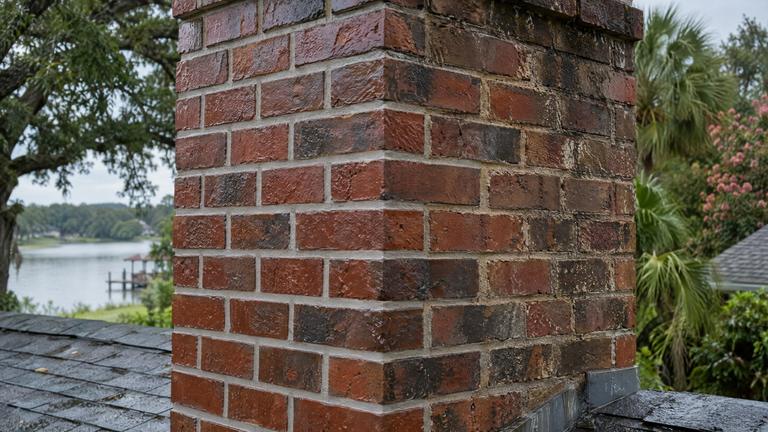
The finished shape of a mortar joint affects how well it keeps water out. BIA guidance on water penetration says concave, V and grapevine joints best resist water in exterior brickwork, because tooling presses the mortar against the brick into a dense, weather-tight surface.
Other profiles are meant for interior work. Flush, raked, struck and similar joints are not recommended outside, since they either leave the outer mortar unconsolidated or form small ledges where water can pond. The same guidance calls full bed joints an inherent requirement for water-resistant brickwork and says to tool joints when the mortar is thumbprint hard.
Repointed or replaced brick is tooled to a profile that sheds water. BIA maintenance guidance asks for the last layer of repointing mortar to be tooled to match the original profile, so where the existing joints are raked or flush, the estimate explains the choice between matching them and switching to a profile that keeps water out.
The cleanout door at the base of a flue
A small metal door at the bottom of a chimney, outside or in a utility space, is usually a cleanout. The Florida Building Code requires a cleanout opening close to the base of each masonry chimney flue, with a noncombustible cover, so ash and debris can be taken out. Fireplace flues that can be cleaned through the fireplace opening are the exception.
Cleanout doors rust, warp and lose their latches. One that is missing or hangs open gives animals and water an easy way in, and one rusted shut leaves debris sitting at the base out of sight.
Replacing the door is a small job, but the frame has to sit tight in the masonry so the new cover closes properly. The base of the flue is cleared first, then a noncombustible door and frame are fitted. Any of these signs puts the door on the estimate.
- A door that will not latch or close flush
- Rust holes or a warped frame
- Loose mortar around the frame
- Ash or debris spilling from the opening
Why new mortar looks different at first
New mortar next to old often looks wrong on the day it goes in. Fresh mortar is damp and reads darker or chalkier, while the joints around it have weathered for a long time. Color also shifts as mortar dries, so what you see that afternoon is not the finished look.
Brick Industry Association guidance on repointing says new mortar should match the color of the existing joints where only part of a wall is redone, using pigments where needed. It recommends comparing a new sample with the old mortar while both are wet, then comparing fully dried samples with dry existing mortar, and notes that several sample batches may be needed.
Even a close match can look a little brighter until it weathers in. On a repair where appearance matters to you, samples can be compared wet and dry before the joints on your University chimney are filled, and the estimate states whether color matching is part of the job.
Other work in University
-
-
-
-
-
-


Your chimney repair questions, answered
What happens when the chimney has several problems at once?
We list each problem on one written estimate and put them in order, safety items first, then anything letting water in, then finish work. You can approve everything together or plan it in phases. Items that have to be done together are marked that way.
Is there someone to call when chimney damage cannot wait?
For fire or smoke in the house, get everyone out and call 911 first. Our 24/7 emergency line is for chimney damage that cannot wait, such as masonry coming loose above a door or a walkway. The repair itself is still priced in writing before work starts.
Request your free estimate
Share the job details and arrange a free inspection with our local team.
- Free inspection
- No hidden fees
- Family owned and operated
Need an answer now? Call (352) 675-6376
Your request is received
Thank you. We will contact you to discuss the job and confirm an appointment.