
Animal removal from chimneys in Williamsburg
Heard something in the chimney? Tell our Williamsburg team what you heard and when, and we take it from there.
- Licensed & insured
- Locally run
- Family owned and operated
- Same-day service available



What your Williamsburg chimney animal estimate covers
- Firebox cleaned after removal
- Damper operation and seal checked
- Chimney sweep after nesting
- Room protected during cleanup
What goes into chimney animal removal in Williamsburg
A trapped animal or a nesting one
A trapped animal and a nesting animal need different responses. A bird or squirrel that fell in and cannot get out needs help leaving. A nesting animal chose the chimney and may have young, which can bring legal limits and a waiting period. We work out which situation you have from the sounds, the timing and what we see from the top and bottom of the chimney before recommending anything. Getting that call right early saves time, and it keeps the plan inside the rules from the first day.
Choosing the cap material
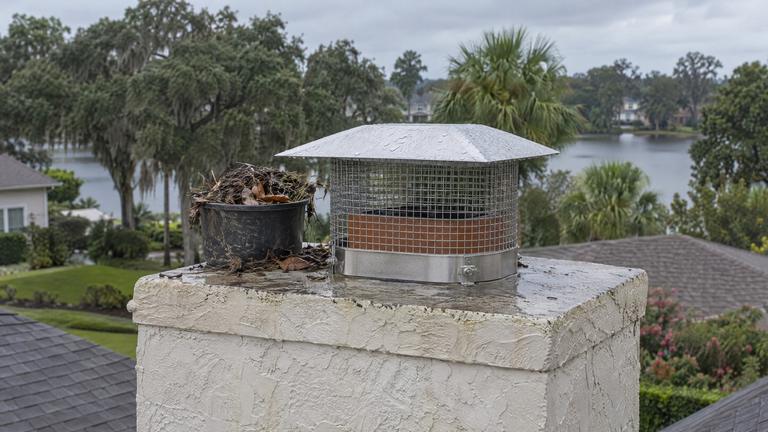
Caps come in galvanized steel, stainless steel and copper. Galvanized costs less and eventually rusts, and a rusted screen tears more easily. Stainless holds up longer and keeps its screen intact, and copper is chosen mainly for looks. After an animal problem, a sturdy screen matters more than the finish. We explain the choices for your chimney and write the material on the estimate. Screen gauge and how the cap fastens to the flue or crown are written down as well.
Branches that give animals a route
Squirrels, raccoons and other climbers reach a roof along overhanging branches. A limb that touches the roof near the chimney is a ladder to the flue. Trimming branches back from the roofline makes the chimney harder to reach and cuts the debris that collects on the cap. We point out limbs that concern us during the inspection so you can have them trimmed. Keep trimmed limbs several feet from the roof, since squirrels can jump a surprising distance.
Reading the nest material
Different animals leave different signs. Small twigs glued into a shelf on the flue wall point to swifts. Loose leaves, grass and debris piled on the smoke shelf suggest squirrels or other birds. Large piles of debris with droppings on the smoke shelf can mean a raccoon den. We read what we find before deciding on the next step, since the rules differ by animal. Those signs are written into the findings, so you know what we based the plan on.
Other work in Williamsburg
-
-
-
-
-
-


Learn more about chimney animal removalWilliamsburg services
What Williamsburg owners ask about animals in chimneys
Should I light a fire to make the animal leave?
No. Smoke and heat can harm the animal, trap it in the flue or push it into the house, and nest material burns. Keep the fireplace off and the damper closed until the chimney has been assessed.
Do I get anything in writing after the work?
Yes. You get a written record of the work we did, including the cleanup and the cap we fitted. It is useful for your house file or when you sell.
Request your free estimate
Share the job details and arrange a free inspection with our local team.
- Free inspection
- No hidden fees
- Family owned and operated
Need an answer now? Call (352) 675-6376
Your request is received
Thank you. We will contact you to discuss the job and confirm an appointment.