
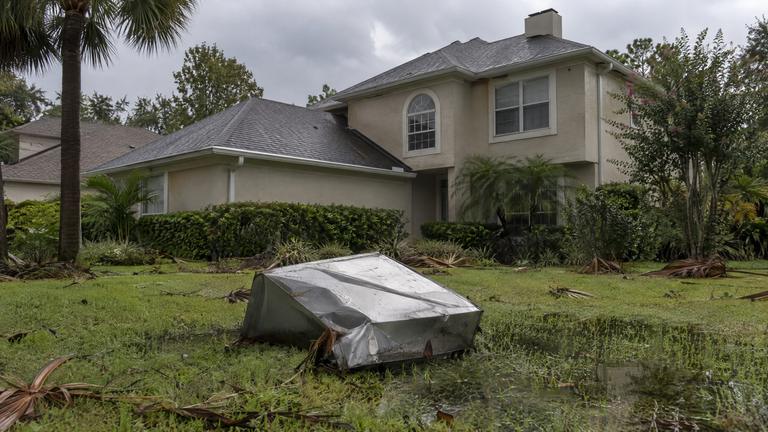
Chimney repair for homes in Windermere
Find the real cause, fix the right part and pay only for the repair your chimney needs.
- Licensed & insured
- Locally run
- Family owned and operated
- Same-day service available



Chimney repair items we put in writing in Windermere
- Mortar joints to repoint, marked by area
- Rust on lintels, support angles and ties
- Stucco or stone finish and the backing behind it
- Items for an engineer's evaluation, listed separately
Chimney repair decisions for your Windermere home
What heat does on the inside
Heat works on a chimney from the inside, where nobody sees it from the yard. The firebox takes the flame, the smoke chamber gathers the hot gases and the flue lining carries them out. The Florida Building Code builds each surface for heat, with any firebrick lining laid in refractory mortar, the smoke chamber walls parged with it and a flue lining suited to the appliance.
A clay liner is also meant to stand clear of the chimney walls. The code sets it with a gap of air or insulation between liner and masonry, never thicker than the liner wall, and supports it on every side. From the room, heat damage mostly shows indirectly, as crumbs of tile or parging on the smoke shelf or hearth, or a firebrick joint that has opened.
Heat damage has services of its own. A cracked or open lining goes to our chimney flue repair or chimney liner installation service, and rough or broken walls above the damper go to smoke chamber repair. On the estimate each one is a separate line with the reason for it.
Tile, metal and shingle roofs need different flashing details
Flashing has the same job on every roof. The Florida Building Code says flashing seals the roofing where it is interrupted and keeps moisture from entering the wall and roof at penetrations such as a chimney. How that job is done depends on what the roof is covered with.
The code has separate sections for asphalt shingles, clay and concrete tile and metal roofing, and each points to its own installation rules and manufacturer's instructions. A shingle roof takes step or L flashing worked into the courses. Tile and metal have profiles of their own, and a detail borrowed from a shingle job may not seal them.
Because the flashing ties into the roofing, some jobs need the roofer who installed or looks after that roof. The roof covering is identified before any flashing is priced, and the estimate spells out which work is ours and where a roofer has to be involved.
A framed chase around a metal chimney
A chase is a wood-framed box built around a factory-built chimney pipe, finished with siding or stucco to look like part of the house. The pipe carries the smoke. The chase only covers and hides it, so its walls are built like any other exterior wall.
That means the Florida Building Code rules for exterior walls apply. A water-resistive barrier goes over the sheathing, continuous behind the siding and lapped upper layer over lower, and flashing keeps water out of the wall cavity and away from the framing. When a chase leaks, the top and the roof line are the first places to look.
Water inside a chase can stain the ceiling beside the fireplace or soften framing long before the siding looks wrong. Our chimney chase repair service opens only what needs opening, replaces wet sheathing and barrier, and closes the wall with matching siding. Each layer carries its own price.
Cleaning comes before a masonry flue repair
Under NFPA 211, chimneys, fireplaces and vents get looked at every year for soundness, built-up deposits and correct clearances, and they are cleaned, kept up or repaired wherever that look shows a need. Deposits sit in the same sentence as soundness for a reason. A flue lined with soot and creosote hides the surface you need to judge.
Cracked tile, open joints and flaking parging all sit under that coating. EPA wood-burning guidance says creosote tends to build up with restricted air, unseasoned wood and a chimney that runs cooler than normal, so a flue that has seen heavy use can carry enough of it to hide real damage.
That is why a repair on a used masonry flue normally starts with a sweep. Our chimney sweep service cleans the flue first, and the lining is judged bare. For your Windermere home, the sweep and the repair appear as separate lines so the order of the work is clear from the start.
Other work in Windermere
-
-
-
-
-


Questions to ask before a chimney repair
Can we keep using the fireplace until the repair is done?
It depends on what is damaged. A cracked flue lining, a damaged smoke chamber or a damaged firebox means no fires until the repair is finished. Outside damage lower down, such as a worn joint, may not affect use, and the estimate states which case applies to your chimney.
Is the inspection really free, with no obligation?
Yes. You pay nothing for the inspection or the written estimate, and going ahead is entirely your call. If you do approve the work within 72 hours after the inspection, 10% comes off.
Request your free estimate
Share the job details and arrange a free inspection with our local team.
- Free inspection
- No hidden fees
- Family owned and operated
Need an answer now? Call (352) 675-6376
Your request is received
Thank you. We will contact you to discuss the job and confirm an appointment.