
Does the estimate cover the chase, the cap or both?
Two metal parts can sit near each other on the roof while doing different jobs.
- Family owned and operated
- No hidden fees
- 24/7 emergency line
Short answer
A chase cover spans the top of a chimney enclosure; a chimney cap is the termination at the flue opening. They are not interchangeable repair items. When comparing proposals, identify the component, the system it must fit and the surrounding materials being assessed. Replacing either part should follow the actual findings rather than an assumption that all chimney leaks have the same cause.
What is a chase cover?
The broad metal piece over a framed chimney enclosure is commonly called a chase cover. The termination over the flue is a different component. A proposal that says replace chimney cover may need clarification before it can be compared with another estimate.
Ask the contractor to name the part and explain its position. A chimney may have a cap, a chase cover and a collar near the same location. Seeing metal at the top does not establish which component has failed. It also does not tell you whether the chimney uses a particular manufacturer’s system.
You can ask these questions from the ground. Do not go onto the roof to measure parts or remove a cap. The component identification and any safe roof access belong in the assessment and the agreed work.
What a chase-cover proposal should make clear
The estimate should identify the enclosure being covered, the proposed material and whether the work is limited to that metal part. Ask whether the existing top and supporting materials will be assessed, what can be established before removal and how unexpected deterioration will be handled.
A new-looking cover does not explain the condition of everything below it. If removal reveals another issue, there should be a clear point at which the finding is explained and further work is agreed. Ask about that process before approving the original scope rather than discovering the distinction during the repair.
For chase cover replacement, keep the practical questions together: what is being measured, what is being replaced, what is being retained and what remains uncertain. Those details make two proposals comparable without assuming that the least expensive-looking line includes the same work.
A cap must belong to the chimney system
For a manufactured chimney, compatible parts matter. DuraVent’s DuraChimney II instructions, for example, distinguish the cap, storm collar and chase-top flashing and specify system parts and ventilation details. This illustrates why a part that appears to fit is not enough to establish compatibility. The instructions for the actual installed system control the selection.
A chimney cap installation proposal should therefore identify the system or flue arrangement and the appropriate termination. If an existing part cannot be identified, ask how that uncertainty will be resolved. An attractive decorative top should not be chosen before its suitability is established.
Chase cover vs. chimney cap: understand the difference
Use the same questions for each proposal. If one includes a chase cover and the other includes only a termination cap, they are different jobs. Price alone will not reveal that difference. Ask for ambiguous terms to be replaced with the actual component name.
- Component: which metal part is being replaced and which parts stay?
- Compatibility: how is the proposed part matched to the installed chimney or appliance?
- Surrounding condition: what assessment of the enclosure top and adjacent materials is included?
- Access and removal: are the arrangements for safely reaching and removing the old part included?
- Additional findings: when would work pause for a revised proposal?
- Completion: what condition or defect is the selected repair intended to address?
A leak needs an explanation as well as a replacement
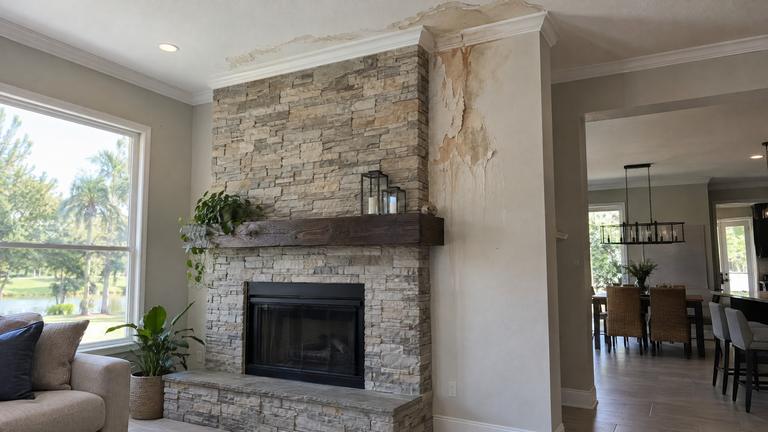
If your Orlando fireplace is wet or stained, describe the observation and its timing. Say whether it appeared during rain and where it was first noticed. That is useful information; it is not a diagnosis of which roof component failed.
Ask what links the proposed repair to the water entry concern. If the cause has not been established, that should remain clear in the discussion. Replacing a visibly deteriorated part can be appropriate while another source still needs attention. The estimate should not imply that every moisture issue is settled simply because one component will be new.
Keep the broader problem connected to the repair. If a contractor recommends both a cap and a cover, ask what finding supports each item. If only one is recommended, ask whether the other was assessed or remains outside the scope. These are useful questions for understanding the work, without prescribing the answer before the chimney is examined.
Get the component identified before ordering
Call (352) 675-6376 for a free inspection from Orlando Chimney Service. Tell us whether the concern is a leak, damaged metal or an estimate you want clarified. Existing appliance information and previous repair paperwork can help identify the system; no roof measurements are needed from you.
Once the part and its condition are understood, you can review the proposed work and upfront price. Keep the estimate with the service record, including any clarification about retained parts or separate enclosure repairs. That record will be more useful at the next visit than a receipt that only says new chimney cover.
Sources
- DuraChimney II installation instructions: Separates termination cap, storm collar and chase top flashing, and requires compatible system components; used as an example, not a specification for every chimney.
- DuraChimney II component drawings: Shows distinct cap, collar and chase top flashing locations in the manufacturer’s assembly drawings.


Proudly American
Straightforward recommendations and a workmanship warranty on the agreed work.
Common questions
Can one replacement solve both a damaged cover and a missing cap?
They are separate components. A repair may include both, but the estimate should identify each and explain how it fits the installed system.
Is a chimney crown the same as a chase cover?
No. A masonry crown and a metal chase cover are different top assemblies. Ask which construction your chimney has before comparing repair methods.
Read before you call
-
-
-


Request your free estimate
Share the job details and arrange a free inspection with our local team.
- Free inspection
- No hidden fees
- Family owned and operated
Rather talk now? Call (352) 675-6376
Your request is received
Thank you. We will contact you to discuss the job and confirm an appointment.