
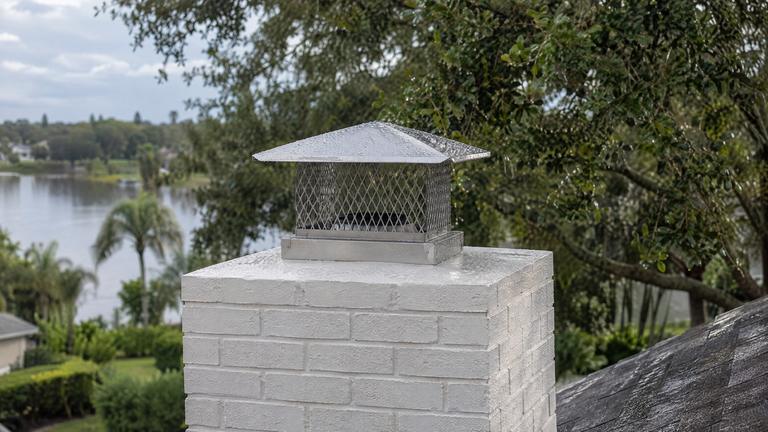
Animal removal from chimneys in Bay Hill
We find out what is living in your Bay Hill chimney, follow the rules for that animal and close the opening once it is empty. Free inspection.
- Licensed & insured
- Locally run
- Family owned and operated
- Same-day service available



What your Bay Hill chimney animal estimate covers
- Specialist coordination where needed
- Flue inspected top to bottom
- Cap fitted only after the flue is empty
- Free inspection and written estimate
What goes into chimney animal removal in Bay Hill
The damper is your barrier
A closed damper separates an animal in the flue from your living space. Leave it shut, and keep glass doors closed if the fireplace has them. Opening the damper to look up the flue invites a frightened bird or bat into the room, and an animal that falls onto the grate is harder to handle inside the house. Our assessment starts at the chimney top and in the firebox, with the damper left where it is. If the damper does not close fully, stuff an old towel into the gap below it and tell us when you call.
Removing a dead animal from the chimney
An animal that dies in a chimney announces itself with odor and sometimes flies around the fireplace. Removal means locating it, which may be on the smoke shelf, in the flue or inside a chase, and taking it out without scattering debris into the house. We then clean the area it occupied and look for how it got in, so the cap or repair can close that route. Removal from inside a factory-built chase can need access at the top of the enclosure, which we explain before starting.
Animal noises at a rental property
Tenants often notice chimney noises first. Ask them to keep the fireplace off and the damper closed, and to note when they hear the sounds. We coordinate access with them, report our findings to you and send the estimate for approval. Once the work is done, the written record tells you what was found and what was installed. If the tenant hears sounds again, the record also tells the next visitor what to check first. Letting tenants know the timing rules up front also helps when some of the work has to wait.
Birds other than chimney swifts
Chimney swifts are not the only birds the Migratory Bird Treaty Act covers. The Act protects listed migratory birds, their nests and their eggs. When a nest in the flue or the cap belongs to a bird we cannot identify with confidence, we treat it as protected and plan the removal and the cap for when the nest is no longer active. That can mean a short wait, and the fireplace stays off while we wait.
Other work in Bay Hill
-
-
-
-
-
-


Your Bay Hill chimney animal questions, answered
Why can't you cap the chimney right away?
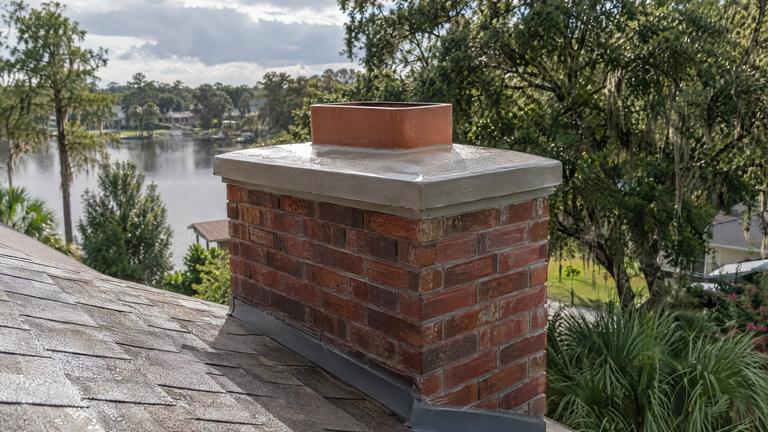
Closing the top with an animal inside traps it, and some species are protected while nesting. We confirm the chimney is empty, or wait until the rules allow exclusion, before a cap goes on.
What does the chimney cleanup include?
We remove nest material and droppings from the flue, smoke shelf and firebox, check the damper and inspect the flue before the fireplace is used again. A full sweep is added where the flue needs it.
Request your free estimate
Share the job details and arrange a free inspection with our local team.
- Free inspection
- No hidden fees
- Family owned and operated
Need an answer now? Call (352) 675-6376
Your request is received
Thank you. We will contact you to discuss the job and confirm an appointment.