
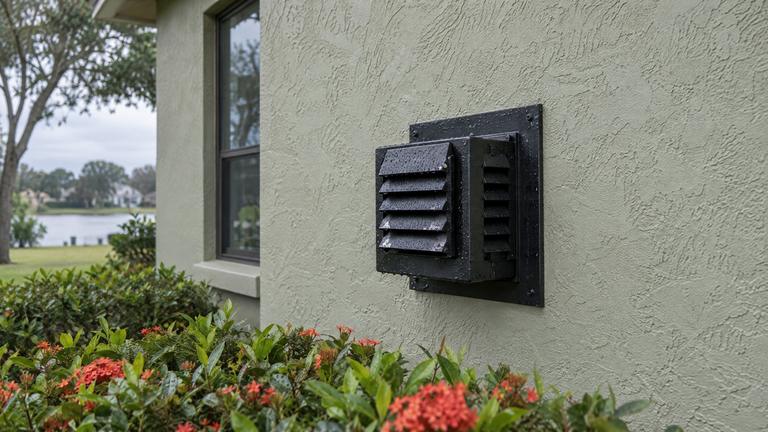
Gas fireplace venting from a family-owned team in Christmas
Local specialists for direct vent pipe, caps and B-vent runs. Upfront pricing, a free inspection to start, and 10% off work booked within 72 hours after it.
- Licensed & insured
- Locally run
- Family owned and operated
- Same-day service available



Vent details we put in writing in Christmas
Spelled out in your Christmas venting estimate, which makes a side-by-side comparison with any other quote simple.
- Firestops and wall passes at each penetration
- Rise or level run of horizontal pipe against the manual
- Elbow count and total turns in the run
- Restrictor style and setting on the flue outlet
Before anyone touches the vent in Christmas
How our local crew reads a gas fireplace vent at your Christmas home, from the cap back to the firebox.
A sealed firebox that takes its air from outdoors
A direct-vent gas fireplace pulls every bit of its combustion air in from outdoors through the vent pipe, as one maker's manual puts it, and sends the exhaust back out the same route. On most units the pipe is two pipes in one, with exhaust in the smaller inner pipe and fresh air moving in the space around it.
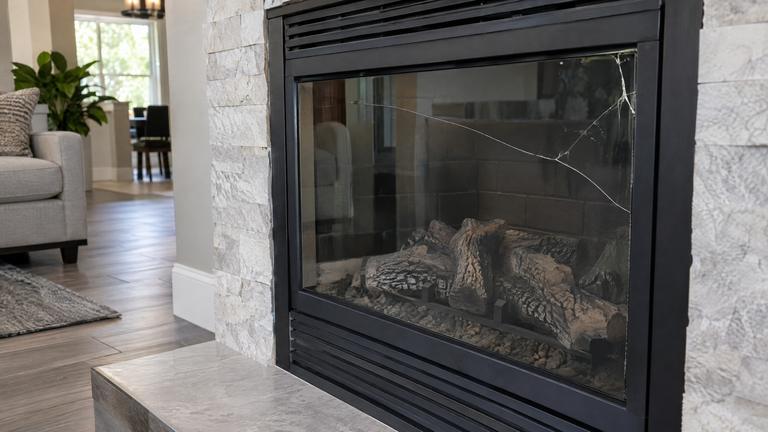
Because the room's air plays no part in the fire, the glass front is part of the seal too. Our pros treat the cap, the pipe and the glass as one system and check all three before blaming any single part.
Local rules can ask for more than the manual
Manufacturers write their clearance charts to the national gas codes and then add that local codes may require different clearances. In Florida the fuel gas code sets its own table, and the stricter of the code and the manual governs.
Whether a permit applies depends on the work and the jurisdiction. When a job changes the vent route in Christmas, we confirm the requirements for your address before the work is scheduled and show any permit step on the estimate.
Five feet above the draft hood
A natural-vent fireplace needs enough height for its exhaust to rise. Florida's fuel gas code, in section 503.6.6, wants a Type B gas vent to end no less than 5 feet higher than the highest draft hood or flue collar connected to it.
One B-vent fireplace manual goes further, asking for at least 8 feet of vertical vent between the top of the fireplace and the top of the cap. Our crew measures what it can and uses the stricter figure when judging whether the vent is tall enough.
Nothing but gas in a direct-vent firebox
A gas fireplace is built for one fuel. One direct-vent manual says not to use any solid fuels in it, naming wood, coal, paper and cardboard, and not to use it to cook or burn paper or other objects.
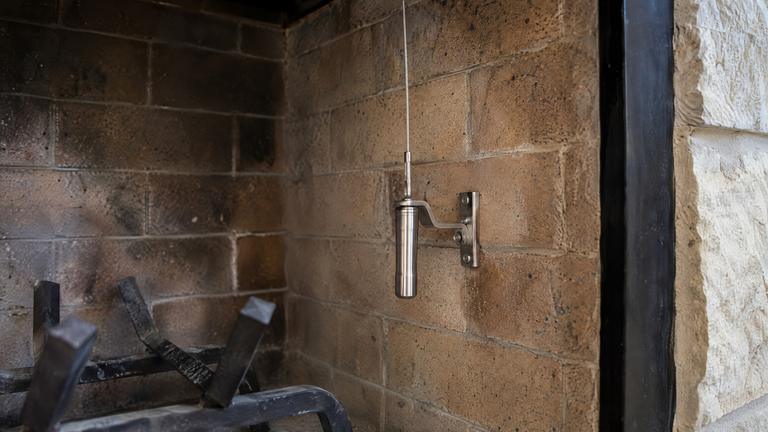
Debris and ash from anything else can block burner ports and air passages and change how the vent works. If our crew finds signs of burned paper or other material in the firebox, we clean it out and explain what it may have done to the burner.
Direct-vent pipe that runs up through the roof
Vertical direct-vent runs have their own limits. One maker allows vertical installations up to 40 feet with at least 8 feet of vertical rise, and up to 10 feet of horizontal run within the system using no more than two 90 degree elbows.
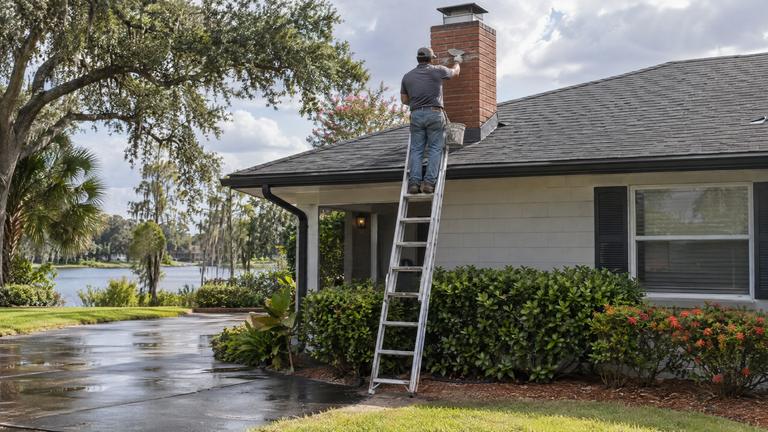
Each 45 degree elbow on the horizontal plane cuts that 10 feet by 18 inches in the same manual. Our pros check the rise, the horizontal sections and the elbows they can reach, then the collar and cap on the roof.
Other work in Christmas
-
-
-


Vent answers for homeowners in Christmas
Vent questions we hear on service calls in Christmas, answered in plain terms.
Can I plant shrubs or build a deck near the vent cap in Christmas?
Check the distances first. One maker keeps bushes, fences, sheds and decks at least 24 inches from the front of the cap and allows a cap under a deck only when it is open on two sides. We measure your layout for free.
Can attic insulation touch the vent pipe?
No. One maker asks for air space all around the pipe and warns against packing it with insulation, which can cause high temperatures. Where the pipe passes into an attic, a firestop or insulation shield keeps that space open.
Request your free estimate
Share the job details and arrange a free inspection with our local team.
- Free inspection
- No hidden fees
- Family owned and operated
Need an answer now? Call (352) 675-6376
Your request is received
Thank you. We will contact you to discuss the job and confirm an appointment.