
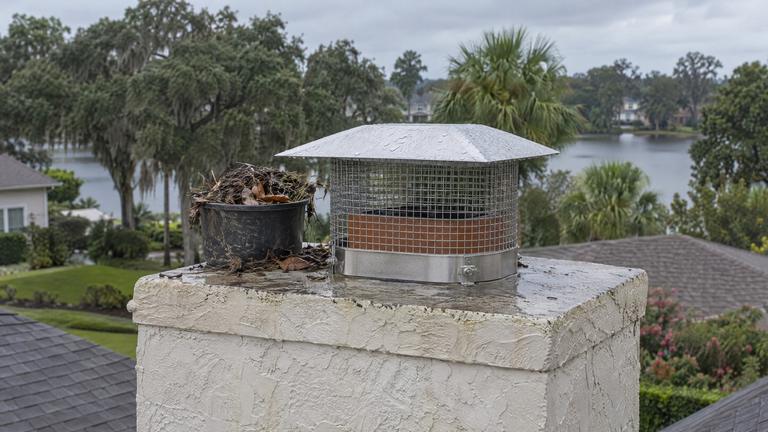
Local chimney animal removal for Conway homes
A screened cap, a clean flue and a written record for your Conway home once the animal has lawfully left.
- Licensed & insured
- Locally run
- Family owned and operated
- Same-day service available



Your Conway chimney cleanup, item by item
- Rules that apply to that animal, explained
- Nest material removed from the flue
- Droppings bagged with care
- Flue inspected top to bottom
How our pros handle chimney animals in Conway
A trapped animal or a nesting one
A trapped animal and a nesting animal need different responses. A bird or squirrel that fell in and cannot get out needs help leaving. A nesting animal chose the chimney and may have young, which can bring legal limits and a waiting period. We work out which situation you have from the sounds, the timing and what we see from the top and bottom of the chimney before recommending anything. Getting that call right early saves time, and it keeps the plan inside the rules from the first day.
Clearing the odor after removal
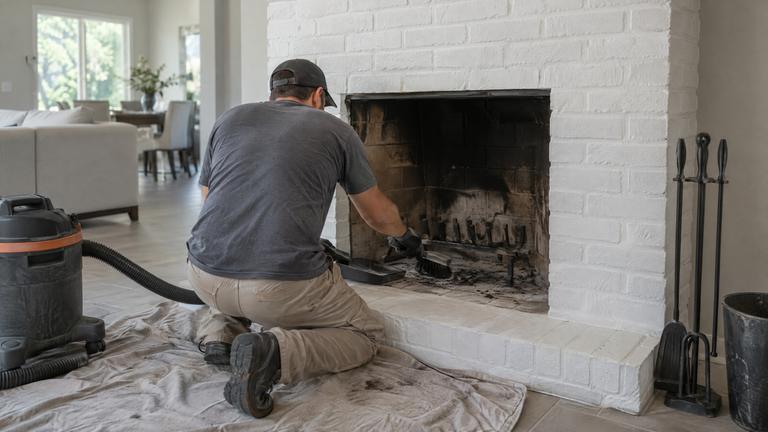
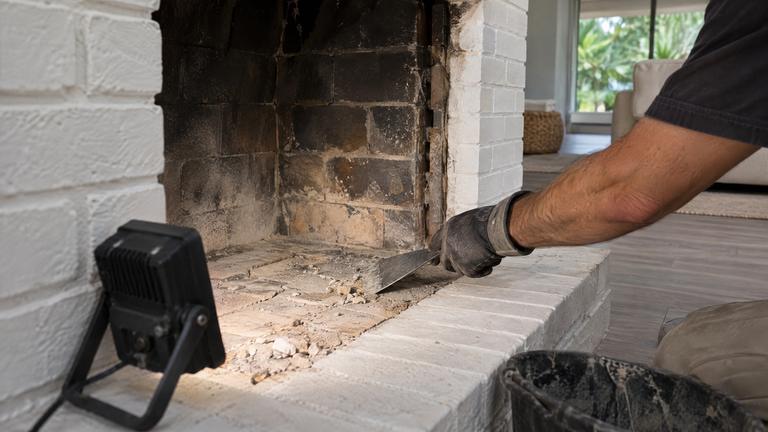
Odor can outlast the animal because nest material, droppings and fluids soak into debris on the smoke shelf and firebox floor. Taking the animal out is only part of the job. We remove the soiled material, clean the surfaces we can reach and check the flue for anything left above. If odor remains after cleanup, we look again rather than covering it with a fragrance. Warm weather can make a lingering odor stronger, so tell us if it returns after a few days.
Openings near the chimney into the attic
Animals that appear to be in the chimney are sometimes in the attic beside it, having entered through a gap in the soffit, fascia or roof near the chimney. We check the chimney top, flue and chase first. If the evidence points into the attic instead, we tell you so and suggest the right professional, since attic exclusion is outside chimney work. If both spaces are involved, we explain which openings belong to the chimney and which do not.
Why the cap goes on last
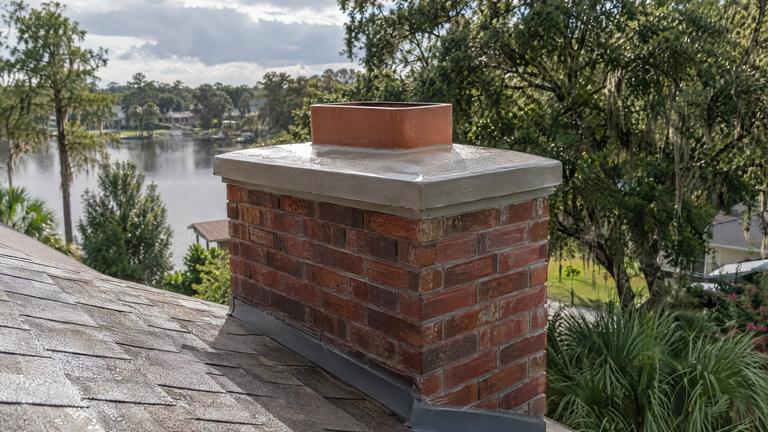
Capping a chimney with an animal still inside traps it, and a trapped animal dies in the flue or tears at the cap. That is why the cap is always the last step. We confirm the chimney is empty by inspection and by the history of sounds, and for protected birds and bats we wait for the lawful window. Then the flue is cleaned and the cap is fitted. If you need the chimney closed sooner, we explain what can be done lawfully in the meantime, such as sealing the damper.
Other work in Conway
-
-
-
-
-
-


Chimney animal questions from Conway
Is it legal to catch the animal and let it go elsewhere?
Florida's rule on nuisance wildlife, F.A.C. 68A-9.010, lets a property owner, or someone the owner authorizes, remove nuisance wildlife only by permitted methods, and it limits where a live-caught animal can be released. Bats and nesting birds come with separate limits, so we bring in a wildlife specialist when one is needed.
Do squirrels and raccoons fall under the same rules as bats?
No. Bats have a maternity season when exclusion is not allowed, and chimney swifts are protected while nesting. Other nuisance wildlife falls under Florida's general nuisance wildlife rule, which still limits the methods used and where a live animal may be released.
Request your free estimate
Share the job details and arrange a free inspection with our local team.
- Free inspection
- No hidden fees
- Family owned and operated
Need an answer now? Call (352) 675-6376
Your request is received
Thank you. We will contact you to discuss the job and confirm an appointment.