
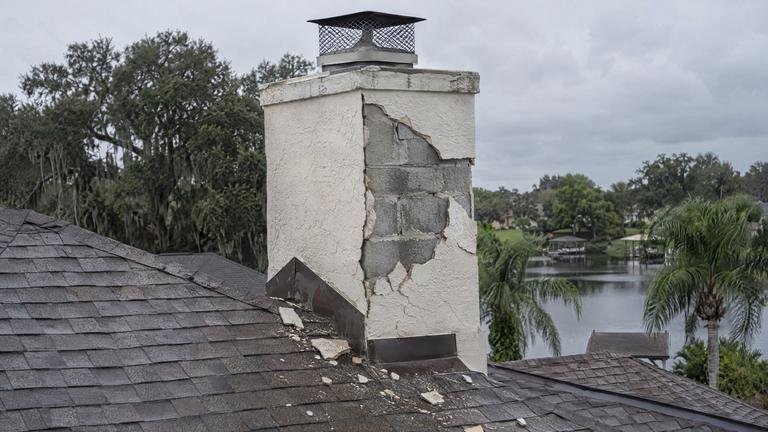
Your local chimney mason for repairs in Countryside
We read the crack pattern first, then repair what it calls for. Book in Countryside within 72 hours after the free inspection and take 10% off.
- Licensed & insured
- Locally run
- Family owned and operated
- Same-day service available



The written masonry scope for your Countryside home
Your masonry scope in Countryside starts here, drawn from sound brick to sound brick.
- Joint condition and depth of deterioration
- Joint profile matched to the original
- Crown, cap and flashing findings on separate lines
- Stucco, stone or historic work referred separately
Brick and mortar facts our masons share in Countryside
Notes from our Countryside masonry crew, tied to brick industry guidance and the code.
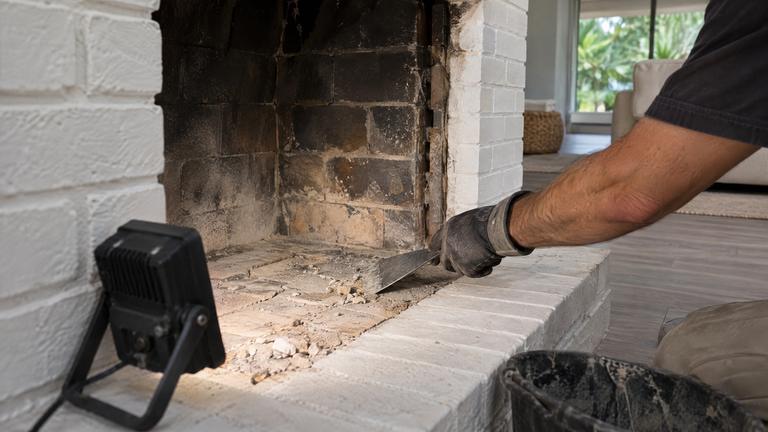
How deep old mortar has to come out
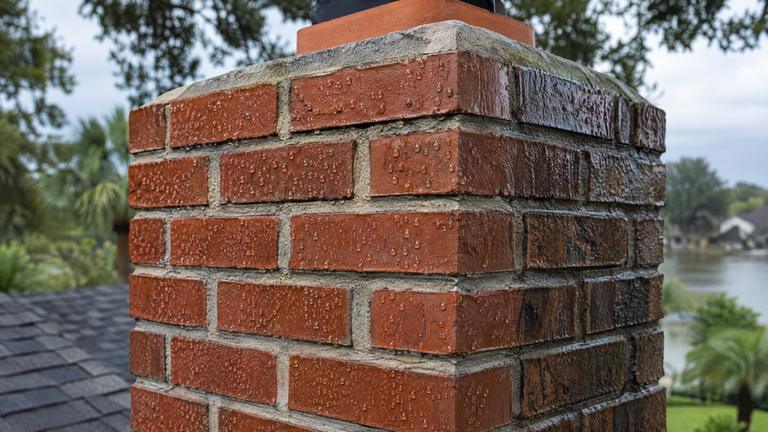
Deteriorated mortar should be removed, per Technical Note 46, to a uniform depth of no less than twice the joint width, which usually works out to about three quarters of an inch, or until sound mortar is reached.
Shallow work is the usual reason a repointed joint pops out again. New mortar laid over a skim of old material has little to grip. We cut to the depth the guidance calls for, clean the joint and only then start filling it.
Repair mortar no stronger than the original
To avoid irreparable brick damage, Technical Note 46 says the compressive strength of repointing mortar must be equal to or lower than that of the original mortar. Stronger mortar concentrates stress at the brick and mortar interface and can spall the brick face.
That is why we never reach for the hardest mix available. The mortar we propose is chosen for your existing brick and joints, and its type is written into your estimate. On many chimneys, that points to a softer mix than people expect, and we explain the reasoning in plain terms.
Corbeled masonry at steps and shoulders
Where a chimney steps out from a wall or changes width, the masonry is corbeled, each course projecting a little past the one below. Section R1003.5 of the residential code limits how far a masonry chimney may be corbeled from a wall or foundation.
Cracks often show at those steps because the masonry changes shape there. We inspect them closely, and where a corbeled section is rebuilt, it is laid back within the code's limits rather than extended. Where cracks at a corbel come from movement rather than wear, we treat them as a structural question first.
Loose courses at the top of the chimney
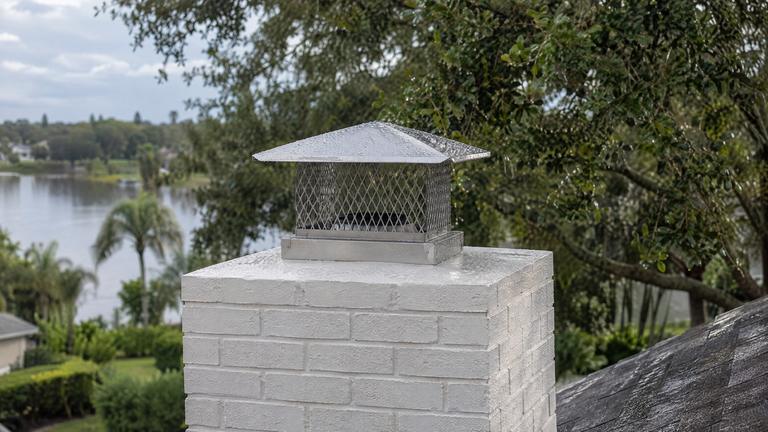
The top courses of a chimney take the brunt of the weather and carry little weight above them to hold them in place. When their joints fail, bricks can loosen and fall.
If you see loose brick at the top, keep people and vehicles clear of the area below, and do not climb up to check. We inspect from a safe access point, remove material that could fall, and then plan the repair or rebuild of that section.
Other work in Countryside
-
-
-
-
-


Related chimney masonry work


Chimney masonry questions from Countryside
Our family-owned crew in Countryside answers what homeowners ask about chimney brick.
How long does a chimney masonry repair take?
It depends on the size of the repair, the access and the weather. Small repairs can be finished quickly, while larger sections take longer because fresh mortar needs time to cure between stages. Your estimate gives the expected schedule.
Is the masonry inspection really free in Countryside?
Yes, with no charge and no obligation. We look at the brick and mortar at your Countryside home and leave you the findings and a written estimate.
Request your free estimate
Share the job details and arrange a free inspection with our local team.
- Free inspection
- No hidden fees
- Family owned and operated
Need an answer now? Call (352) 675-6376
Your request is received
Thank you. We will contact you to discuss the job and confirm an appointment.